Jacksonville, FL · Duval County
College & University Damage Restoration in Jacksonville, FLAthletic Facility Flood Cleanup & University Lab Water Damage Cleanup
College & University Damage Restoration for Jacksonville includes campus flood water extraction, university lab water damage cleanup, and athletic facility flood cleanup.
Answered 24/7
Professional College & University Damage Restoration in Jacksonville, FL
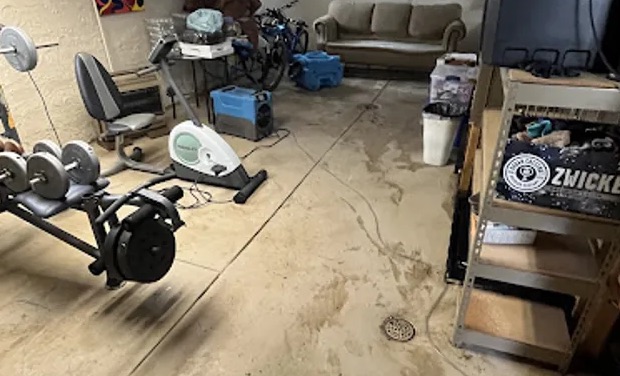
Campus emergency water extraction and athletic facility flood cleanup are vital for universities in Jacksonville to resume sports and recreation programs. Water intrusion in these spaces can damage specialized flooring and equipment.
Campus water damage in Jacksonville, from dorm leaks to lab floods, needs careful extraction and drying around sensitive equipment. Local university water extraction experts also handle sewage backups and serve Grand Crossing, Bellair-Meadowbrook Terrace and Orange Park.
Specialized Campus Restoration Services in Jacksonville
Athletic Facility Flood Cleanup
Athletic facility flood cleanup involves extracting water from large, open spaces with complex flooring systems. Moisture in walls and under fixed seating is dried too.
University Lab Water Damage Cleanup
Laboratory water damage cleanup focuses on minimizing downtime for critical research. The process includes water removal and creating a controlled drying environment for expensive, delicate apparatus.
Campus Library Drying Services
Water damage in a campus library threatens books, archives, and historic collections. Professional drying services use controlled temperature and humidity to slowly dry materials and prevent mold warping.
Dormitory Sewage Cleanup
For dormitory sewage incidents in Jacksonville, cleanup focuses on removing hazardous waste and restoring sanitary conditions. Living spaces must meet health standards before residents return.
Campus Flood Water Extraction
Fast water extraction from flooded campus buildings helps protect expensive equipment and building materials. The pros prioritize removal to secure sensitive electronics and academic resources.
Indicators of Campus Damage Requiring Restoration
Soot Residue After a Small Fire
Even minor fires leave corrosive soot on surfaces, equipment and ductwork in campus buildings.
Puddles Around Laboratory Sinks
Standing water near lab equipment needs cleanup to protect instruments and samples.
Visible Mold on Drywall or Carpet
Any mold growth in classrooms, dorms or labs needs a professional assessment before people use the space.
Ceiling Tiles Sagging or Stained
Stained ceiling tiles often mean hidden water collecting in the plenum space above the classroom or office.
How College & University Damage Restoration Works in Jacksonville
Step 1: Emergency Water Extraction
The experts begin with rapid campus emergency water extraction, using truck-mounted pumps to remove bulk water from affected floors and rooms.
Step 2: Structural Drying and Dehumidification
Industrial air movers and dehumidifiers are placed strategically to achieve college building drying services, protecting walls and flooring.
Step 3: Content Cleaning and Sanitization
Furniture, equipment, and belongings are cleaned with antimicrobial solutions, a critical phase in university property damage restoration.
Step 4: Final Verification and Documentation
Moisture meters confirm dryness, and detailed reports with photos are prepared for your insurance claim review.
Reasons Campus Buildings Require College & University Damage Restoration
Appliance Malfunctions in Campus Kitchens
Faulty dishwashers or ice machines leak, leading to localized university lab water damage in food service areas.
Roof Leaks During Heavy Storms
Damaged or aging roofing on academic buildings lets water into ceilings and walls.
Foundation Cracks and Water Seepage
Hydrostatic pressure forces groundwater through cracks, damaging lower-level labs and libraries, a job for higher education facility restoration.
Construction Defects in New Additions
Poor sealing or worn flashing around windows and roofs leads to chronic leaks.
College & University Damage Restoration for Student Housing and Academic Buildings
College & University Damage Restoration for Homeowners
In fraternity or sorority houses, the pros perform targeted drying and cleaning. They focus on containing damage in shared living spaces and bedrooms to protect personal property.
College & University Damage Restoration for Owners and Facility Managers
The pros tackle mold in damp areas like locker rooms and pool decks. Their focus is on air quality and structural integrity for public safety.
College & University Damage Restoration vs. DIY: When to Call University Water Extraction Experts
Following a small kitchen fire in a campus apartment, you can clean soot from hard surfaces like counters with appropriate cleaners. For any fire affecting electrical systems, causing extensive soot coverage, or lingering heavy odors, reach out to the pros.
What Influences College & University Damage Restoration Costs in Jacksonville
When estimating campus sewage backup cleanup, the cost factors include the category of the contaminated water and the extensive sanitization required for dormitory living spaces. The repair of damaged flooring and drywall in common areas also contributes to the overall restoration investment.
Building Accessibility
Damage in high-rise student housing or secured research labs may require more complex setup for equipment, influencing the time and effort needed.
Type of Contaminant
Clean water from a broken pipe is less costly to extract and dry than Category 3 sewage backup, which requires intensive disinfection and safe disposal.
Required Drying Time
The duration needed for structural drying in massive spaces like athletic facilities dictates how long industrial-grade equipment must remain on site.
Does Insurance Cover College & University Damage Restoration?
Insurance coverage for college and university damage restoration depends entirely on the specific policy held by the institution. The decision on what is covered belongs to the university's insurer, so confirm all details with them directly before proceeding with work.
Benefits of Local Experts for Campus Restoration
Specialized Facility Knowledge
Pros understand the complex HVAC and plumbing systems common in college buildings, aiding in efficient water damage repair and drying.
Containment Protocols
For student housing mold remediation or lab cleanups, pros establish containment to prevent cross-contamination to other areas of the building.
Odor Removal Techniques
After a sewage backup or fire, pros use specialized equipment like ozone generators or hydroxyl machines to address persistent odors in dormitories.
24/7 College & University Damage Restoration for Jacksonville Universities
After a fire in an academic building, smoke and water damage need immediate attention. Call (904) 526-8330 to reach the pros for a 24/7 emergency response.
Call Now (904) 526-8330College & University Damage Restoration for Higher-Ed Institutions in the Region
The pros offer university lab water damage and other key services for Jacksonville and locales like Grand Crossing, Bellair-Meadowbrook Terrace and Orange Park.
Your College & University Damage Restoration Questions Resolved
Can lecture hall fire restoration remove smoke odor?
Yes, after cleaning surfaces, pros use techniques like thermal fogging or ozone treatment to neutralize odor molecules trapped in upholstery, carpets, and building materials.
Why use college building drying services after a leak?
Professional drying reaches moisture deep inside walls and subfloors, which simple air drying misses.
What does university property damage restoration include?
It encompasses the full sequence from emergency water extraction and drying to cleaning, sanitization, and repair for all types of damage across campus facilities.
What causes mold in student housing?
Mold grows from persistent moisture, often due to hidden leaks, condensation, or previous water damage that was not dried, creating a need for remediation.
What is the goal of university flood restoration?
The aim is to extract the water, dry the structure and repair or replace damaged building materials so the building can reopen.