Jacksonville, FL · Duval County
Factory Damage Restoration in Jacksonville, FLFactory Storm Damage Water Removal & Factory Flood Water Extraction
Factory Damage Restoration in Jacksonville relies on factory flood water extraction, industrial sewage backup cleanup, and factory storm damage water removal.
Answered 24/7
Expert Factory Damage Restoration in Jacksonville, Florida
Factory fire damage restoration tackles complex soot and water residue from firefighting efforts. Water used to extinguish flames can cause as much damage as the fire itself. Corrosive soot residues can rapidly degrade metal surfaces and electronic components. A dual focus on soot cleaning and water cleanup is required for full recovery.
Factory Damage Restoration in Jacksonville includes flood water extraction and drying to limit damage. Local water damage pros also work in nearby places like Grand Crossing, Bellair-Meadowbrook Terrace and Orange Park.
Factory Damage Restoration Solutions in Jacksonville
Factory Storm Damage Water Removal
Storm water coming through damaged roofing or walls threatens electrical systems and inventory. The initial step in storm damage factory repair is often securing the building envelope, followed by extraction of the intruded water.
Factory Flood Water Extraction
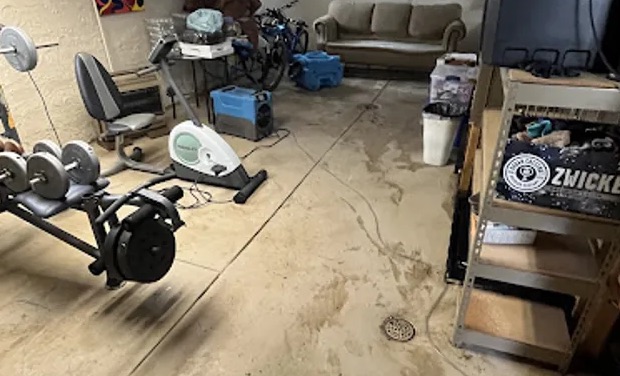
Extracting flood water protects sensitive inventory. The experts assess the water category and use appropriate methods to restore dry conditions to the concrete slab.
Industrial Mold Remediation Services
Factory mold removal often addresses mold on walls, within HVAC ductwork, or on stored materials. HEPA filtration and negative air machines are typically employed during remediation to contain spores and prevent their dispersal into other areas.
Factory Fire Damage Water Cleanup
After a factory fire, the water used for suppression creates secondary damage, often collecting in equipment pits and low points. Removing the water quickly limits corrosion on metal surfaces and mold growth.
Factory Moisture Inspection
Inspecting for moisture in a factory requires understanding industrial construction. The experts scan large areas systematically to identify intrusion sources and condensation.
Warning Signs You Need Factory Damage Restoration
Fire Damage Soot and Water
After a factory fire, water used to fight it causes secondary damage. Factory fire damage restoration addresses both issues.
Sewage Odor in the Facility
A sewage backup smell indicates a serious health hazard. Industrial sewage backup cleanup is needed to sanitize the area.
Soggy Insulation in Walls
Wet insulation loses its thermal value and can foster mold. Industrial property restoration involves removing and replacing it.
Buckled Warehouse Flooring
Concrete slab buckling is a major sign of severe water damage. Commercial disaster recovery plans must include foundation assessment.
How Factory Damage Restoration Works in Jacksonville
Step 1: Emergency Factory Water Extraction
The pros are available 24/7 to remove standing flood water and sewage. Industrial pumps and extractors are used for fast water removal.
Step 2: Industrial Moisture Mapping
Using moisture meters, pros create a map of damp areas in walls and floors. This guides the commercial building drying services plan for your facility.
Step 3: Commercial Drying and Dehumidification
Industrial air movers and dehumidifiers are placed to dry the structure thoroughly. This prevents mold and warping.
Step 4: Factory Sanitization and Cleaning
Affected surfaces are cleaned and sanitized, especially after sewage or mold. This completes the industrial property restoration for a safe work environment.
What Causes Factory Damage in Jacksonville
Foundation Cracks and Seepage
Hydrostatic pressure can push groundwater through cracks in the factory slab. Industrial building drying is needed to stabilize the foundation environment.
HVAC Condensation Drain Blockages
Clogged condensation drains from industrial cooling systems can overflow. This hidden moisture leads to mold and needs commercial moisture inspection.
Storm Damage to Exterior Walls
Flying debris can breach walls or windows during severe weather. Storm damage factory repair seals the building and removes entered water.
Fire Suppression System Activation
Sprinklers putting out a fire leave behind significant water. Factory fire damage water cleanup handles both soot and moisture removal.
Industrial and Commercial Factory Damage Restoration in Jacksonville
Factory Damage Restoration for Homeowners
Residential storm damage often involves roof leaks around shingles or window leaks from driven rain. The pros perform water extraction and structural drying in these areas to prevent long-term issues like rot or mold within the house's framing.
Factory Damage Restoration for Owners and Facility Managers
Commercial storm damage can compromise large sections of roofing membrane or metal siding on a factory. Storm damage factory repair involves stabilizing the structure and performing extensive water removal to protect inventory, equipment, and the capital investment from further degradation.
Factory Damage Restoration vs. DIY: When to Call Factory Restoration Experts
A property owner can document damaged inventory and assets for their own records, listing items and their condition. Cleanup, drying and sanitizing at industrial scale need commercial extractors and air movers and industry drying standards.
Factors in Factory Damage Restoration Cost in Jacksonville
The extent of commercial water removal required, from surface extraction to deep structural drying, determines the equipment deployment and duration, which impacts the final service cost in Florida.
Secondary Damage
Mold growth from delayed response or hidden moisture from a factory storm damage water removal job requires additional remediation.
Affected Square Footage
Larger factory floors and warehouse spaces need more drying equipment and more labor hours.
Structural Complexity
High ceilings, mezzanines, or concrete subfloors in factories can complicate factory leak water extraction and moisture inspection.
Does Insurance Cover Factory Damage Restoration?
Insurance coverage for factory damage restoration depends entirely on the specific policy terms and the cause of loss. The experts document all damage with photos and moisture readings to support the property owner's claim. The property owner should submit this documentation to their insurer, as coverage decisions belong to the insurance company.
Why Select Local Pros for Factory Damage Restoration in Jacksonville
Moisture Verification
Thermal imaging and moisture probes confirm the building and its floors are fully dry.
Commercial Disaster Recovery
The process is geared toward restoring operational continuity for your factory, minimizing business interruption from water, mold, or fire events.
Fire Damage Expertise
Factory fire damage restoration addresses both soot residues and secondary water damage from firefighting efforts in an integrated approach.
24/7 Factory Damage Restoration in Jacksonville
Emergency factory damage restoration is available around the clock. For active water intrusion from any source, calling (904) 526-8330 is the typical way to reach the experts for help.
Call Now (904) 526-8330Areas Served for Factory Damage Restoration Near Jacksonville
Industrial facilities throughout Jacksonville and nearby towns such as Grand Crossing, Bellair-Meadowbrook Terrace and Orange Park have access to specialized factory damage restoration. Key services include sewage backup cleanup, storm water removal and fire damage cleanup.
Factory Damage Restoration Common Questions
How is factory fire damage restoration different?
It addresses both fire residues like soot and secondary water damage from suppression efforts. Removing the water from firefighting is part of the restoration.
What are the risks of delayed factory flood cleanup?
Delays increase risks of mold growth, metal corrosion, electrical hazards, and structural weakening. Fast commercial water removal limits secondary damage and business interruption.
Does factory fire damage restoration include odor removal?
Yes, deodorization techniques are part of the process to address persistent smoke odors after the fire damage and water cleanup phases are complete.
What is the process for factory leak water extraction?
It starts with stopping the water source, then extracting standing water, followed by targeted drying of affected materials and areas to prevent further damage.
How is water category determined in factory flood cleanup?
Water is categorized by its contamination source, from clean Category 1 to hazardous Category 3 sewage. This dictates the safety and cleanup protocols required.