Jacksonville, FL · Duval County
Hospital Damage Restoration in Jacksonville, FLHospital Mold Remediation & Hospital Water Damage Cleanup
Hospital Damage Restoration for Jacksonville covers hospital mold remediation, hospital fire damage restoration and hospital water damage cleanup.
Answered 24/7
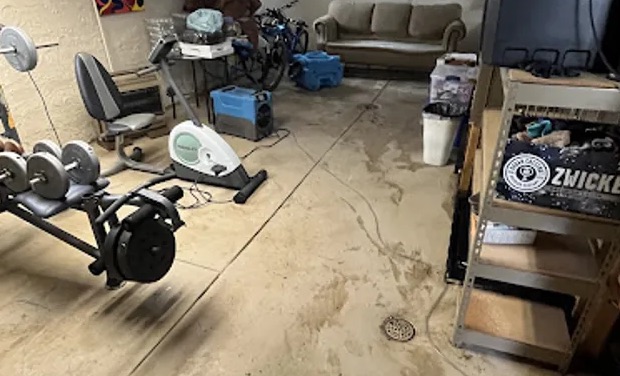
Trusted Hospital Damage Restoration Services in Jacksonville, Florida
Hospital property restoration in Jacksonville is not just about fixing buildings; it's about safeguarding public health. Fires, floods and storms can bring in contaminants and damage air handling systems.
In Jacksonville and communities like Grand Crossing, Bellair-Meadowbrook Terrace and Orange Park, hospital water damage or mold growth requires immediate professional attention. Local extraction and mold remediation pros remove water and mold. Their work focuses on restoring a safe environment and protecting valuable medical assets. They apply industry-standard techniques and provide detailed reports, including moisture readings.
Hospital Damage Restoration Solutions for Jacksonville Hospitals
Hospital Mold Remediation
Hospital mold remediation identifies and removes mold growth often resulting from hidden moisture. Affected materials are cleaned or removed. The pros in Jacksonville use IICRC-standard methods.
Hospital Water Damage Cleanup
Water damage in sterile hospital environments requires cleanup to prevent contamination. The focus is on extracting water and thoroughly drying affected zones. This protects the building and its contents.
Hospital Fire Damage Restoration
Hospital fire damage restoration focuses on soot removal and deodorization. Water from fire hoses must also be extracted to prevent mold. The service works to salvage equipment and infrastructure.
Hospital Biohazard Cleanup
Biohazard cleanup in a hospital means decontaminating every surface. Biohazardous material is safely contained and disposed of per regulations. It keeps the environment sterile.
Hospital Storm Damage Restoration
Storms can damage a hospital's critical systems. Restoration involves assessing structural integrity, boarding up openings, and initiating water removal. The pros are equipped for these large-scale projects.
When to Consider Hospital Damage Restoration for Your Jacksonville Facility
Persistent Musty or Sewage Odors
A lingering musty smell often points to mold, while sewage odors indicate a backup. The pros can identify and resolve the source.
Storm Damage to Roof or Exterior
Missing roof tiles, broken windows, or damaged siding from a storm allow water entry. Hospital storm damage repair seals the building envelope.
Electrical Malfunctions After Flooding
Sparking outlets or tripped breakers in damp areas are dangerous. Hospital damage repair includes assessing and safely restoring electrical systems.
Biohazard Spills or Contamination
Spills involving blood or other bodily fluids require specialized decontamination. Hospital biohazard cleanup follows strict protocols for safety.
How Hospital Damage Restoration Works in Jacksonville
Step 1: Initial Inspection and Scope
The pros perform a detailed inspection, using thermal imaging to find hidden moisture. They scope the project and discuss the plan with you.
Step 2: Contaminated Water Removal
If the water is contaminated, as in sewage backups, it is removed with caution. Hospital sewage cleanup involves safe extraction and disposal following health guidelines.
Step 3: Antimicrobial Application and Drying
After extraction, antimicrobial agents are applied to inhibit mold. Then, a focused drying strategy using dehumidifiers stabilizes the environment.
Step 4: Documentation for Insurance
Throughout the process, pros document the damage and repairs with photos and logs. This paperwork supports your insurance claim for hospital property restoration.
Typical Origins of Hospital Water Damage and Flooding
Severe Weather and Flash Flooding
Heavy rain, wind-driven rain and flooding can overwhelm drainage and get into the building.
Roof Leaks and Compromised Sealants
Aging roofing materials or failed seals around vents and skylights allow water to seep into the facility, leading to ceiling damage and mold.
Construction Defects and Poor Drainage
Poorly sloped surfaces or missing waterproofing from construction can cause ongoing moisture problems.
Sewer Line Backups and Blockages
Sewer overflows or line blockages can push contaminated water into the building.
Healthcare Hospital Damage Restoration Services in Jacksonville
Hospital Damage Restoration for Homeowners
Residential fire damage leaves behind pervasive soot and odor that penetutes upholstery and HVAC ducts. Water used to extinguish the blaze adds to the destruction, soaking insulation and framing.
Hospital Damage Restoration for Owners and Facility Managers
Commercial mold infestations in office buildings can spread through ventilation systems, affecting air quality and employee health. The pros contain the affected area, remove contaminated materials, and restore proper humidity control to the workspace.
Why DIY Falls Short for Hospital Damage Restoration in Jacksonville
You can document the damage for your insurance claim by taking clear photographs and videos of all affected areas and items. Make a list of damaged property. The pros will also provide detailed documentation, including moisture readings, to support your claim.
Considering the Cost of Hospital Damage Restoration in Jacksonville, Florida
Cost for hospital damage restoration in Jacksonville depends on the type of damage, the need for expedited services to maintain hospital operations, and the complexity of decontamination procedures.
Equipment Needs
The type and quantity of industrial-grade drying, air-scrubbing, and extraction equipment deployed impacts the cost.
Emergency Response
Mobilizing resources for 24/7 help to contain damage quickly can affect the initial service cost.
Project Duration
The time required to complete restoration while maintaining or restoring partial hospital function influences pricing.
Does Insurance Cover Hospital Damage Restoration?
The experts document all damage with photos and moisture readings for a property owner's claim, but the insurer makes all coverage decisions. Homeowners should review their policy and speak directly with their adjuster.
The Value of Local Hospital Restoration Experts for Hospital Damage Restoration in Jacksonville
Biohazard Handling Expertise
Proper protocols for handling and disposing of regulated medical waste and contaminated materials are followed.
Minimized Operational Disruption
The restoration plan keeps critical services running or restores them as quickly as possible.
IICRC-Standard Protocols
Restoration follows industry standards for drying, cleaning and infection control in medical buildings.
Emergency Hospital Damage Restoration in Jacksonville
A flood or sewage backup can shut down critical operations. Get 24/7 emergency hospital water extraction and biohazard cleanup by calling (904) 526-8330. The experts in Jacksonville are on standby for help.
Call Now (904) 526-8330Local Hospital Damage Restoration Coverage for Jacksonville, FL
Hospital water damage cleanup is available in Jacksonville, Florida, and for facilities in Grand Crossing, Bellair-Meadowbrook Terrace and Orange Park.
Hospital Damage Restoration FAQs for Jacksonville Hospitals
How is hospital indoor air quality protected during restoration?
HEPA-filtered air scrubbers run continuously inside containment areas to capture airborne particles and spores, preventing their spread through the ventilation system.
How is odor removed after hospital fire damage?
Specialized thermal fogging, ozone treatment, or air scrubbing techniques are used to neutralize smoke odor particles trapped in porous materials and the HVAC system.
What happens to damaged materials during hospital restoration?
Non-salvageable items, especially porous materials like drywall or insulation, are carefully removed and disposed of according to local regulations for waste.
What causes mold in hospitals?
Persistent high humidity, chronic leaks, or previous water events that were not dried thoroughly can lead to mold growth behind walls or under floors.
What are the steps for hospital fire damage restoration?
Steps include soot and odor removal from all surfaces, cleaning of HVAC systems, and repair of structural elements affected by heat, smoke, or water used for firefighting.