Jacksonville, FL · Duval County
Museum Damage Restoration in Jacksonville, FLMuseum Artifact Salvage & Exhibit Fire Damage Cleanup
Museum Damage Restoration in Jacksonville includes sewage backup cleanup, museum artifact salvage, and HVAC system water damage restoration.
Answered 24/7
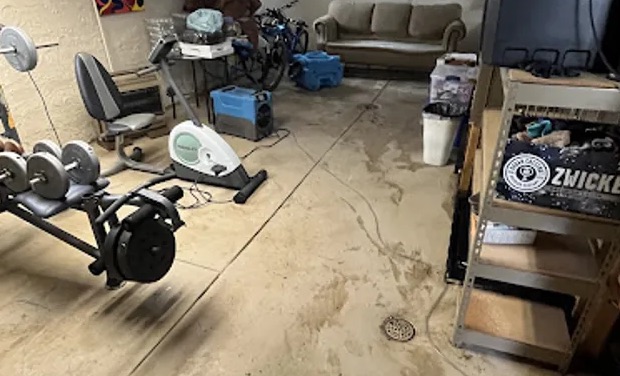
Professional Museum Damage Restoration in Jacksonville, FL
For museums in Jacksonville, damage restoration involves protecting vulnerable items from sewage, storm, or fire damage. These disasters require immediate attention to prevent mold growth and structural issues that could close exhibits indefinitely.
For museums in Jacksonville and nearby Grand Crossing, Bellair-Meadowbrook Terrace and Orange Park, Museum Damage Restoration covers HVAC water damage and artifact salvage. Small incidents and large losses in Jacksonville both begin with the same careful inspection of the affected space.
Key Museum Damage Restoration Processes in Jacksonville
Museum Artifact Salvage
Local collection recovery experts in Jacksonville provide secure pack-out services. It organizes the recovery and keeps artifacts away from damaging conditions on site.
Exhibit Fire Damage Cleanup
Exhibit fire damage cleanup removes soot, smoke residue and firefighting water from displays and artifacts, using gentle cleaners that do not harm sensitive surfaces.
Storm Damage Structural Drying
Structural drying protects the building envelope, which is often historic itself. Moisture is removed with as little demolition of original materials as possible.
Museum Mold Remediation
Mold in a museum setting is a serious threat to organic collections like textiles, leather, and paper.
HVAC System Water Damage Restoration
Climate control recovery restores the exact temperature and humidity collections need. This involves drying, cleaning, and recalibrating HVAC units and environmental monitoring equipment.
When to Call for Emergency Museum Damage Restoration in Jacksonville
Water Stains on Historic Artifacts
Stains or color changes on paintings, sculptures or textiles mean water has reached them and they need care right away.
Soot Deposits After a Small Fire
Fine black dust on artifacts after a fire is soot, which needs careful cleaning to avoid staining.
Pooled Water in Collection Storage
Standing water near artifact storage is an emergency. Fast water extraction for art collections prevents irreversible harm.
Visible Mold on Display Cases
Fuzzy mold inside climate-controlled display cases means humidity is too high and the case needs drying and checking.
How Museum Damage Restoration Works in Jacksonville
Step 1: Emergency Assessment and Stabilization
Local museum damage pros secure the site and assess damage to artifacts and structure. They document conditions with photos and moisture readings for insurance.
Step 2: Historic Artifact Water Extraction
Pros remove standing water from around art collections first, using extraction tools that keep water away from sensitive materials.
Step 3: Museum Climate Control Restoration
Pros deploy industrial dehumidifiers and air movers to restore proper humidity and temperature. This dries archival materials and prevents mold.
Step 4: Cultural Property Damage Recovery
The final phase involves cleaning, sanitizing, and documenting salvageable items. The pros coordinate museum artifact salvage and pack-out if off-site restoration is needed.
Common Causes of Museum Damage in Jacksonville
Fire Suppression System Discharge
Accidental sprinkler activation or firefighting efforts soak collections. Exhibit fire damage cleanup addresses both water and soot residues.
Roof Leaks During Heavy Rain
Old roofing or storm damage can let water drip onto exhibits and stored collections.
HVAC Condensation Line Failures
Clogged or broken drain lines can leak water into walls, where hidden moisture leads to mold.
Natural Disaster Flooding
Rising rivers or streams after heavy rain can flood ground-floor galleries and storage rooms.
Museum Damage Restoration for All Institutions in Jacksonville
Water Damage Help for Homes
A collector's climate-controlled display room is as sensitive as a museum gallery. A malfunctioning humidifier or small fire requires professional intervention.
Museum Damage Restoration for Owners and Managers
Public galleries in Jacksonville must manage risks from daily visitor traffic and building systems. The pros follow strict protocols for cultural property damage recovery.
Why DIY Museum Damage Restoration Fails and Local Pros Succeed
If you suspect mold growth on a non-porous surface away from collections, you can clean it with a detergent solution. For any mold on or near artifacts, display cases, or archival boxes, do not disturb it. Disturbance spreads spores. Museum mold remediation requires containment and professional removal.
What Affects Museum Damage Restoration Cost in Jacksonville
In Jacksonville, the cost for museum damage restoration is influenced by the extent of damage and the specific recovery tasks needed. Services such as archival document drying or exhibit fire cleanup involve distinct procedures and resource requirements.
Contamination Level
Sewage backup cleanup requires rigorous biocontainment and disinfectant protocols not needed for clean water leaks, affecting safety procedures and material costs.
Type of Damaged Materials
Drying waterlogged paintings takes different methods from drying soaked textiles, which changes the labor and equipment needed.
HVAC System Involvement
Restoring climate control after water damage often requires cleaning ductwork and servicing units, adding to the overall scope of the drying project.
Does Insurance Cover Museum Damage Restoration?
Sewage backup cleanup in museums may or may not be covered. The pros provide the necessary documentation of contamination and damage. You should submit this to your insurer and discuss your policy's provisions for such emergencies.
Benefits of Local Pros for Museum Damage Restoration in Jacksonville
HVAC Decontamination
Systems are cleaned to protect air quality. HVAC system water damage restoration helps prevent mold circulation after a flood or sewage event.
Specialized Artifact Handling
Processes are designed for delicate items. This careful approach is central to museum artifact salvage and preventing further damage during the pack-out phase.
Structural Drying Expertise
Focus is on drying building materials properly. Storm damage structural drying protects the museum's infrastructure from long-term weakness and decay.
Emergency Museum Disaster Response in Jacksonville
Mold or sewage needs prompt containment. To start museum mold remediation or sewage cleanup and protect your exhibits, call the pros in Jacksonville for 24/7 emergency service at (904) 526-8330.
Call Now (904) 526-8330Local Museum Damage Restoration for Jacksonville, Grand Crossing, Bellair-Meadowbrook Terrace and Orange Park
In Jacksonville, institutions can get help with everything from sewage cleanup to structural drying. Service also covers the wider area, including Grand Crossing, Bellair-Meadowbrook Terrace and Orange Park.
Museum Damage Restoration Information: Your Questions
What does museum artifact salvage and pack-out entail?
It involves carefully inventorying, stabilizing, and packing damaged items for secure transport to a controlled off-site facility for further restoration and drying, prioritizing fragile pieces.
What happens during the museum artifact pack-out process?
Items are documented, given temporary stabilization, carefully wrapped and cushioned, then transported in climate-controlled vehicles to a secure facility for assessment and treatment.
Can climate control be restored quickly after a museum flood?
Restoring climate control after water damage comes first. It often follows HVAC cleaning and depends on completing structural drying to prevent new moisture from affecting the system.
What makes museum mold remediation different?
It requires stringent containment to protect unaffected collections and air filtration to capture spores. Methods must be safe for use around historic materials and integrated artifacts.
What is involved in museum damage restoration?
The work involves securing the site, extracting water, drying structures and collections with climate control, cleaning soot or contaminants, and salvaging artifacts using IICRC-standard methods for sensitive materials.