Jacksonville, FL · Duval County
Distribution Center Damage Restoration in Jacksonville, FLEmergency Logistics Building Recovery & Distribution Center Drying Services
Distribution Center Damage Restoration in Jacksonville involves critical restoration like commercial storm damage repair, industrial sewage backup cleanup, and warehouse flood restoration.
Answered 24/7
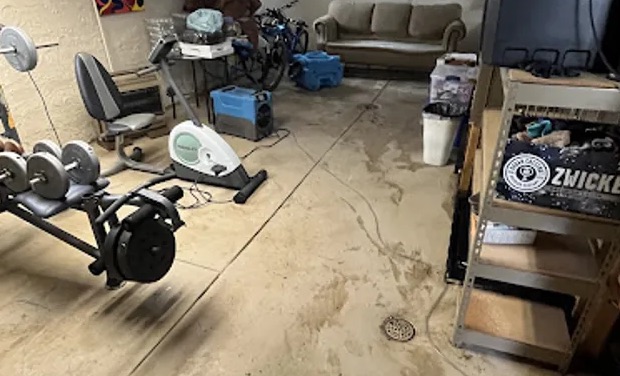
Local Distribution Center Damage Restoration for Jacksonville Distribution Centers
Sewage backups in industrial settings within Jacksonville present serious biohazard risks, contaminating floors and inventory. This requires urgent professional cleanup to address health concerns. Industrial sewage backup cleanup pros employ strict containment and personal protective equipment.
In Jacksonville, severe weather can damage roofing and structure. Local logistics facility recovery experts perform emergency board-ups and water extraction to prevent further loss. Their services support logistics buildings in Jacksonville, plus the broader area, including Grand Crossing, Bellair-Meadowbrook Terrace and Orange Park.
Key Distribution Center Damage Restoration Offerings in Jacksonville
Emergency Logistics Building Recovery
For emergency recovery in Jacksonville, local pros understand the pressure to resume shipping and receiving.
Distribution Center Drying Services
After extraction, drying targets moisture trapped in the structure. Dry readings throughout prevent hidden dampness later.
Commercial Storm Damage Repair
Commercial storm damage repair addresses the unique vulnerabilities of large, single-story facilities. The priority is making the warehouse weather-tight again to protect the goods and equipment inside from further exposure.
Warehouse Flood Restoration
Flood restoration in a Jacksonville warehouse focuses on minimizing total loss. Local pros coordinate the complex drying process to prevent warping of concrete slabs and corrosion of the metal infrastructure essential to logistics operations.
Distribution Center Water Extraction
Immediate water extraction from a distribution center's concrete floors and loading docks prevents long-term operational downtime.
When to Call for Distribution Center Damage Restoration in Jacksonville
High Humidity Readings on Meters
High humidity inside the building threatens stored goods, cardboard packaging and wooden pallets.
Charred Structural Beams or Trusses
Fire-damaged metal or wood in the warehouse ceiling needs professional cleanup and inspection.
Sewage Odors in Restroom Areas
Foul smells from floor drains or toilets warn of a sewage backup.
Smoke Residue on Inventory or Racks
Soot on products or racking needs careful cleaning to avoid spreading it.
How Distribution Center Damage Restoration Works in Jacksonville
Step 1: Damage Assessment and Documentation
Local logistics facility recovery experts conduct an inspection, using moisture meters and cameras to document all damage for an insurance claim, creating a restoration plan.
Step 2: Water Removal and Content Protection
The process begins with aggressive warehouse water damage restoration, extracting water and relocating salvageable inventory to a secure, dry staging area.
Step 3: Structural Drying and Dehumidification
Strategic placement of drying equipment targets moisture in the concrete floor and building materials, a core part of distribution center emergency drying.
Step 4: Soot, Mold, or Contaminant Cleanup
Fire, mold or sewage residue is cleaned so the facility can reopen.
Common Flooding Events for Jacksonville Distribution Centers
Roof Leaks From Storm Damage
High winds, hail, or heavy rain can puncture or tear roofing materials, allowing water into the distribution facility.
Loading Dock Door Seal Failure
Damaged seals on bay doors allow driving rain or floodwater to enter during severe weather events.
Sprinkler System Malfunction
A faulty or accidentally activated fire suppression line can flood vast areas of a warehouse rapidly.
Prolonged High Indoor Humidity
Inadequate ventilation in sealed storage areas can lead to condensation and mold growth on surfaces.
Industrial Distribution Center Damage Restoration Solutions in Jacksonville
Distribution Center Damage Restoration for Homeowners
Sewage backup in a home is a severe health hazard in confined plumbing spaces. Cleanup requires disinfecting affected floors and baseboards to restore sanitary conditions for the residents.
Distribution Center Damage Restoration for Owners and Facility Managers
Industrial sewage backup cleanup in a warehouse deals with large-volume contamination across restrooms, floor drains, and potentially loading areas.
Distribution Center Damage Restoration vs. DIY: When to Call Logistics Facility Recovery Experts
If a sewage backup occurs, you can immediately restrict access to the affected zone to protect employee health. Avoid any contact with the contaminated water and do not use facility drains; industrial sewage backup cleanup requires hazardous waste handling and professional disinfection.
Distribution Center Damage Restoration Cost in Jacksonville, FL
Industrial sewage backup cleanup or warehouse flood restoration cost in Jacksonville is influenced by the contamination level and the necessary demolition of affected building materials. The project timeline to minimize business interruption is another key consideration for the experts.
Required Equipment
Large-scale projects need industrial-grade dehumidifiers, air scrubbers, and extraction units, the deployment of which factors into the overall service cost.
Scale of Damage
The total square footage impacted by water, fire, or mold within your distribution center dictates the scope of work and resource allocation for the restoration project.
Emergency Service Timing
A rapid, 24/7 response to mitigate further damage may involve after-hours labor, impacting the initial phase of the logistics building disaster recovery cost.
Does Insurance Cover Distribution Center Damage Restoration?
Industrial sewage backup cleanup coverage is not standard in many policies and often requires a specific endorsement. The property owner must check their policy wording or speak with their agent to confirm if this backup coverage exists.
Selecting Logistics Facility Recovery Experts for Distribution Center Damage Restoration in Jacksonville
Industrial-Grade Equipment
Powerful truck-mounted extractors, industrial dehumidifiers, and air movers are deployed for efficient moisture removal in vast distribution center spaces.
Content Inventory Management
Your inventory and equipment are documented, cleaned, and stored off-site if needed, to clear the work area and prevent further loss.
Structural Drying Expertise
Moisture in concrete slabs and behind walls is targeted to prevent mold growth.
24/7 Emergency Distribution Center Damage Restoration in Jacksonville, FL
Storm damage to a warehouse roof demands urgent attention. For storm repairs and emergency recovery, call (904) 526-8330. The pros are available 24/7 in Jacksonville.
Call Now (904) 526-8330Distribution Center Damage Restoration Near Jacksonville: Areas Served
The experts in Jacksonville address issues like sewage backups and storm damage for warehouses here and in surrounding communities such as Grand Crossing, Bellair-Meadowbrook Terrace and Orange Park.
Frequently Asked Questions About Distribution Center Damage Restoration
What makes industrial sewage backup different from clean water?
Sewage backup is categorized as grossly contaminated water, requiring aggressive disinfectants and the disposal of most porous materials it contacts, unlike clean water from a broken supply line.
Can mold return after distribution facility mold remediation?
If the underlying moisture source is not repaired, mold can return. Proper remediation addresses the current growth and identifies the cause, but fixing the leak is ultimately the property owner's responsibility.
What equipment is used for warehouse flood restoration?
Submersible pumps, truck-mounted extractors and many air movers and dehumidifiers are used to dry large warehouses.
What kinds of storm damage affect distribution centers?
High winds, hail, or falling debris can damage roofing, siding, windows, and overhead doors, allowing water to enter and disrupt warehouse operations until repairs are completed.
Why is fast response critical for warehouse fire damage?
Soot and smoke acids begin causing corrosion on metal surfaces and electronic equipment within hours. A fast start to cleanup minimizes this secondary damage and can save significant replacement costs.