Jacksonville, FL · Duval County
Manufacturing Facility Damage Restoration in Jacksonville, FLIndustrial Sewage Backup Cleanup & Industrial Fire Damage Cleanup
Manufacturing Facility Damage Restoration for a Jacksonville factory includes industrial fire damage cleanup, manufacturing equipment drying, and industrial sewage backup cleanup.
Answered 24/7
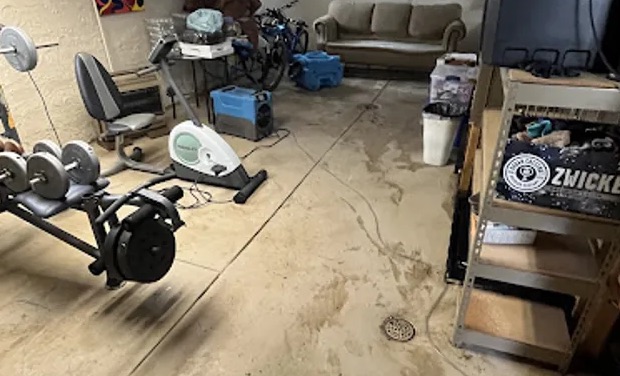
Manufacturing Facility Damage Restoration for Jacksonville Manufacturing Plants
An industrial sewage backup brings hazardous contaminants that can stop production and put workers at risk in Jacksonville facilities. Cleanup includes containment, removal and disinfection, not just water extraction.
Fire and storm cleanup at an industrial site take careful planning. Across Jacksonville, the same step-by-step approach applies to small storefronts and large facilities, from assessment to final checks.
Complete Manufacturing Facility Damage Restoration Services in Jacksonville
Industrial Sewage Backup Cleanup
Dealing with a sewage spill in a plant involves more than just water removal. The cleanup process includes extracting the contaminated liquid, disposing of affected porous materials, and applying disinfectants to all hard surfaces to prevent microbial mold.
Industrial Fire Damage Cleanup
A factory fire creates a complex restoration challenge combining char, water, and chemical residues. Local fire damage pros in Jacksonville assess the damage, board up openings and clean the structure and inventory before repairs.
Manufacturing Plant Mold Remediation
Industrial mold remediation focuses on areas with chronic moisture, like near process cooling lines. The procedure involves removing affected drywall or insulation, thoroughly drying the structure, and applying sealants to create a barrier against moisture recurrence.
Manufacturing Facility Water Extraction
Industrial extractors pull water from concrete slabs and production areas after a plant flood to limit damage to machinery and stock.
Industrial Structural Drying
A methodical plan for structural drying in large plants positions industrial air movers and dehumidifiers. Air movers push air across high ceilings and insulated wall assemblies.
When to Call for Manufacturing Facility Damage Restoration in Jacksonville, FL
High Humidity Readings Inside
High moisture readings in the air of the plant mean the building needs professional drying.
Contaminated Process Water
Discolored or dirty water from taps or process lines points to contamination.
Water Stains on Equipment
Rust marks or discoloration on manufacturing equipment are clear signs of past or ongoing water exposure and potential damage.
Industrial Water Pooling on Floors
Standing water near machinery or in low areas of your manufacturing facility indicates a serious water intrusion issue.
How Manufacturing Facility Damage Restoration Works in Jacksonville
Step 1: Containment and Safety Setup
The work area is secured first to prevent cross-contamination of clean production areas.
Step 2: Factory Water Extraction and Removal
All flood water is pumped out, followed by detailed factory water extraction from hard-to-reach areas under equipment and in sub-floor cavities.
Step 3: Manufacturing Plant Mold Remediation
Any mold is contained and removed so air quality is safe for operations.
Step 4: Final Verification and Drying
Moisture levels are verified to meet dry standards, completing the commercial building water damage repair process and clearing the site for use.
Frequent Industrial Flooding Sources for Manufacturing Facilities
Burst or Leaking Supply Pipes
High-pressure water lines or aged plumbing within an industrial facility can fail, flooding production areas and causing extensive water damage.
Roof Leaks From Storm Damage
Severe weather can breach a manufacturing plant's roof, allowing water to damage inventory, equipment, and the structure itself.
Fire Suppression System Discharge
Accidental sprinkler activation or firefighting efforts soak a facility, combining fire damage cleanup with urgent water extraction needs.
Flooding From Nearby Waterways
Rising rivers or drainage overflows can flood a plant floor and reach equipment and stored materials.
Industrial and Commercial Manufacturing Facility Damage Restoration in Jacksonville
Water Damage Help for Homes
Water damage in a home often involves living spaces and personal belongings, requiring careful content handling and drying to restore normalcy.
Manufacturing Facility Damage Restoration for Owners and Managers
For a manufacturing facility, water damage halts production, risks expensive equipment, and threatens structural integrity. Manufacturing facility water damage restoration prioritizes getting your production line operational with minimal downtime.
Manufacturing Facility Damage Restoration vs. DIY: When to Call Commercial Water Removal Pros
For a small, clean leak, you can move portable equipment away and use a wet-dry vacuum. For process water, sewage, storm water or water near electrical panels, call local pros.
Cost Considerations for Manufacturing Facility Damage Restoration in Jacksonville
Estimating the cost for manufacturing facility damage restoration in Jacksonville involves evaluating the severity. Industrial water damage cleanup costs are shaped by contamination category, square footage impacted, and the materials present.
Damage Severity and Scope
The extent of water, fire, or mold damage throughout your manufacturing plant directly influences the restoration timeline and required resources, impacting overall cost.
Material Removal and Disposal
Costs include the removal and proper disposal of damaged inventory, saturated insulation, ruined drywall, or materials affected during factory fire damage cleanup.
Structural Drying Needs
Thick walls, concrete slabs and dense building materials take longer and more equipment to dry than standard commercial spaces.
Does Insurance Cover Manufacturing Facility Damage Restoration?
For sewage or storm damage, your carrier decides coverage based on the policy wording. Always verify with your insurer what restoration services are included before authorizing major work.
The Value of Local Pros for Manufacturing Facility Damage Restoration in Jacksonville
Manufacturing Equipment Expertise
Drying and checking production equipment quickly helps limit downtime and corrosion on the plant floor.
Comprehensive Service Range
The pros handle everything from water extraction to fire cleanup in one job.
IICRC-Standard Restoration Methods
The pros follow industry standards for water extraction, drying and cleaning in plants.
24/7 Manufacturing Facility Damage Restoration Assistance in Jacksonville, FL
Emergency manufacturing plant mold remediation or fire damage cleanup requires early professional help. Reach the pros at (904) 526-8330 anytime to secure your property and begin recovery.
Call Now (904) 526-8330Manufacturing Facility Damage Restoration Near Jacksonville: Areas Served
For factories and plants in Jacksonville, mitigation limits downtime. Storm restoration and sewage cleanup are available in Jacksonville, Grand Crossing, Bellair-Meadowbrook Terrace and Orange Park.
Manufacturing Facility Damage Restoration Information and FAQs
What is included in manufacturing plant disaster recovery?
Disaster recovery encompasses the full sequence: emergency response, damage mitigation, detailed drying, soot or mold cleanup, reconstruction, and returning the facility to operational status.
Is factory water extraction different from home water removal?
Yes, it requires more powerful equipment for larger volumes, often addresses chemical contaminants, and must consider complex building layouts and sensitive industrial assets.
Can mold grow after manufacturing facility water damage?
Yes, mold can begin growing within 24-48 hours in damp areas. Fast drying and humidity control prevent mold in the plant.
Does manufacturing equipment water damage repair save machinery?
Often yes, if addressed quickly. Pros disassemble, clean, dry, and lubricate components to salvage expensive equipment, avoiding full replacement costs when possible.
Can my factory operate during industrial water damage cleanup?
Affected areas typically cannot operate during active restoration due to safety hazards, equipment, and containment barriers, but pros work to minimize disruption to other sections.