Columbia, FL
Rapid Structural Drying in Columbia, FLEmergency Structural Drying & Wall Cavity Drying
Rapid Structural Drying in Columbia includes emergency structural drying, moisture mapping services, and flood drying services.
Answered 24/7
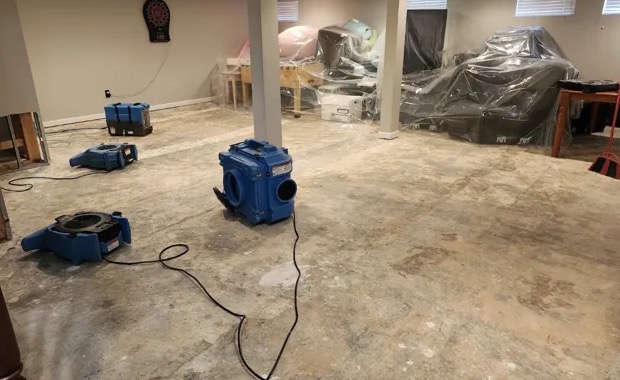
Local Rapid Structural Drying for Columbia Homes and Businesses
Crawl spaces and concrete slabs present unique drying challenges due to limited airflow and dense materials. Moisture trapped in these areas can migrate upward, affecting floors and walls.
In Columbia, emergency drying starts as soon as the water is out. Local restoration pros dry wall cavities and subfloors so the structure is not weakened.
Rapid Structural Drying Methods and Techniques
Emergency Structural Drying
A sudden water event requires a drying protocol. High-capacity dehumidifiers then work to pull moisture from the air and structural components, starting the recovery process.
Wall Cavity Drying
Interior walls can absorb significant moisture from leaks or floods. Wall cavity drying involves accessing the space between studs to direct airflow and desiccant dehumidification.
Crawl Space Drying
Properties in Columbia may have crawl spaces affected by seasonal moisture. The pros seal vapor barriers and run drying equipment until wood moisture content returns to safe levels.
Moisture Mapping Services
Hidden water damage can undermine drying efforts. Moisture mapping services employ thermal imaging cameras and sophisticated meters to detect anomalies behind surfaces.
Subfloor Drying
A soaked subfloor is a priority for structural drying. The process involves moisture mapping to determine the extent of saturation.
Indications for Rapid Structural Drying
Condensation Inside Window Frames
Excessive condensation can lead to wall cavity moisture and rot, a common issue addressed by the pros.
Water Pooling in Crawl Spaces
Standing water under your home puts floor framing at risk and needs pumping and drying.
Recent Plumbing Leak or Flood
Any recent leak or flood can leave water inside walls and floors even after surfaces look dry.
Warped or Bubbling Floorboards
Hardwood floors that buckle or cup have taken on moisture from below, usually from a wet subfloor.
How Rapid Structural Drying Works in Columbia
Step 1: Initial Inspection and Damage Documentation
The pros document all visible damage with photos and initial moisture readings, providing a baseline for the drying protocol and your insurance.
Step 2: Implementation of Structural Drying Plan
A customized drying plan is executed, placing air scrubbers, dehumidifiers, and specialized fans to achieve rapid structural drying in walls and floors.
Step 3: Continuous Moisture Monitoring Process
Pros take readings each day and move equipment as areas dry, so drying keeps moving.
Step 4: Completion of Emergency Structural Drying
Once all materials meet the required dryness standards, the emergency structural drying phase is complete, and equipment is removed from your property.
What Leads to Needing Rapid Structural Drying
Clogged Gutters and Downspouts
When gutters overflow, water pools against the foundation and can seep into crawl spaces, slabs and lower walls.
Severe Weather and Flooding
Heavy rainfall or localized flooding can overwhelm drainage, leading to water intrusion.
Appliance Malfunctions and Leaks
Faulty water heaters, washing machines, or dishwashers can leak slowly, causing hidden damage in walls and floors over time.
Burst Pipes or Plumbing Failures
A burst pipe can release hundreds of gallons, soaking drywall, subfloors and framing well beyond the room where it broke.
Rapid Structural Drying for Homes and Businesses
Residential Rapid Structural Drying
In homes, rapid structural drying targets moisture trapped in walls, under floors, and in crawl spaces after a leak.
Commercial Rapid Structural Drying
For businesses, commercial structural drying minimizes downtime after water damage. The pros focus on large-scale moisture removal from concrete slabs, interior wall cavities, and office subfloors using high-capacity equipment to get operations back to normal.
The Risks of Attempting Rapid Structural Drying Yourself
Pull back baseboards carefully to inspect for hidden water in wall cavities, but do not puncture drywall. This visual check can help assess the extent.
Factors Influencing Rapid Structural Drying Costs
For commercial drying in Columbia, cost depends on how long the business is interrupted and the size of the drying setup.
Affected Structural Materials
Drying dense materials like concrete slabs or enclosed wall cavities demands specialized techniques and longer durations than drying open areas.
Extent of Water Damage
The square footage and depth of saturation in materials like drywall and subflooring directly impact the drying time and equipment needed.
Moisture Mapping Scope
Detailed moisture mapping services to track drying progress across a structure require additional time and diagnostic tools from the pros.
Does Insurance Cover Rapid Structural Drying?
For flood drying services, coverage often requires a separate flood insurance policy. You need to provide this report to your insurance company and follow their specific claims process for water damage.
Reasons to Trust Moisture Removal Experts with Rapid Structural Drying
IICRC-Standard Drying Methods
Drying follows set targets checked with meters, which prevents damage from moisture left behind.
Prevention of Mold Growth
Rapid drying helps control humidity levels, creating an environment less conducive to mold development after water intrusion.
Water Mitigation Drying Expertise
The approach is part of a complete water mitigation process to stabilize the property quickly.
Emergency Moisture Removal for Columbia
After a burst pipe or flood in Columbia, call (904) 526-8330 any time, day or night, so drying can start before materials soak further.
Call Now (904) 526-8330Local Rapid Structural Drying Coverage Area
Help with rapid structural drying is available across Columbia, including emergency structural drying and wall cavity drying.
- Rapid Structural Drying in Amelia City
- Rapid Structural Drying in Armstrong
- Rapid Structural Drying in Asbury Lake
- Rapid Structural Drying in Atlantic Beach
- Rapid Structural Drying in Baldwin
- Rapid Structural Drying in Bellair-Meadowbrook Terrace
- Rapid Structural Drying in Beverly Beach
- Rapid Structural Drying in Blackshear
Frequently Asked Rapid Structural Drying Questions
How long does concrete slab drying typically take?
Concrete slab drying time varies with thickness and saturation but often takes several days, as dense concrete releases moisture slowly, requiring sustained use of industrial dehumidifiers and air circulation.
How do pros know when structural drying is complete?
The pros use moisture meters to compare readings in affected materials to known dry standards in unaffected areas, ensuring moisture levels are acceptable before concluding the job.
Can flood drying services prevent mold?
Prompt flood drying services that quickly remove water and lower humidity can significantly reduce the risk of mold growth, which often begins within 24-48 hours in damp conditions.
What areas of a home need structural moisture removal?
Structural moisture removal often targets concealed areas like behind walls, under floors, within ceiling cavities, and in support beams where water can linger and cause hidden damage.
What are moisture mapping services?
Moisture mapping services involve using meters and sensors to create a visual record of moisture levels throughout a structure, guiding the drying process and verifying when materials are dry.