Blackshear, GA · Pierce County
Rapid Structural Drying in Blackshear, GAConcrete Slab Drying & Flood Drying Services
Rapid Structural Drying in Blackshear involves emergency structural drying, wall cavity drying, and flood drying services from restoration pros.
Answered 24/7
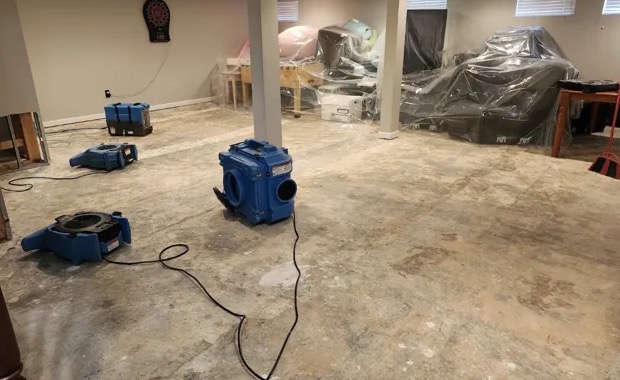
Local Rapid Structural Drying for Blackshear Homes and Businesses
The goal of any water damage response is to return the structure to a pre-loss condition. For homes in Blackshear, achieving this requires professional-grade equipment and proven methods.
Residential structural drying in Blackshear focuses on protecting family homes from water-related deterioration. Local moisture removal experts perform flood drying services and moisture mapping services as part of a full response. Coverage includes areas around Waycross and Nahunta for convenient access.
Rapid Structural Drying Methods and Techniques
Concrete Slab Drying
Water under or within a concrete slab can wick upward for weeks. Moisture meters track the slab's drying progress daily.
Flood Drying Services
Floodwaters affect every porous material they touch. The operation runs 24/7 until the environment is controlled.
Emergency Structural Drying
Drying starts with a quick assessment and equipment placement, so moisture is pulled from walls, floors and framing before the damage spreads.
Crawl Space Drying
Properties in Blackshear may have crawl spaces affected by seasonal moisture. The pros seal vapor barriers and run drying equipment until wood moisture content returns to safe levels.
Wall Cavity Drying
Wall cavity drying uses specialized techniques, like injection systems or strategic venting, to circulate dry air into the hidden space.
Indications for Rapid Structural Drying
Soggy or Spongy Drywall
Drywall that feels soft to the touch has absorbed a lot of water and needs drying right away.
Visible Water Stains on Walls
Yellow or brown stains on drywall or ceilings mean water got into the material and may still be inside.
Squeaking or Soft Floor Areas
Unusual noises or soft spots when walking indicate compromised subflooring from water damage that needs assessment.
Musty Odors in Your Home
A musty smell that will not go away usually means moisture is trapped inside walls or under floors.
How Rapid Structural Drying Works in Blackshear
Step 1: Initial Inspection and Damage Documentation
The pros document all visible damage with photos and initial moisture readings, providing a baseline for the drying protocol and your insurance.
Step 2: Implementation of Structural Drying Plan
A customized drying plan is executed, placing air scrubbers, dehumidifiers, and specialized fans to achieve rapid structural drying in walls and floors.
Step 3: Continuous Moisture Monitoring Process
Pros take readings each day and move equipment as areas dry, so drying keeps moving.
Step 4: Completion of Emergency Structural Drying
Once all materials meet the required dryness standards, the emergency structural drying phase is complete, and equipment is removed from your property.
What Leads to Needing Rapid Structural Drying
Appliance Malfunctions and Leaks
Faulty water heaters, washing machines, or dishwashers can leak slowly, causing hidden damage in walls and floors over time.
Burst Pipes or Plumbing Failures
A burst pipe can release hundreds of gallons, soaking drywall, subfloors and framing well beyond the room where it broke.
HVAC System Condensation Issues
Clogged drain lines or faulty condensate pumps from air handlers can cause significant water damage inside walls and ceilings.
Roof Leaks From Storm Damage
Wind-driven rain or damaged shingles allow water to infiltrate attics and wall cavities, leading to widespread structural moisture.
Rapid Structural Drying for Homes and Businesses
Residential Rapid Structural Drying
Homes have drywall and hardwood that can often be saved if dried quickly. Pros dry wall cavities in place to avoid tearing out finishes.
Commercial Rapid Structural Drying
In commercial settings, structural drying addresses complex building systems. The experts handle large open spaces, server rooms, and retail floors, using structural dehumidification to meet strict dryness standards for safety and reopening.
Rapid Structural Drying vs. DIY: When to Call Local Pros
Wipe down accessible surfaces with towels and increase ventilation by opening windows if weather permits. Avoid using household fans on wet drywall, as they can spread mold spores.
Factors Influencing Rapid Structural Drying Costs
Residential structural drying cost in Blackshear hinges on how quickly water is extracted and how many air movers and dehumidifiers are deployed. Drying a subfloor or crawl space also changes the price.
Affected Structural Materials
Drying dense materials like concrete slabs or enclosed wall cavities demands specialized techniques and longer durations than drying open areas.
Extent of Water Damage
The square footage and depth of saturation in materials like drywall and subflooring directly impact the drying time and equipment needed.
Access and Complexity
Difficult-to-reach areas like tight crawl spaces or behind finished walls add labor time to the emergency structural drying process.
Does Insurance Cover Rapid Structural Drying?
Whether insurance covers emergency structural drying in Blackshear is determined by your specific policy language. It is essential to confirm coverage details with your insurance provider before authorizing any major work.
Benefits of Professional Rapid Structural Drying
Focus on Structural Integrity
The process prioritizes drying the building structure itself, including wall cavities and subfloors, to protect its stability.
Targeted Drying Strategies
Drying plans are adjusted for subfloors and enclosed spaces that need targeted dehumidification.
24/7 Emergency Response
Help is available day or night to begin the rapid structural drying process and limit further damage.
Emergency Structural Drying Response
When water gets into wall cavities or subfloors, drying should start soon. Call (904) 526-8330 24/7 for structural drying in Blackshear.
Call Now (904) 526-8330Local Rapid Structural Drying Coverage Area
The places below are also served, and each one has its own page.
- Rapid Structural Drying in Waycross
- Rapid Structural Drying in Nahunta
- Rapid Structural Drying in Homerville
- Rapid Structural Drying in Folkston
- Rapid Structural Drying in White Oak
- Rapid Structural Drying in Woodbine
- Rapid Structural Drying in Dock Junction
- Rapid Structural Drying in Waverly
- Emergency Damage Restoration in 31516
- Storm Damage Restoration in 31516
- Water Damage Restoration in 31516
- Water Extraction Service in 31516
- Water Leak Detection in 31516
- Water Removal Service in 31516
Frequently Asked Rapid Structural Drying Questions
What equipment is used for water mitigation drying?
Water mitigation drying utilizes industrial air movers for evaporation, high-capacity dehumidifiers to remove vapor, and moisture meters to monitor progress throughout the structural drying process.
How long does concrete slab drying typically take?
Concrete slab drying time varies with thickness and saturation but often takes several days, as dense concrete releases moisture slowly, requiring sustained use of industrial dehumidifiers and air circulation.
What is structural dehumidification?
Structural dehumidification uses large-capacity dehumidifiers to lower the overall humidity within a building's structure, aiding the drying of materials and helping to prevent secondary water damage like mold.
What happens if wall cavity drying is delayed?
Delayed wall cavity drying allows moisture to promote mold growth inside walls, degrade insulation, and potentially weaken drywall or wooden studs, leading to more extensive and invasive repairs.
What areas of a home need structural moisture removal?
Structural moisture removal often targets concealed areas like behind walls, under floors, within ceiling cavities, and in support beams where water can linger and cause hidden damage.