St. Augustine South, FL · Saint Johns County
Attic Water Damage Restoration in St. Augustine South, FLAttic Drying Services & Roof Leak Water Removal
Attic Water Damage Restoration in St. Augustine South runs from roof leak water removal and attic leak water cleanup to attic drying services.
Answered 24/7
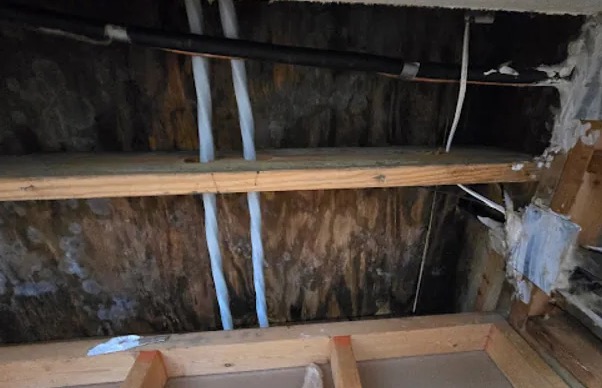
Professional Attic Water Damage Restoration in St. Augustine South, FL
Attic Water Damage Restoration in St. Augustine South deals with leaks from roofs, attic plumbing, AC drain pans and bathroom exhaust ducts. Each one leaves water on the attic floor and in the insulation, and each one needs a different fix at the source.
Homes in St. Augustine South and nearby St. Augustine Shores, St. Augustine Beach and St. Augustine see attic leaks from roof damage, AC drain pans in the attic and bathroom vent ducts. Help with attic water damage restoration covers water removal, insulation removal and drying of the attic and the ceiling below.
Detailed Attic Water Damage Restoration Solutions
Attic Drying Services
Attic drying targets the wood framing and the ceiling below, with readings taken until both return to normal levels.
Roof Leak Water Removal
A tarp can be placed over the damaged roof section to stop more rain from getting in while drying begins below.
Attic Moisture Inspection
Readings are recorded before and during drying, giving you and your insurer a clear record of the attic damage.
Attic Leak Water Cleanup
After a leak, the attic is checked from the roof deck down to the ceiling below, and all standing water and soaked debris are taken out.
Emergency Attic Water Extraction
Help is available any hour when water is pouring into the attic during a storm or from a burst pipe, before it soaks through the ceiling.
Do You Need Attic Water Damage Restoration in St. Augustine South?
Dripping Sounds From Ceiling
Dripping or tapping sounds above the ceiling, especially during rain, mean water is getting in.
Peeling Paint or Wallpaper
Paint that bubbles or peels on upstairs ceilings and walls often has water behind it.
Water Stains on Ceiling
Brown rings or yellow spots on an upstairs ceiling usually mean water is sitting on the drywall from above.
Visible Mold in Attic
Dark spots on roof decking or rafters mean the wood has stayed damp for some time.
How Attic Water Damage Restoration Works in St. Augustine South
Step 1: Emergency Attic Water Extraction
Active drips are caught, pooled water is removed from decking and drywall tops, and power to wet fixtures is checked.
Step 2: Attic Moisture Inspection and Mapping
Meters and thermal cameras map wet insulation, wood and ceiling drywall from the leak point outward.
Step 3: Structural Drying and Dehumidification
Air movers and dehumidifiers dry rafters, joists and decking, with equipment set on safe footing.
Step 4: Final Verification and Documentation
Readings confirm the attic and ceiling are dry, and photos and logs are provided for insurance.
Frequent Origins of Attic Flooding
Failing Roof Valley or Flashing
Worn flashing around valleys, chimneys and skylights lets water run into the attic.
Attic Appliance Leaks
AC air handlers in the attic overflow when the condensate line clogs or the pan cracks.
Burst or Leaking Plumbing Pipes
Supply lines and water heaters in the attic can leak or burst directly onto the ceiling.
Storm Damage From Wind or Hail
Wind and hail can tear shingles or puncture the roof, letting rain in during the storm.
Both Residential & Commercial Attic Water Damage Restoration
Residential Attic Water Damage Restoration
For townhomes and condos, an attic leak can cross into a neighbor's space. Fast drying and clear records help sort out repairs with the association.
Commercial Attic Water Damage Restoration
Property managers get photos and readings for each affected unit or suite, which simplifies insurance claims and roof repair planning.
Why DIY Attic Water Damage Restoration Often Fails in St. Augustine South
Putting a bucket under a drip and moving belongings is a good first step. Call local attic drying pros if the ceiling is stained, sagging or wet, or if the attic insulation is soaked.
Factors Affecting Attic Water Damage Restoration Cost in St. Augustine South
Roof repair is a separate cost from water removal and drying. In St. Augustine South, both are usually needed after a roof leak.
Extent of Water Intrusion
A small leak at one spot costs less to dry than water spread across the attic and the rooms below.
Size and Accessibility
Low, tight attics take longer to work in than tall attics with easy access.
Type of Water Involved
Clean rainwater is simpler to handle than water from a drain or a contaminated source.
Does Insurance Cover Attic Water Damage Restoration?
Ceiling damage below an attic leak is usually handled as part of the same claim. Make sure the adjuster sees both the attic and the room below.
Why Choose Local Pros for Attic Water Damage Restoration in St. Augustine South
Detailed Documentation
Photos, readings and drying logs are kept to support your insurance claim.
Roof Leak Location
The leak point is marked and photographed so the roofer can fix the right spot.
Industry Drying Standards
Drying follows industry water damage standards, with readings taken at each visit.
24/7 Attic Water Damage Restoration Response for St. Augustine South
A wet attic soaks the ceiling below within hours. Call (904) 526-8330 for attic water damage restoration in St. Augustine South at any time of the day or night.
Call Now (904) 526-8330Providing Attic Water Damage Restoration to Surrounding Communities
Need attic water damage restoration outside St. Augustine South? Service also covers St. Augustine Shores, St. Augustine Beach and St. Augustine, including emergency help during storms.
- Attic Water Damage Restoration in St. Augustine Shores
- Attic Water Damage Restoration in St. Augustine Beach
- Attic Water Damage Restoration in St. Augustine
- Attic Water Damage Restoration in Butler Beach
- Attic Water Damage Restoration in Vilano Beach
- Attic Water Damage Restoration in Crescent Beach
- Attic Water Damage Restoration in Armstrong
- Attic Water Damage Restoration in Elkton
Frequently Asked Attic Water Damage Restoration Questions
What happens during attic leak water cleanup?
Pooled water is removed, wet insulation is bagged and taken out, and the framing and decking are dried with air movers and dehumidifiers.
What are common signs of poor attic ventilation?
Damp or dark roof decking, rusted nails, musty smells and condensation on the underside of the roof.
What equipment is used for attic water removal?
Wet vacs, air movers, dehumidifiers, moisture meters and thermal cameras, plus bags and HEPA vacuums for insulation removal.
How quickly should I respond to an attic leak?
Right away. Water on the attic floor soaks into the ceiling drywall within hours and can make it sag or fall.
Can attic water damage affect indoor air?
Wet insulation and wood can cause musty odors that reach the living space, so drying and removing soaked materials matters.