St. Augustine South, FL · Saint Johns County
Attic Water Removal in St. Augustine South, FLAttic Leak Water Cleanup & Attic Drying Services
Get attic water removal in St. Augustine South for attic moisture inspection, attic leak water cleanup and attic mold prevention.
Answered 24/7
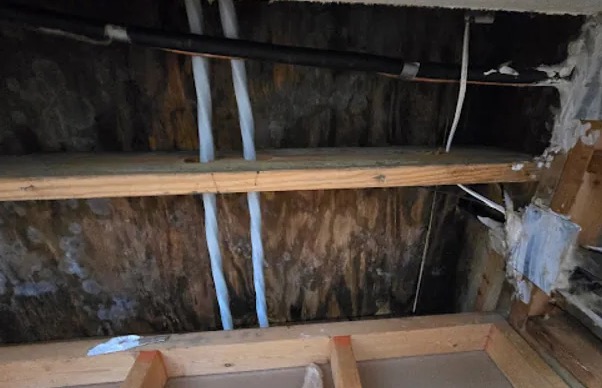
Reliable Attic Water Removal Near St. Augustine South
Attic Water Removal in St. Augustine South is about protecting the ceiling. Water on top of drywall soaks in and adds weight, and wet insulation keeps it soaking long after the leak stops.
A heavy storm in St. Augustine South can push water into an attic overnight. Local water damage restoration experts serve St. Augustine South and nearby St. Augustine Shores, St. Augustine Beach and St. Augustine, with help available around the clock.
The Attic Water Removal Process in St. Augustine South
Attic Leak Water Cleanup
Water-stained debris, wet cardboard and soaked stored items are cleared out so the attic floor can be dried.
Attic Drying Services
Equipment is adjusted daily, moving airflow from areas that are dry to areas that still read wet.
Wet Attic Insulation Removal
Only the wet sections come out. The edges of the wet area are checked with a meter so dry insulation is not removed by mistake.
Attic Mold Prevention
Fast drying is the main protection. Antimicrobial treatment is added only where framing and decking stayed wet long enough to need it.
Roof Leak Water Removal
Rainwater from a roof leak is removed from the attic, and the wet path along the decking is followed back to where it entered.
Indicators of Attic Water Damage in St. Augustine South
Wet or Damp Attic Insulation
Insulation that feels damp, looks dark or has packed down in one area has absorbed water.
Increased Indoor Humidity Levels
Upstairs rooms that feel sticky or humid may have moisture coming down from the attic.
Water Stains on Ceiling
A brown ring or yellow patch on an upstairs ceiling usually means water is sitting on the drywall from the attic.
Peeling Paint on Ceilings or Walls
Paint that peels or blisters on upstairs ceilings and walls often has water behind it.
How Attic Water Removal Works in St. Augustine South
Step 1: Attic Flood Cleanup Response
Active drips are contained with buckets and plastic, and the room below is protected.
Step 2: Targeted Attic Moisture Removal
Water is vacuumed from between joists and on top of drywall, starting where it is deepest.
Step 3: Attic Dehumidification
Dehumidifiers pull moisture from the attic air while air movers dry the wet framing.
Step 4: Documentation for Restoration
Photos and moisture readings are compiled to show what was removed and when the attic dried.
Why Attics Develop Water Damage
Appliance Malfunctions Like Water Heater Leaks
Water heaters located in the attic can leak or fail, flooding the attic floor.
HVAC System Leaks or Drain Pan Overflow
An attic air handler overflows when its condensate line clogs or the drain pan cracks.
Storm Damage From High Winds or Hail
High winds and hail can damage shingles and open the roof to rain during a storm.
Flashing Failures Around Roof Penetrations
Failed flashing around vents, chimneys and skylights lets rain run into the attic.
Both Residential & Commercial Attic Water Removal
Residential Attic Water Removal
In two-story homes, attic water can run down inside walls to the floor below. Walls under the leak are checked with a meter and dried if needed.
Commercial Attic Water Removal
Flat-roof buildings often have water that travels far before it drips. The path above the ceiling is traced so every wet section is found.
Attic Water Removal vs. DIY: When to Call the Pros
Catching drips with a bucket and moving furniture out of the way is a smart first step. Call local water damage restoration experts if water is pooling in the attic, the ceiling is stained or sagging, or insulation is wet.
What Affects Attic Water Removal Cost in St. Augustine South
The cost of attic water removal in St. Augustine South depends on how far the water spread, how much insulation is wet and whether ceiling drywall below must be replaced.
Emergency Service Timing
Storm, night and holiday calls can cost more than a scheduled visit.
Extent of Water Damage
A leak confined to one bay costs less than water spread across the attic and the rooms below.
Type of Insulation Affected
Blown-in insulation takes more time to remove than batts, and both add disposal costs.
Does Insurance Cover Attic Water Removal?
Many homeowner policies cover sudden attic leaks from storms or burst pipes, but not damage from worn roofing or slow leaks. Read your policy and call your insurer early.
Benefits of Local Pros for Attic Water Removal
Controlled Demolition Practices
Only wet insulation and drywall are removed, which keeps the repair as small as possible.
Source Identification
The pros trace the water to its source and note it for the roofer or plumber.
Industry Drying Standards
Drying follows industry water damage standards, with moisture readings taken at every visit.
24/7 Attic Water Removal Response in St. Augustine South
Water in an attic reaches the ceiling below fast. Call (904) 526-8330 for attic water removal in St. Augustine South at any hour, including storms and holidays.
Call Now (904) 526-8330Local Attic Water Removal Coverage Area
Besides St. Augustine South, the experts remove attic water, wet insulation and soaked ceiling drywall in nearby St. Augustine Shores, St. Augustine Beach and St. Augustine.
Your Attic Water Removal FAQs Resolved
What is involved in attic water removal?
Stopping the source, removing pooled water, bagging wet insulation, drying the framing and decking, and checking the ceiling below.
What equipment is used for attic water extraction?
Wet vacs, pumps, air movers, dehumidifiers, moisture meters and thermal cameras, plus vacuums for wet insulation.
Is attic flood cleanup different from a small leak?
The steps are the same, but a flooded attic needs more extraction, more insulation removal and usually ceiling replacement.
What does water damaged attic restoration include after drying?
New insulation, any decking or framing repairs, and ceiling drywall replacement and paint in the room below.
How can mold be prevented after attic water removal?
By drying wood quickly, fixing ventilation problems and treating framing that stayed wet with an antimicrobial.