Jacksonville Beach, FL · Duval County
AC Unit Water Removal in Jacksonville Beach, FLAir Conditioner Restoration Services & AC Leak Water Extraction
Get AC unit water removal in Jacksonville Beach: AC leak water extraction, wet AC unit component drying and air conditioner restoration services.
Answered 24/7
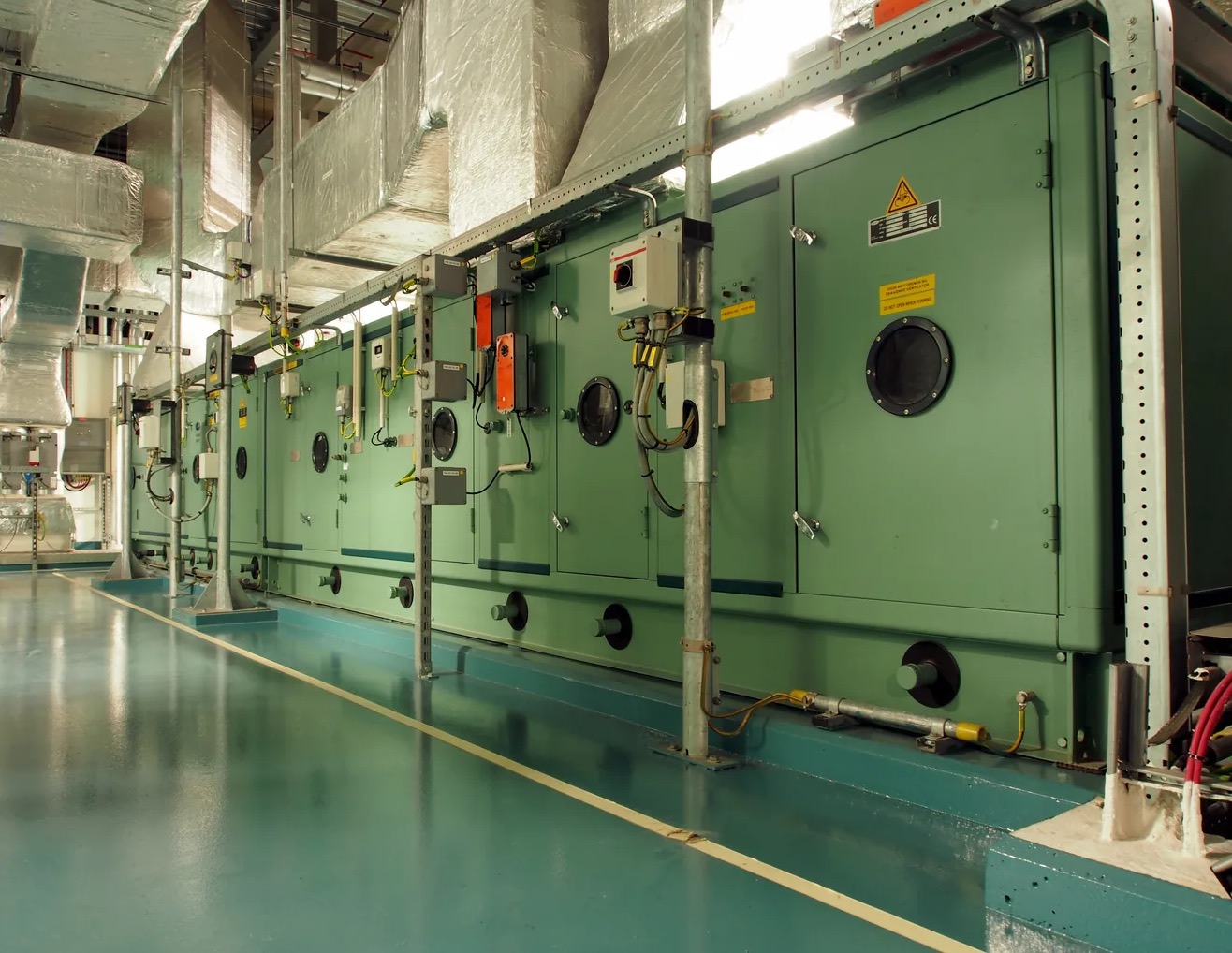
Local AC Unit Water Removal Services in Jacksonville Beach, Florida
An air conditioner pulls gallons of water out of the air on a hot day. When the drain line clogs or the pan cracks, that water lands on ceilings, walls and floors in Jacksonville Beach homes instead of draining outside.
A leaking AC in Jacksonville Beach rarely fixes itself, and the water keeps soaking the same drywall and subfloor until the drain is cleared. Local air conditioner restoration pros serve Jacksonville Beach and nearby Neptune Beach, Atlantic Beach and Ponte Vedra Beach, with help available around the clock for leaks of any size.
The AC Unit Water Removal Process in Jacksonville Beach, FL
Air Conditioner Restoration Services
Work finishes with cleanup and a check that the unit drains properly, so the leak does not return.
AC Leak Water Extraction
Extractors and pumps pull water from carpet, pad and hard floors around the unit, then hidden moisture is mapped in the subfloor.
AC Drain Pan Water Extraction
Both the primary pan and the secondary safety pan are emptied, and the pan is inspected for rust holes or cracks.
AC Condensate Drain Clearing
Clearing the line stops the overflow at its source. Without it, the pan refills and the leak returns within days.
Emergency AC Water Removal
Help is available day or night for leaks that start after hours, when water dripping from an attic unit cannot wait until morning.
Warning Signs You Need AC Unit Water Removal
Reduced Cooling Efficiency
A clogged drain can trip a float switch or starve the coil of airflow, so the system runs longer and cools less.
Water on the Floor
A puddle around the air handler or furnace closet is the most direct sign of a leak.
AC System Shuts Off
Many units have a float switch that shuts the system off when the pan fills. If the AC stops cooling, check the pan.
High Indoor Humidity Levels
Rooms that feel clammy while the AC runs may mean water is not draining and is evaporating back into the air.
How AC Unit Water Removal Works in Jacksonville Beach
Step 1: Leak Assessment
The pros find the source of the leak, check how far the water spread and take moisture readings.
Step 2: Source Stop and Water Removal
The drain is cleared or the leaking part isolated, then standing water is extracted from every wet area.
Step 3: System Drying and Dehumidification
Drying equipment runs until walls, floors and insulation test dry, with readings taken at each visit.
Step 4: Verification and Restoration
Final readings confirm the materials are dry, then damaged drywall, trim or ceiling panels can be replaced.
Common Causes of AC Water Damage in Jacksonville Beach
Failed Condensate Pump
Units that pump condensate uphill depend on a small pump. When it fails, the reservoir overflows.
High Static Pressure in Ducts
Restricted ducts can pull water off the coil and blow it into the cabinet or ductwork.
Age and Component Wear
Older units have worn fittings, brittle seals and corroded pans that start leaking together.
Damaged AC Drain Pan
Metal pans rust through and plastic pans crack with age, letting water drip straight through.
Both Residential & Commercial AC Unit Water Removal in Jacksonville Beach
Residential AC Unit Water Removal
In apartments and condos, an AC leak can spread through the floor or ceiling to the unit below. Fast extraction limits the spread and the number of neighbors affected.
Commercial AC Unit Water Removal
In restaurants and retail spaces, water near equipment, wiring and walkways is removed first. That reduces slip and electrical hazards while the rest of the area dries.
When to Hire Local Pros for AC Unit Water Removal in Jacksonville Beach
Pouring a cup of diluted vinegar into the drain line each season helps prevent algae clogs. Once water spreads past the unit into walls, ceilings or flooring, it is time to call local air conditioner restoration pros for extraction and drying.
Factors Influencing AC Unit Water Removal Cost in Jacksonville Beach
An attic unit that leaked all night costs more to fix than a closet leak caught the same day. In Jacksonville Beach, calling early is the simplest way to keep the bill down.
System Restoration Complexity
Replacing drywall, insulation or trim after drying adds material and labor to the total.
Emergency Service Timing
After-hours and holiday response can cost more than a scheduled weekday visit.
Secondary Damage Presence
Wet ceilings, swollen baseboards or damp framing add removal and repair work to the job.
Does Insurance Cover AC Unit Water Removal?
Photos, moisture readings and a written scope from the pros help support an insurance claim for AC water damage in Jacksonville Beach. Keep copies of everything you send your adjuster, along with your own photos.
Benefits of Local Pros for AC Unit Water Removal in Jacksonville Beach
Systematic Drain Line Clearing
The condensate line is cleared, not just the water mopped up, so the leak does not come right back.
Detailed Moisture Documentation
Photos and moisture readings are recorded at each visit to support your insurance claim.
Industry Drying Standards
Drying follows industry water damage standards, with moisture readings at each visit.
Round-the-Clock Emergency AC Unit Water Removal in Jacksonville Beach
Every hour of standing water means more drying later and more materials to replace. Call (904) 526-8330 for AC unit water removal in Jacksonville Beach as soon as you see the leak.
Call Now (904) 526-8330AC Unit Water Removal Throughout Jacksonville Beach and Beyond
AC leak cleanup, drain clearing and drying also cover homes and businesses in Neptune Beach, Atlantic Beach and Ponte Vedra Beach, close to Jacksonville Beach.
- AC Unit Water Removal in Neptune Beach
- AC Unit Water Removal in Atlantic Beach
- AC Unit Water Removal in Ponte Vedra Beach
- AC Unit Water Removal in Sawgrass
- AC Unit Water Removal in Palm Valley
- AC Unit Water Removal in Nocatee
- AC Unit Water Removal in Jacksonville
- AC Unit Water Removal in St. Johns
- Emergency Damage Restoration in 32240
- Storm Damage Restoration in 32240
- Water Damage Restoration in 32240
- Water Extraction Service in 32240
- Water Leak Detection in 32240
- Water Removal Service in 32240
- Emergency Damage Restoration in 32250
- Storm Damage Restoration in 32250
Your AC Unit Water Removal Questions Addressed
What equipment is used to dry AC leak damage?
Extractors, air movers, dehumidifiers and moisture meters, plus wet vacs or pumps for the drain line.
Can an AC condensation leak damage the ceiling?
Yes. Attic units leak straight into the drywall below, causing stains, sagging and eventually collapse if left alone.
How long does drying take after an AC leak?
Often several days, depending on the materials and how long they were wet. Daily readings track progress.
What clogs an AC condensate line?
Algae, sludge, dust and debris build up inside the line, especially over long cooling seasons, until water backs up into the pan.
How quickly should I deal with an AC leak?
Right away. Water that sits for more than a day or two soaks into drywall and insulation and raises the risk of microbial growth.