St. Johns, FL · Saint Johns County
AC Unit Water Removal in St. Johns, FLAC Drain Pan Water Extraction & AC Leak Mold Prevention
AC Unit Water Removal in St. Johns handles AC drain pan water extraction, AC leak water cleanup and AC leak mold prevention before the water spreads.
Answered 24/7
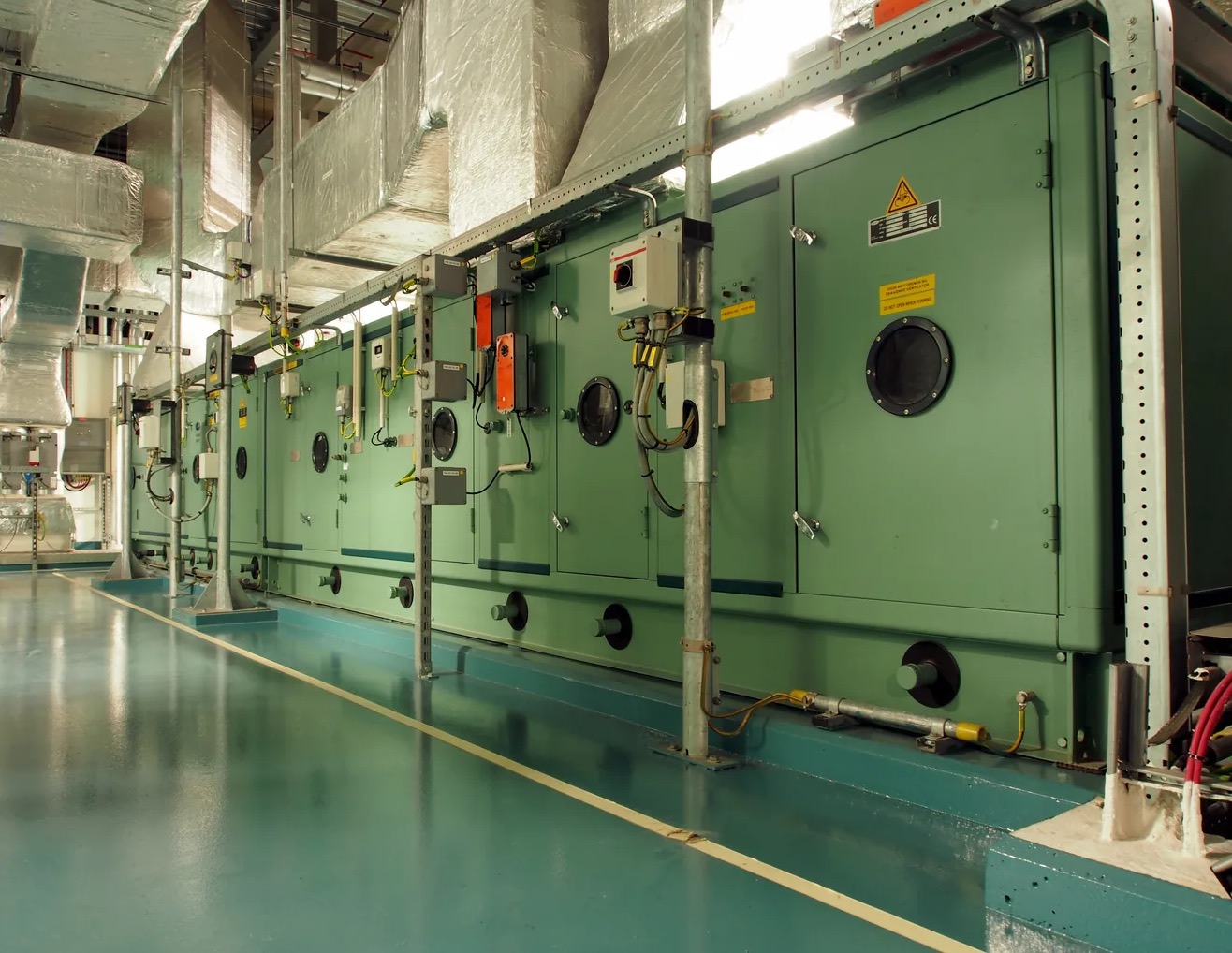
Expert AC Unit Water Removal for St. Johns Homes
Most AC leaks start small: a drip in the furnace closet or a faint stain under an attic unit. In St. Johns, the drain pan can fill and overflow for days before anyone notices the damage.
Homes in St. Johns and nearby Durbin, Switzerland and Fruit Cove run air conditioning for much of the year, so clogged condensate lines and full drain pans are common. Local water damage pros remove the water, clear the drain and dry the ceilings, walls and floors the leak reached.
AC Unit Water Removal Services in St. Johns
AC Drain Pan Water Extraction
Both the primary pan and the secondary safety pan are emptied, and the pan is inspected for rust holes or cracks.
AC Leak Mold Prevention
Antimicrobial treatment is an add-on step after drying, not a substitute for removing wet materials that cannot be saved.
Emergency AC Water Removal
Help is available day or night for leaks that start after hours, when water dripping from an attic unit cannot wait until morning.
Air Conditioner Restoration Services
Work finishes with cleanup and a check that the unit drains properly, so the leak does not return.
AC Condensate Drain Clearing
The PVC drain line is cleared with suction or a flush, and the trap is checked so water stops backing up into the pan.
Signs of AC Water Damage Requiring Removal
AC System Shuts Off
Many units have a float switch that shuts the system off when the pan fills. If the AC stops cooling, check the pan.
AC Unit Circuit Breaker Trips
Water reaching electrical parts can trip the breaker. Shut the unit off and call before resetting it again.
Water Stains on Walls
Brown rings or peeling paint on the ceiling under an attic unit, or on walls near the closet, point to a slow leak.
AC Drain Pan Overflow
Water at the rim of the drain pan, or in the secondary pan, means the condensate line is blocked.
How AC Unit Water Removal Works in St. Johns
Step 1: AC Unit Flood Cleanup
Water is extracted to help limit further soaking of insulation, framing and the ceiling below.
Step 2: Drain Line Diagnosis and Clearing
The drain line is inspected for clogs, sags or loose fittings and cleared so water drains outside.
Step 3: Structural and Unit Drying
Air movers and dehumidifiers run around the unit, with daily moisture checks on walls and floors.
Step 4: System Check and Cleanup
The pan is cleaned, the drain is tested with water and the area is left dry.
Common Causes of AC Water Damage in St. Johns
Improper AC Unit Installation
A unit that is not level, or a drain line without enough slope, lets water pool instead of draining.
Damaged AC Drain Pan
Metal pans rust through and plastic pans crack with age, letting water drip straight through.
High Static Pressure in Ducts
Restricted ducts can pull water off the coil and blow it into the cabinet or ductwork.
Failed Condensate Pump
Units that pump condensate uphill depend on a small pump. When it fails, the reservoir overflows.
Both Residential & Commercial AC Unit Water Removal in St. Johns
Residential AC Unit Water Removal
Attic air handlers in houses leak into bedroom and hallway ceilings. The pan is emptied, the ceiling checked with a meter and wet drywall dried or cut out before it sags.
Commercial AC Unit Water Removal
Commercial systems have larger pans and longer drain runs. Clearing the line and drying ceiling tiles and carpet keeps the space open and safe for staff and customers.
When to Hire Local Pros for AC Unit Water Removal in St. Johns
A wet vac on the condensate line outlet clears many simple clogs. If the ceiling below an attic unit is stained or sagging, stay out from under it and call (904) 526-8330 instead of poking holes in it.
What Affects AC Unit Water Removal Expense in St. Johns
In St. Johns, most of the cost comes from extraction, equipment days and any drywall or insulation that has to be replaced. A walk-through sets the scope before work starts.
Required Drying Time
Dense materials and enclosed spaces take longer to dry, which means more equipment days.
Preventative Treatment Scope
Antimicrobial treatment is an optional step, priced by the size of the area treated.
Leak Source and Severity
A slow drip near the closet costs less to fix than an attic overflow that soaked a ceiling and the room below.
Does Insurance Cover AC Unit Water Removal?
Ask your adjuster whether clearing the condensate line is covered or treated as routine maintenance, since policies differ. The water damage to ceilings, walls and floors is often handled separately from the unit.
The Value of Local Pros for AC Unit Water Removal in St. Johns
Leak Source Identification
The pros trace the leak to its source, whether that is a clog, a cracked pan or a failed pump.
24/7 Emergency Response
Help is available any hour, which matters when an attic unit starts leaking into a ceiling at night.
Air Conditioner Restoration Focus
Drywall, trim and ceiling repairs can be handled after drying, so one job covers the whole leak.
24/7 Emergency AC Unit Water Removal Response in St. Johns
Every hour of standing water means more drying later and more materials to replace. Call (904) 526-8330 for AC unit water removal in St. Johns as soon as you see the leak.
Call Now (904) 526-8330AC Unit Water Removal Service Area Including St. Johns
Need AC unit water removal outside St. Johns? Service also covers Durbin, Switzerland and Fruit Cove, day or night, for any leaking AC unit.
- AC Unit Water Removal in Durbin
- AC Unit Water Removal in Switzerland
- AC Unit Water Removal in Fruit Cove
- AC Unit Water Removal in Orangedale
- AC Unit Water Removal in World Golf Village
- AC Unit Water Removal in Nocatee
- AC Unit Water Removal in Fleming Island
- AC Unit Water Removal in Bellair-Meadowbrook Terrace
- Emergency Damage Restoration in 32259
- Storm Damage Restoration in 32259
- Water Damage Restoration in 32259
- Water Extraction Service in 32259
- Water Leak Detection in 32259
- Water Removal Service in 32259
Common AC Unit Water Removal Questions Answered
Does homeowners insurance cover water damage from an HVAC unit?
Sudden leaks are often covered, but slow leaks and the unit itself usually are not. Check your policy.
How long does drying take after an AC leak?
Often several days, depending on the materials and how long they were wet. Daily readings track progress.
What happens during AC water extraction?
Pumps and extractors remove water from the pan, floor and carpet, then moisture meters check walls and subfloor for hidden water.
What does emergency AC water removal include?
Shutting off the unit, extracting standing water, clearing the drain and starting drying equipment, at any hour.
What is involved in AC unit water removal?
Standing water is extracted, the condensate line is cleared, and wet materials are dried with air movers and dehumidifiers until moisture readings are normal.