Jacksonville, FL · Duval County
Warehouse Water Damage Restoration in Jacksonville, FLWarehouse Leak Detection Repair & Warehouse Water Damage Cleanup
Warehouse Water Damage Restoration in Jacksonville involves warehouse water damage cleanup, warehouse structural drying, and warehouse equipment drying to minimize downtime.
Answered 24/7
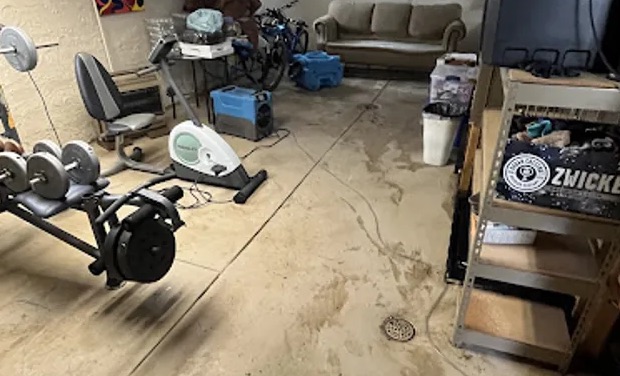
Warehouse Water Damage Restoration Solutions in Jacksonville, Florida
Water in a warehouse threatens equipment, inventory and building safety. Drying pros start by extracting the flood water and finding the leak.
In Jacksonville, warehouse floods need large-volume extraction and drying. Local pros dry and clean the building, including mold removal, and also serve Grand Crossing, Bellair-Meadowbrook Terrace and Orange Park.
Comprehensive Warehouse Water Damage Restoration Solutions
Warehouse Leak Detection Repair
Identifying the leak source is the first step in solving warehouse water damage. A thorough inspection of the building envelope and systems is conducted.
Warehouse Water Damage Cleanup
After drying, local pros wash floors, wipe down structural elements and control odors so the warehouse is ready to operate, with records for your claim.
Warehouse Floor Water Removal
Warehouse floors, especially sealed concrete, need dedicated water removal. Extraction equipment pulls moisture from the surface and substrate to prevent slab damage and mold.
Warehouse Structural Drying
Industrial structural drying targets moisture in warehouse walls, supports, and slabs. Commercial dehumidifiers and air movers establish drying conditions across the large space. The pros in Jacksonville follow industry-standard protocols, using meters to verify materials are dry.
Warehouse Mold Remediation
Warehouse mold remediation contains growth on walls or materials. Contaminated porous items are removed, and surfaces are cleaned.
When to Call for Warehouse Water Damage Restoration in Jacksonville
Water Stains on Walls
Discolored streaks or rings on interior walls reveal past or active leaks in the warehouse.
Wet Electrical Components
Any moisture near panels, conduits, or outlets is an immediate safety hazard for warehouse operations.
Musty Odors in the Space
A persistent earthy smell often means hidden moisture and potential mold in a warehouse.
Active Leak or Dripping
Water coming from a roof, pipe or fixture needs the leak found and stopped now.
How Warehouse Water Damage Restoration Works in Jacksonville
Step 1: Leak Detection and Source Stop
The process begins with locating the water source for immediate warehouse leak repair, whether from roofing, plumbing, or a system failure.
Step 2: Industrial-Grade Water Extraction
Heavy-duty extractors perform commercial water extraction, removing water from floor surfaces, drains, and any subsurface layers to halt further damage.
Step 3: Dehumidification and Drying
Industrial dehumidifiers lower the humidity, while air movers circulate air to dry structural components, a core part of warehouse structural drying.
Step 4: Post-Restoration Assessment
A final check confirms the space is dry and ready to use again.
Leading Causes of Water Intrusion in Jacksonville
Human Error and Accidents
A left-on hose, an overturned tank, or a forklift damaging a pipe can initiate flooding.
Roof Leaks and Penetrations
Damaged roofing, failed seals around vents or skylights, and storm damage allow water into warehouse spaces.
Foundation or Slab Leaks
Cracks in the slab or foundation walls let groundwater seep into the warehouse.
Faulty Drain or Sewer Backup
Blocked floor drains or a municipal sewer backup can send contaminated water into the warehouse.
Commercial Warehouse Water Damage Restoration in Jacksonville
Residential Water Damage Restoration
Mostly a commercial service, but the pros can also help homeowners with oversized garages, workshops or storage buildings flooded by appliance failures or storms.
Warehouse Water Damage Restoration
Warehouses, plants and distribution hubs lose money every day a flood halts operations. Pros extract water to protect inventory and the structure.
The Risks of DIY Warehouse Water Damage Restoration in Jacksonville
Wiping down exposed metal surfaces on equipment can slow surface rust after a leak. For thorough warehouse equipment drying and corrosion prevention, controlled techniques are used to dry internal components.
Cost Considerations for Warehouse Water Damage Restoration in Jacksonville, FL
Costs vary with how much of the building got wet, what stock is involved and the drying equipment needed.
Access and Complexity
Multi-level racking, confined machinery spaces, or high ceilings can complicate water removal and drying, increasing labor and equipment needs.
Mold Remediation Needs
If secondary mold growth is present, the project scope expands to include containment, removal, and air scrubbing, adding to the cost.
Required Drying Time
The number of days industrial-grade dehumidifiers and air movers must run to reach dry standard significantly influences the final expense.
Does Insurance Cover Warehouse Water Damage Restoration?
The pros provide detailed reports and invoices that document the scope of work and moisture readings. The property owner can submit these to their insurer, but final coverage decisions rest with the insurance company.
Why Jacksonville Trusts Local Warehouse Water Damage Pros
Structural Drying Expertise
Proper warehouse structural drying protects the building's integrity by removing moisture from concrete slabs, steel frames, and wall cavities effectively.
Moisture Documentation
Detailed logs of moisture readings before, during, and after restoration provide a clear record for your reference and any insurance requirements.
Equipment Drying Protocols
Specialized techniques for warehouse equipment drying aim to minimize corrosion and electrical damage to machinery and control panels after water exposure.
24/7 Emergency Water Extraction in Jacksonville
Moisture in a warehouse can damage the structure, ruin stock and grow mold. Call (904) 526-8330 24/7 for the pros to start drying.
Call Now (904) 526-8330Local Warehouse Water Damage Restoration Coverage for Grand Crossing, Bellair-Meadowbrook Terrace and Orange Park
Local warehouse water damage restoration is available for properties in Jacksonville, along with nearby places like Grand Crossing, Bellair-Meadowbrook Terrace and Orange Park, providing industrial-scale flood response.
- Warehouse Water Damage Restoration in Grand Crossing
- Warehouse Water Damage Restoration in Bellair-Meadowbrook Terrace
- Warehouse Water Damage Restoration in Orange Park
- Warehouse Water Damage Restoration in Fruit Cove
- Warehouse Water Damage Restoration in Lakeside
- Warehouse Water Damage Restoration in Atlantic Beach
- Warehouse Water Damage Restoration in Neptune Beach
- Warehouse Water Damage Restoration in Jacksonville Beach
- Emergency Damage Restoration in 32099
- Storm Damage Restoration in 32099
- Water Damage Restoration in 32099
- Water Extraction Service in 32099
- Water Leak Detection in 32099
- Water Removal Service in 32099
- Emergency Damage Restoration in 32201
- Storm Damage Restoration in 32201
FAQ for Local Pros
What are the signs of hidden warehouse water damage?
Look for persistent damp odors, staining on walls or floors, warping of materials, or unexplained corrosion on metal surfaces or equipment.
How long does industrial water damage restoration typically take?
Duration varies widely by scale; a significant warehouse flood may require several days of active drying followed by repair and cleanup phases.
When is warehouse mold remediation necessary after water damage?
If visible mold growth appears or moisture is left unresolved for over 24 48 hours, remediation procedures for containment and removal become necessary.
Is warehouse equipment drying different from structural drying?
Yes, it often requires specific techniques like controlled low-heat drying, corrosion inhibitors, and electrical testing to protect machinery after water exposure.
What's included in warehouse water damage cleanup?
Cleanup encompasses water extraction, debris removal, surface sanitization of affected areas, and odor control measures after the primary structural drying phase is complete.