Kingsland, GA · Camden County
Temperature-Controlled Drying in Kingsland, GAMoisture Mapping & Thermal Drying For Water Damage
Temperature-Controlled Drying in Kingsland includes thermal drying for water damage, rapid structural drying services, and humidity control for restoration managed by local moisture control experts.
Answered 24/7
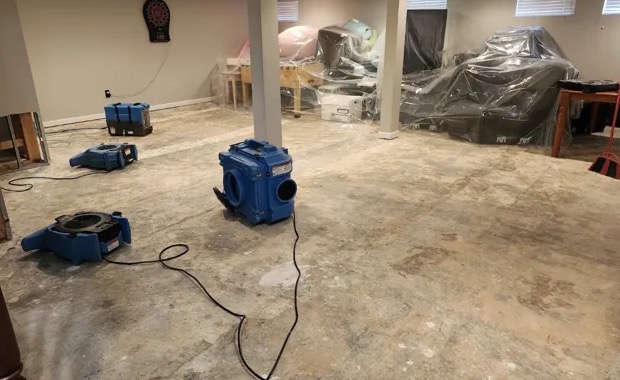
Targeted Temperature-Controlled Drying for Properties in Kingsland
In Kingsland, slow or uneven drying lets wood rot and drywall soften, which adds cost and keeps you out of your home longer.
In Kingsland and nearby Kings Bay Base, Harrietts Bluff and St. Marys, local pros map moisture in walls and subfloors, then fit thermal drying and humidity control to the materials in the building.
Temperature-Controlled Drying Methods Available in Kingsland
Moisture Mapping
Moisture mapping uses penetrating and non-penetrating meters to document water migration. This creates a blueprint of wet areas, including hidden moisture behind walls.
Thermal Drying for Water Damage
The experts raise the room temperature in a controlled way to drive moisture out of dense materials like concrete slabs and beams, watching readings the whole time.
Air Mover Placement for Drying
The tactical setup of air-moving equipment establishes cross-flow or focus drying patterns. The experts adjust the strategy daily based on monitoring data, repositioning units.
Drying Equipment Deployment
The experts set up LGR dehumidifiers, axial fans and cavity drying systems to work together on the wet structure.
Humidity Control for Restoration
The experts keep humidity low in properties in Kingsland, so water evaporates from materials instead of soaking back in.
Indicators for Temperature-Controlled Drying in Kingsland Properties
Paint Peeling or Bubbling Up
Paint loses adhesion and forms bubbles or peels away from the wall. This failure is caused by moisture trapped beneath the paint film.
Visible Mold Growth in Corners
Black, green or white specks in damp corners or on baseboards are usually mold, which means moisture has been there a while.
Discoloration on Drywall or Ceilings
Yellow or brown water stains appear on surfaces that seem dry. These stains suggest moisture is still present inside the wall cavity.
Cracking of Plaster or Joints
Plaster or drywall joint tape develops new cracks or fissures. These cracks occur as wet materials swell and then contract during drying.
How Temperature-Controlled Drying Works in Kingsland
Step 1: Initial Moisture Survey and Readings
Pros take baseline moisture readings across the property to plan the drying.
Step 2: Precision Air Mover Placement
Air movers are placed at set angles and distances to target specific wet materials.
Step 3: Deployment of Drying Systems
Dehumidifiers are sized to the moisture load and the size of the space.
Step 4: Ongoing Monitoring and Adjustment
Equipment is moved and adjusted as materials dry, so drying keeps moving.
Common Causes Requiring Structural Drying in Kingsland
HVAC System Condensation Issues
A clogged condensate drain line causes an overflow inside the air handler. This water can soak insulation and ductwork, creating a hidden moisture issue.
Appliance Malfunction or Overflow
A failed washing machine hose, water heater or dishwasher can release many gallons onto the floor.
Poor Ventilation After a Flood
Closing up a wet room traps humid air, which slows drying and lets moisture soak further into materials.
Storm-Driven Water Intrusion
Heavy rain overflows gutters or gets in around windows and soaks framing and insulation.
Temperature-Controlled Drying for Homes and Businesses in Kingsland
Residential Temperature-Controlled Drying
Homeowners benefit from structural drying that prevents mold and preserves structural elements like wood framing and drywall. The experts set up targeted drying arrays to address specific home layouts and materials.
Commercial Temperature-Controlled Drying
For commercial properties, pros run industrial dehumidifiers and air movers to control humidity in large spaces and monitor moisture until the building is dry.
Professional Temperature-Controlled Drying vs. Do-It-Yourself in Kingsland
After the water is removed, wipe hard surfaces like tile or sealed wood with a disinfectant, and shut off the water source if it is still leaking.
What Affects Temperature-Controlled Drying Cost in Kingsland
In Kingsland, the cost depends on how much drying equipment is used and how long it runs, plus the moisture readings taken along the way.
Access and Logistics
Challenging site access in Kingsland can complicate equipment deployment and placement, potentially increasing setup time and labor requirements.
Structural Material Types
Porous materials like concrete or dense wood require more aggressive drying strategies and extended monitoring, influencing the project timeline and cost.
Equipment Needs
The number and type of air movers, dehumidifiers and heaters used affect the cost.
Does Insurance Cover Temperature-Controlled Drying?
Many homeowner policies cover temperature-controlled drying when it stems from a sudden, covered peril like a burst pipe. The experts document all damage with photos and moisture readings for your claim submission.
Benefits of Local Moisture Control Experts for Temperature-Controlled Drying in Kingsland
Advanced Moisture Mapping
Moisture meters and thermal cameras find hidden wet pockets so every affected material is dried.
Targeted Thermal Drying
Applying directed heat energy safely accelerates the drying of dense materials, reducing the overall timeline for the restoration project.
Strategic Equipment Deployment
Air movers and dehumidifiers are placed according to a plan for even airflow and low humidity.
Emergency Moisture Control in Kingsland
For temperature-controlled drying after a leak or flood, call (904) 526-8330 any time. Local pros can then start drying the structure.
Call Now (904) 526-8330Temperature-Controlled Drying for Kingsland and Surrounding Regions
A detailed approach to moisture control, including humidity regulation and systematic drying equipment deployment, benefits homes throughout Kingsland. The process also serves properties in the broader Kings Bay Base, Harrietts Bluff and St. Marys region.
- Temperature-Controlled Drying in Kings Bay Base
- Temperature-Controlled Drying in Harrietts Bluff
- Temperature-Controlled Drying in St. Marys
- Temperature-Controlled Drying in Woodbine
- Temperature-Controlled Drying in Yulee
- Temperature-Controlled Drying in White Oak
- Temperature-Controlled Drying in Hilliard
- Temperature-Controlled Drying in Fernandina Beach
- Emergency Damage Restoration in 31548
- Storm Damage Restoration in 31548
- Water Damage Restoration in 31548
- Water Extraction Service in 31548
- Water Leak Detection in 31548
- Water Removal Service in 31548
Common Temperature-Controlled Drying Questions Answered
What is the strategy behind air mover placement?
They are angled to move air across wet surfaces in a pattern, so moisture evaporates into the air where dehumidifiers can capture it.
Can temperature-controlled drying prevent mold growth?
By rapidly removing moisture and controlling humidity, the process creates an environment where mold cannot thrive, significantly reducing the potential for mold.
How long does the temperature-controlled drying process take?
It depends on the damage, the materials and the conditions. Pros monitor readings and stop when moisture goals are met.
How is drying progress verified during moisture monitoring?
Progress is verified by taking comparative moisture readings with penetrating and non-penetrating meters over time, ensuring levels drop to established dry standards for each material.
Can rapid drying technology dry a property too quickly?
Yes, excessive heat or airflow can cause surface crusting, cracking, or other material stress, which is why professional drying balances speed with material-specific safety limits.