Jacksonville, FL · Duval County
Temperature-Controlled Drying in Jacksonville, FLThermal Drying For Water Damage & Drying Equipment Deployment
Temperature-Controlled Drying in Jacksonville includes thermal drying for water damage, rapid structural drying services, and humidity control for restoration managed by local drying equipment pros.
Answered 24/7
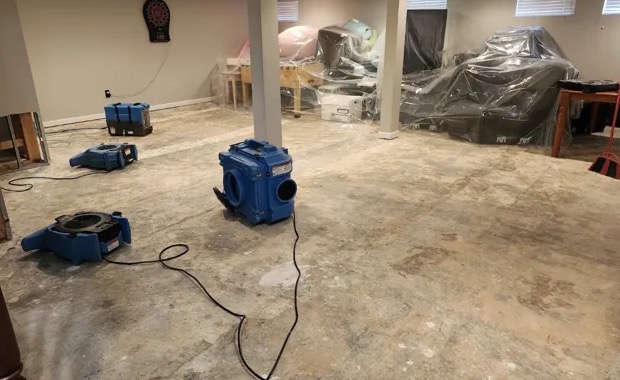
Temperature-Controlled Drying by Local Moisture Control Experts in Jacksonville
In Jacksonville, the air itself can slow drying. Local pros run industrial dehumidifiers to strip moisture from the air so wet materials dry faster.
In Jacksonville and nearby Grand Crossing, Bellair-Meadowbrook Terrace and Orange Park, local pros map moisture in walls and subfloors, then fit thermal drying and humidity control to the materials in the building.
Advanced Temperature-Controlled Drying Techniques in Jacksonville
Thermal Drying for Water Damage
The pros raise the room temperature in a controlled way to drive moisture out of dense materials like concrete slabs and beams, watching readings the whole time.
Drying Equipment Deployment
The pros choose the mix of air movers, dehumidifiers and heaters from the size of the area, the materials and the moisture levels, then set it up to run safely.
Air Mover Placement for Drying
The pros plan placement around furniture and walls, and may build air dams or blow air into cavities to cut drying time in Jacksonville homes.
Climate-Controlled Drying Systems
The pros set up systems that control temperature, humidity and airflow together, adjusting them as moisture readings change.
Moisture Mapping
Moisture mapping uses penetrating and non-penetrating meters to document water migration. This creates a blueprint of wet areas, including hidden moisture behind walls.
Indicators for Temperature-Controlled Drying in Jacksonville Properties
Cold, Damp Feeling in a Room
A room feels noticeably colder and damper than the rest of the house. This sensation is often due to evaporative cooling from wet materials.
Paint Peeling or Bubbling Up
Paint loses adhesion and forms bubbles or peels away from the wall. This failure is caused by moisture trapped beneath the paint film.
High Humidity Readings Inside
A hygrometer showing unusually high indoor humidity after water damage means the building is still wet.
Soft Drywall or Sagging Ceiling
Drywall feels spongy to the touch or a ceiling sags downward. This softness means the material is saturated and structurally compromised.
How Temperature-Controlled Drying Works in Jacksonville
Step 1: Initial Moisture Survey and Readings
Pros take baseline moisture readings across the property to plan the drying.
Step 2: Precision Air Mover Placement
Air movers are placed at set angles and distances to target specific wet materials.
Step 3: Deployment of Drying Systems
Dehumidifiers are sized to the moisture load and the size of the space.
Step 4: Ongoing Monitoring and Adjustment
Equipment is moved and adjusted as materials dry, so drying keeps moving.
Typical Reasons for Drying Needs in Jacksonville
Poor Ventilation After a Flood
Closing up a wet room traps humid air, which slows drying and lets moisture soak further into materials.
Undetected Plumbing Leaks
A slow drip behind a wall or under a slab saturates materials over time.
Inadequate Initial Water Extraction
Water left behind after a leak or flood moves into subfloors and walls, where it is harder to dry.
HVAC System Condensation Issues
A clogged condensate drain line causes an overflow inside the air handler. This water can soak insulation and ductwork, creating a hidden moisture issue.
Temperature-Controlled Drying for Homes and Businesses in Jacksonville
Residential Temperature-Controlled Drying
In condos and apartments, containment barriers and negative air machines keep moisture from moving into neighboring units while drying runs.
Commercial Temperature-Controlled Drying
Restaurants and food service businesses need rapid, sanitary drying to comply with health regulations after a water event. The pros use specialized equipment and antimicrobial treatments during the drying process.
When to Hire Local Pros for Temperature-Controlled Drying in Jacksonville
For a small, recent water spill, use towels to blot surface water and improve air circulation with fans. If water soaks into porous materials like drywall or carpet padding, contact the experts.
What Affects Temperature-Controlled Drying Cost in Jacksonville
In Jacksonville, cost depends on how far the moisture spread and how many rooms need drying equipment and monitoring.
Access and Logistics
Challenging site access in Jacksonville can complicate equipment deployment and placement, potentially increasing setup time and labor requirements.
Equipment Needs
The number and type of air movers, dehumidifiers and heaters used affect the cost.
Structural Material Types
Porous materials like concrete or dense wood require more aggressive drying strategies and extended monitoring, influencing the project timeline and cost.
Does Insurance Cover Temperature-Controlled Drying?
The pros in Jacksonville provide thorough documentation including moisture mapping data to support a homeowner's claim. Coverage decisions belong to the insurer, so property owners should confirm with their provider.
Advantages of Hiring Local Pros in Jacksonville for Temperature-Controlled Drying
Structural Drying
The focus is on quickly extracting moisture from structural components to minimize warping, swelling, or the potential for mold growth.
Targeted Thermal Drying
Applying directed heat energy safely accelerates the drying of dense materials, reducing the overall timeline for the restoration project.
Comprehensive Drying Logs
Detailed, chronological logs of moisture readings and equipment settings provide a transparent record of the entire temperature-controlled drying process.
24/7 Emergency Temperature-Controlled Drying in Jacksonville
Wet walls and floors keep getting worse until they are dried. Call the pros at (904) 526-8330 to set up drying equipment.
Call Now (904) 526-8330Temperature-Controlled Drying for Jacksonville and Surrounding Regions
Controlled drying with detailed drying logs is available in Jacksonville, and near Grand Crossing, Bellair-Meadowbrook Terrace and Orange Park.
- Temperature-Controlled Drying in Grand Crossing
- Temperature-Controlled Drying in Bellair-Meadowbrook Terrace
- Temperature-Controlled Drying in Orange Park
- Temperature-Controlled Drying in Fruit Cove
- Temperature-Controlled Drying in Lakeside
- Temperature-Controlled Drying in Atlantic Beach
- Temperature-Controlled Drying in Neptune Beach
- Temperature-Controlled Drying in Jacksonville Beach
- Emergency Damage Restoration in 32099
- Storm Damage Restoration in 32099
- Water Damage Restoration in 32099
- Water Extraction Service in 32099
- Water Leak Detection in 32099
- Water Removal Service in 32099
- Emergency Damage Restoration in 32201
- Storm Damage Restoration in 32201
Common Temperature-Controlled Drying Questions Answered
How long does the temperature-controlled drying process take?
It depends on the damage, the materials and the conditions. Pros monitor readings and stop when moisture goals are met.
What are water damage drying logs used for?
Drying logs are detailed records of moisture readings, equipment settings, and progress; they provide documentation for the restoration process and are often required for insurance claims.
When is climate-controlled drying necessary versus regular drying?
Climate-controlled drying is necessary for severe losses, sensitive materials, or when precise environmental control is needed to prevent damage, unlike simple air drying for minor spills.
What should a property owner do while waiting for help with drying?
If safe, remove obvious standing water with a mop or towels, move dry contents away from the wet area, and avoid using household fans which can spread contaminants.
Why is moisture mapping important for drying?
Sensors measure moisture across the affected area to show exactly where it is wet, so equipment is aimed at the right spots.