Everett, GA · Glynn County
Temperature-Controlled Drying in Everett, GAAir Mover Placement For Drying & Humidity Control For Restoration
Local moisture control experts provide Temperature-Controlled Drying in Everett, featuring drying equipment deployment, water damage drying logs, and moisture mapping for precise water damage recovery.
Answered 24/7
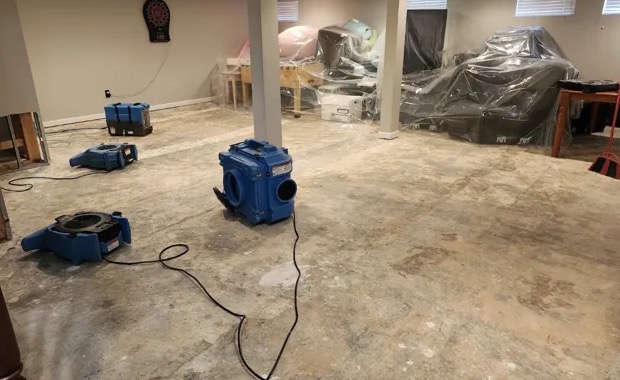
Expert Temperature-Controlled Drying Services in Everett, Georgia
In Everett, moisture that dries unevenly can warp materials and leave hidden mold. Local pros control heat and airflow so drying is even and does not cause more damage.
In Everett and nearby Dock Junction, Country Club Estates and Brunswick, local pros take baseline moisture readings, then run air movers and dehumidifiers and log moisture levels as they drop.
Temperature-Controlled Drying Methods Available in Everett
Air Mover Placement for Drying
The experts plan placement around furniture and walls, and may build air dams or blow air into cavities to cut drying time in Everett homes.
Humidity Control for Restoration
Dehumidifiers lower the dew point in the affected area, so materials give up their moisture more easily.
Water Damage Drying Logs
The experts in Everett maintain drying logs as an official record. This data tracks moisture reduction over time and informs any needed adjustments to the drying strategy.
Rapid Structural Drying Services
Fast structural drying uses high-velocity air movers, industrial dehumidifiers and sometimes heat, so families in Everett can return home sooner and mold does not start.
Moisture Mapping
The experts take moisture readings at many points and depths to map every wet area and set drying goals, so nothing is missed.
Symptoms Needing Temperature-Controlled Drying in Everett
Paint Peeling or Bubbling Up
Paint loses adhesion and forms bubbles or peels away from the wall. This failure is caused by moisture trapped beneath the paint film.
Soft Drywall or Sagging Ceiling
Drywall feels spongy to the touch or a ceiling sags downward. This softness means the material is saturated and structurally compromised.
High Humidity Readings Inside
A hygrometer showing unusually high indoor humidity after water damage means the building is still wet.
Cold, Damp Feeling in a Room
A room feels noticeably colder and damper than the rest of the house. This sensation is often due to evaporative cooling from wet materials.
How Temperature-Controlled Drying Works in Everett
Step 1: Assessment and Moisture Detection
The pros perform a thorough assessment using thermal imaging and moisture meters. This identifies the full extent of damage, guiding the drying plan.
Step 2: Containment and Airflow Strategy
Plastic barriers close off the wet area so humidity can be controlled, and air movers are placed to move air across wet materials.
Step 3: Thermal Drying System Activation
Specialized thermal drying equipment is activated to gently raise the air temperature in the space.
Step 4: Verification and Structural Drying Completion
Readings are compared with dry areas of the building to confirm drying is complete.
Causes of Persistent Dampness Requiring Controlled Drying in Everett
Poor Ventilation After a Flood
Closing up a wet room traps humid air, which slows drying and lets moisture soak further into materials.
Storm-Driven Water Intrusion
Heavy rain overflows gutters or gets in around windows and soaks framing and insulation.
Overflowing Sinks or Bathtubs
A simple blockage or forgetfulness leads to an overflow event. Water spreads quickly, soaking cabinetry and flooring, and requires thorough drying equipment deployment.
Undetected Plumbing Leaks
A slow drip behind a wall or under a slab saturates materials over time.
Temperature-Controlled Drying for All Property Types in Everett
Residential Temperature-Controlled Drying
At home, moisture hides in attics, crawl spaces and behind finished walls. Pros map it before setting up equipment so the whole house dries.
Commercial Temperature-Controlled Drying
In offices, schools and clinics, pros use quieter drying equipment that can run in occupied spaces, and document when drying is complete.
When to Hire Moisture Control Experts for Temperature-Controlled Drying in Everett
For a small, recent water spill, use towels to blot surface water and improve air circulation with fans. If water soaks into porous materials like drywall or carpet padding, contact the experts.
Investing in Professional Temperature-Controlled Drying in Everett
In Everett, cost depends on the size of the wet area and how aggressive the drying must be.
Documentation Requirements
Detailed drying logs and moisture reports for insurance take extra time to prepare.
Humidity Control Measures
Controlling humidity in tight spaces often takes specialized drying equipment and frequent adjustments.
Structural Material Types
Porous materials like concrete or dense wood require more aggressive drying strategies and extended monitoring, influencing the project timeline and cost.
Does Insurance Cover Temperature-Controlled Drying?
Many homeowner policies cover temperature-controlled drying when it stems from a sudden, covered peril like a burst pipe. The experts document all damage with photos and moisture readings for your claim submission.
Advantages of Hiring Local Experts in Everett for Temperature-Controlled Drying
Climate-Controlled Drying Systems
Heat and humidity are kept at set levels so materials dry faster without cracking or warping.
Comprehensive Drying Logs
Detailed, chronological logs of moisture readings and equipment settings provide a transparent record of the entire temperature-controlled drying process.
Strategic Equipment Deployment
Air movers and dehumidifiers are placed according to a plan for even airflow and low humidity.
Emergency Moisture Control in Everett
Fast drying limits damage to walls and floors. Call (904) 526-8330 anytime, day or night, to get drying equipment set up in Everett.
Call Now (904) 526-8330Temperature-Controlled Drying in Everett and Other Areas Served
The places below are also served, and each one has its own page.
- Temperature-Controlled Drying in Dock Junction
- Temperature-Controlled Drying in Country Club Estates
- Temperature-Controlled Drying in Brunswick
- Temperature-Controlled Drying in Waverly
- Temperature-Controlled Drying in St. Simons
- Temperature-Controlled Drying in Waycross
- Temperature-Controlled Drying in Blackshear
- Temperature-Controlled Drying in Wellborn
Temperature-Controlled Drying Information and FAQs
Is temperature-controlled drying safe for electronics or artwork?
Yes, when the pros use low heat and careful humidity control, it can be safe for drying sensitive materials and belongings.
How is drying progress verified during moisture monitoring?
Progress is verified by taking comparative moisture readings with penetrating and non-penetrating meters over time, ensuring levels drop to established dry standards for each material.
Can temperature-controlled drying prevent mold growth?
By rapidly removing moisture and controlling humidity, the process creates an environment where mold cannot thrive, significantly reducing the potential for mold.
What does drying equipment deployment involve?
Pros assess the loss, calculate how much equipment is needed and place air movers, dehumidifiers and sometimes heaters.
What is the strategy behind air mover placement?
They are angled to move air across wet surfaces in a pattern, so moisture evaporates into the air where dehumidifiers can capture it.