Asbury Lake, FL · Clay County
Roof Leak Water Removal in Asbury Lake, FLWet Contents Protection & Emergency Roof Tarping
When rain gets into an Asbury Lake attic, roof leak water removal means emergency roof tarping, attic water extraction and structural drying services.
Answered 24/7
Help With Roof Leak Water Damage in Asbury Lake
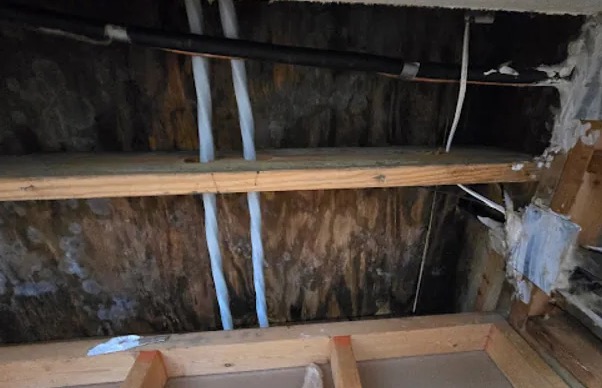
Water from a roof leak lands on the ceiling first. Drywall can hold only so much before it sags, so getting water out of the attic quickly protects the room below.
Roof leak water removal is available in Asbury Lake and nearby Middleburg, Penney Farms and Lakeside. The pros tarp the opening if needed, extract the water and dry the attic framing and ceiling drywall.
Roof Leak Water Removal Work in Asbury Lake
Wet Contents Protection
Wet contents are sorted into items that can be dried and items that cannot. A photo list of each is kept for the insurance claim.
Emergency Roof Tarping
Tarping is a stopgap. It keeps the next rain out of the attic and ceilings until a roofer can replace the decking, flashing or shingles.
Leak Source Identification
Photos of the entry point, the wet decking and the path of the water give the roofer and your insurer a clear record of the leak.
Structural Drying Services
Drying a roof leak means drying wood, not just air. The pros track moisture in the sheathing and framing and adjust the setup until the numbers drop.
Wet Insulation Removal
Wet insulation loses its value and flattens. Removing it exposes the ceiling drywall and joists so air movers and dehumidifiers can reach them.
How to Tell Water Is Coming Through the Roof
Dark Spots on Attic Wood
Dark streaks or spots on rafters and roof decking show where water has been running or sitting for a while.
Rusty Nails in the Attic
Rust on roofing nails or metal straps in the attic means moisture has been collecting there over many rains.
Musty Smell After Rain
A damp, musty smell that gets stronger after storms often means insulation in the attic is staying wet.
Sagging or Bulging Drywall
A ceiling that bulges or feels soft is holding water. It can give way, so keep people and pets out of the room.
How Roof Leak Water Removal Works in Asbury Lake
Step 1: Assess the Leak
The pros look at the roof, attic and ceilings to see how long the leak has been running and what it has soaked.
Step 2: Remove Water and Debris
Water, wet insulation and fallen drywall are cleared out so the attic and room below can dry evenly.
Step 3: Clean Wet Surfaces
Wood and drywall that stayed wet for a day or more are cleaned and treated before drying to limit odor and mold.
Step 4: Monitor Until Dry
Readings are taken on each visit and the equipment is moved as areas dry, until every wet spot reaches its target.
Where Roof Leaks Start in Asbury Lake
Damaged or Missing Shingles
Wind, age and impact lift or tear shingles and leave the underlayment exposed, so rain soaks straight into the decking.
Open Roof Valleys
Valleys carry the most water on a roof. Worn or poorly sealed valleys let that concentrated flow into the decking.
Worn Flashing
Flashing around chimneys, skylights and wall joints can crack, rust or pull loose, and water runs in along the gap.
Skylight Seals
Skylight gaskets and curb flashing wear out, and water runs into the shaft and down the drywall around the opening.
Home and Business Roof Leak Cleanup in Asbury Lake
Residential Roof Leak Water Removal
In Asbury Lake, a census-designated place in Clay County, a roof leak in a home usually means a wet attic, a stained bedroom or hallway ceiling and soaked insulation. The pros dry each layer and photograph the damage for your claim.
Commercial Roof Leak Water Removal
On commercial buildings with flat roofs, water can spread across a drop ceiling before it shows. The pros remove wet ceiling tiles, extract the water and dry the space around business hours.
When a Roof Leak Is Too Big for DIY
Take photos and video of the ceiling, attic and wet belongings before anything is moved or thrown out. Your insurer will want them for the claim.
Factors in Roof Leak Water Removal Cost in Asbury Lake
The cost of roof leak water removal in Asbury Lake depends on how much of the attic and ceiling got wet, how much insulation must come out and how many days drying takes.
Belongings in the Way
Moving and drying furniture, stored boxes and electronics under the leak adds time to the job.
How Long It Leaked
A leak caught during the first storm usually means less wet material than one that has been dripping into the attic for weeks.
Attic Access
Low, tight attics with little floor to stand on take longer to work in than open attics with a walkway.
Does Insurance Cover Roof Leak Water Removal?
Insurance may pay for water removal and drying after a covered roof leak, while the roof repair is handled under different terms. Check your policy and deductible.
Why Call Local Pros for Roof Leak Water Removal in Asbury Lake
Records for Your Claim
Photos, readings and a materials list give your adjuster a clear picture of what the roof leak damaged.
Wet Insulation Handled
Soaked insulation is bagged and removed so the ceiling and framing can dry instead of staying damp under it.
One Job, Start to Finish
Tarping, extraction, insulation removal and drying happen in order, so each step is not left waiting on another company.
Emergency Attic Water Removal in Asbury Lake
A sagging ceiling can come down without warning. Keep people out of the room and call (904) 526-8330 for emergency roof leak water removal in Asbury Lake.
Call Now (904) 526-8330Roof Leak Water Removal Services Throughout Clay County
A stained ceiling in Asbury Lake often means water is sitting in the attic. Local roof leak water removal pros help homes here and in nearby Middleburg, Penney Farms and Lakeside.
- Roof Leak Water Removal in Middleburg
- Roof Leak Water Removal in Penney Farms
- Roof Leak Water Removal in Lakeside
- Roof Leak Water Removal in Fleming Island
- Roof Leak Water Removal in Oakleaf Plantation
- Roof Leak Water Removal in Doctor's Inlet
- Roof Leak Water Removal in Green Cove Springs
- Roof Leak Water Removal in Orange Park
Roof Leak Water Removal FAQs
How do the pros find where a roof is leaking?
They trace the water from the stain up into the attic, follow it along the rafters and decking, and use moisture meters to find the entry point.
Why should rainwater be removed from the attic quickly?
Water in the attic soaks through the ceiling into the rooms below and keeps the framing wet. Removing it early limits drywall and insulation losses.
What happens after the water is removed?
Drying equipment runs and the pros take readings until the attic and ceiling are dry. Then the roofer and drywall repairs can go ahead.
How is water removed from an attic?
Standing water is pulled out with wet vacuums and extractors, then soaked insulation is removed so the ceiling and framing can be dried.
Does every roof leak lead to mold?
No. Mold needs materials to stay wet for a day or more. When water is removed and the attic is dried promptly, mold usually does not take hold.