Switzerland, FL · Saint Johns County
Rapid Structural Drying in Switzerland, FLWall Cavity Drying & Concrete Slab Drying
Rapid Structural Drying in Switzerland involves emergency structural drying, wall cavity drying, and flood drying services from restoration pros.
Answered 24/7
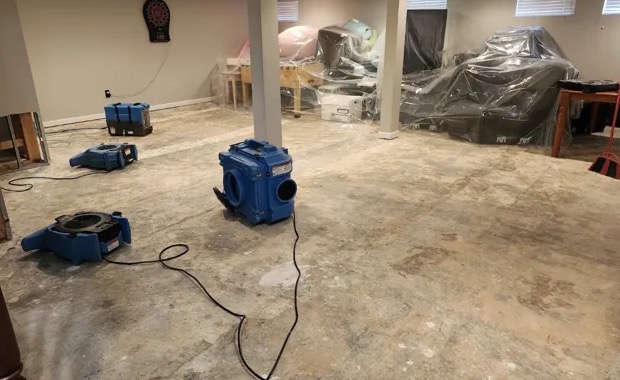
Reliable Rapid Structural Drying Available in Switzerland
Wall cavities act as hidden reservoirs for water after a leak. Insulation and framing inside walls hold moisture long after surface water is gone.
In the Switzerland area, structural moisture removal is a priority for maintaining safe and sound homes. The pros serve the broader area, including communities near Fruit Cove, Fleming Island and Orangedale.
Comprehensive Rapid Structural Drying Solutions
Wall Cavity Drying
Addressing moisture within walls involves specific drying methods for studs and insulation. Moisture meters track progress, verifying that wall cavities are dry before any restoration work in Switzerland.
Concrete Slab Drying
After a major flood, a concrete floor often holds significant moisture. Drying the slab prevents future problems with flooring and humidity.
Subfloor Drying
Wet subfloors can warp, swell, and compromise the floor system. Drying removes moisture from plywood or OSB, often requiring lifted flooring sections to allow direct airflow from above and below.
Flood Drying Services
Major flooding requires comprehensive drying strategies. The process scales up extraction and drying equipment to manage the volume of water involved, focusing on structural integrity first.
Emergency Structural Drying
The priority after water damage is rapid drying. Powerful drying systems are then activated to aggressively remove water vapor and protect the building's integrity.
When Rapid Structural Drying Is Needed
Recent Plumbing Leak or Flood
Any recent leak or flood can leave water inside walls and floors even after surfaces look dry.
Soggy or Spongy Drywall
Drywall that feels soft to the touch has absorbed a lot of water and needs drying right away.
Visible Water Stains on Walls
Yellow or brown stains on drywall or ceilings mean water got into the material and may still be inside.
Damp Spots on Concrete Floors
Persistent dampness on a concrete slab can leave white mineral deposits and loosen flooring adhesive.
How Rapid Structural Drying Works in Switzerland
Step 1: Site Evaluation for Hidden Moisture
The service starts with a thorough evaluation using probes and sensors to locate all hidden moisture within wall cavities, subfloors, and concrete slabs.
Step 2: Deployment of Industrial Drying Systems
Commercial dehumidifiers and air movers are set up to pull water out of dense materials like hardwood and framing.
Step 3: Active Wall and Subfloor Drying Cycle
An active drying cycle begins, with equipment running continuously to evaporate and extract moisture, focusing on wall cavity and subfloor drying.
Step 4: Assurance of Complete Moisture Removal
Before concluding, pros verify complete moisture removal with final checks, ensuring the structure is protected from future mold or rot issues.
What Leads to Needing Rapid Structural Drying
Poor Ventilation in Enclosed Spaces
Inadequate airflow in crawl spaces or wall cavities traps moisture, promoting rot and mold that experts must address.
Roof Leaks From Storm Damage
Wind-driven rain or damaged shingles allow water to infiltrate attics and wall cavities, leading to widespread structural moisture.
Overflowing Sinks or Bathtubs
A bathroom overflow can send water under flooring and into wall cavities, where it stays hidden.
Burst Pipes or Plumbing Failures
A burst pipe can release hundreds of gallons, soaking drywall, subfloors and framing well beyond the room where it broke.
Rapid Structural Drying for All Property Types in Switzerland
Residential Rapid Structural Drying
In homes, rapid structural drying targets moisture trapped in walls, under floors, and in crawl spaces after a leak.
Commercial Rapid Structural Drying
For businesses, commercial structural drying minimizes downtime after water damage. The pros focus on large-scale moisture removal from concrete slabs, interior wall cavities, and office subfloors using high-capacity equipment to get operations back to normal.
The Risks of Attempting Rapid Structural Drying Yourself
Watch the indoor humidity with a hygrometer if you have one. Running your air conditioner can lower humidity for a while, but it will not dry wet walls or subfloors.
Rapid Structural Drying Cost in Switzerland, FL
Several factors determine rapid structural drying cost for a home in Switzerland. The primary considerations are the square footage affected and the complexity of accessing wet structural components like crawl spaces or concrete slabs.
Access and Complexity
Difficult-to-reach areas like tight crawl spaces or behind finished walls add labor time to the emergency structural drying process.
Water Contamination Category
Clean water from a broken pipe is simpler to address than contaminated flood water, which requires more extensive safety and drying protocols.
Required Drying Equipment
The number and type of industrial air movers, dehumidifiers, and moisture meters deployed for structural moisture removal influence operational costs.
Does Insurance Cover Rapid Structural Drying?
Whether residential structural drying is covered depends on your insurer's interpretation of the cause. You are responsible for filing the claim and discussing coverage specifics with your insurance agent.
Advantages of Hiring Structural Drying Pros in Switzerland
Advanced Moisture Detection
Tools like thermal imagers and moisture meters are used for accurate moisture mapping to find hidden water.
Thorough Process Verification
Drying is monitored until moisture levels in materials meet standard dry criteria before equipment is removed.
Focus on Structural Integrity
The process prioritizes drying the building structure itself, including wall cavities and subfloors, to protect its stability.
24/7 Rapid Structural Drying When You Need It
The first 24 to 48 hours after a leak matter most for drying. If you have standing water or soaked walls, call (904) 526-8330 to start drying.
Call Now (904) 526-8330Local Rapid Structural Drying Coverage Area
Other places served are listed below, each with its own page.
- Rapid Structural Drying in Fruit Cove
- Rapid Structural Drying in Fleming Island
- Rapid Structural Drying in Orangedale
- Rapid Structural Drying in St. Johns
- Rapid Structural Drying in Green Cove Springs
- Rapid Structural Drying in Baldwin
- Rapid Structural Drying in Callahan
- Rapid Structural Drying in Palm Valley
Frequently Asked Rapid Structural Drying Questions
When is crawl space drying necessary?
Crawl space drying is necessary when flooding or high humidity saturates this enclosed area, as trapped moisture can damage foundation piers, joists, and lead to mold growth throughout the home.
What is structural dehumidification?
Structural dehumidification uses large-capacity dehumidifiers to lower the overall humidity within a building's structure, aiding the drying of materials and helping to prevent secondary water damage like mold.
How does emergency structural drying differ from regular drying?
It is drying that starts as an emergency call, often outside business hours, with equipment set up to protect the structure before materials swell or grow mold.
What happens if wall cavity drying is delayed?
Delayed wall cavity drying allows moisture to promote mold growth inside walls, degrade insulation, and potentially weaken drywall or wooden studs, leading to more extensive and invasive repairs.
Why is wall cavity drying important after a leak?
Water trapped inside wall cavities can lead to hidden mold, wood rot, and compromised insulation.