Sea Island, GA · Glynn County
Hydrostatic Pressure Water Removal in Sea Island, GAStructural Drying After Intrusion & Slab Seepage Water Removal
Hydrostatic Pressure Water Removal in Sea Island covers groundwater intrusion mitigation, wet subfloor removal and crawl space water extraction.
Answered 24/7
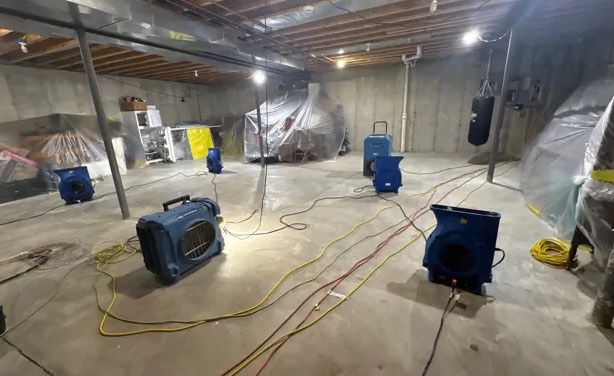
Professional Hydrostatic Pressure Water Removal in Sea Island, GA
In Sea Island homes, water pushed in by soil pressure can keep subfloors and framing damp long after the puddles are gone, which leads to rot and mold.
Hydrostatic Pressure Water Removal Services in Sea Island
Structural Drying After Intrusion
Drying equipment is placed to pull moisture out of wall cavities, subfloors and framing, not just to dry what you can see.
Slab Seepage Water Removal
When water seeps up through a slab in Sea Island, flooring may need to be lifted so the concrete can dry. Pros explain what a foundation specialist should look at.
Slab Leak Water Removal
When water comes up through a slab, it is extracted before it wicks into the walls, and the slab surface and nearby materials are dried.
Crawl Space Water Extraction
A wet crawl space is a hidden problem that can lead to mold and wood rot.
Foundation Crack Water Infiltration
Even hairline cracks can let in a lot of water when the soil is soaked. The water inside is removed, and sealing the crack is left to a foundation contractor.
Signs of Hydrostatic Pressure Water Damage in Sea Island
Mold on Baseboards
Mold along baseboards or lower walls points to ongoing moisture coming through the foundation.
Spongy or Soft Spots on Floors
Damp spots or lifting flooring on a slab can mean water is coming up from below.
Water Seeping From Foundation Walls
Water seeping at the base of foundation walls means groundwater is being pushed in by pressure from the soil.
High Indoor Humidity Levels
High humidity in lower levels that does not go away can mean water is seeping through the foundation.
How Hydrostatic Pressure Water Removal Works in Sea Island
Step 1: Initial Pressure Evaluation
The pros look at where the water came in and how wet the soil-side walls and floor are.
Step 2: Sub-Slab Water Removal
Using specialized extraction tools, pros remove water trapped beneath concrete slabs and flooring.
Step 3: Targeted Structural Drying
Drying equipment is aimed at framing, joists and sill plates so the structure dries all the way through.
Step 4: Documentation for Insurance
Moisture readings, photos and notes on the work are put together for your insurance claim.
Sources Requiring Hydrostatic Pressure Water Removal
Plumbing Leaks Under the Slab
A broken water line under the slab keeps feeding water up through the floor.
Improper Landscaping and Irrigation
Landscaping that slopes toward the house, or heavy watering near it, adds water to the soil against the foundation.
Foundation Settlement and Cracks
As a foundation settles, cracks form and give groundwater a direct path inside.
Clogged or Collapsed Footing Drains
When perimeter drains clog or fail, water has nowhere to go and presses against the walls and slab.
Hydrostatic Pressure Water Removal for All Property Types
Residential Hydrostatic Pressure Water Removal
Hydrostatic pressure damage threatens a home's structure and indoor air. In homes throughout the Sea Island area, local water removal pros remove wet subfloor, dry the structure and repair foundation crack leaks to prevent costly long-term damage.
Commercial Hydrostatic Pressure Water Removal
In businesses, groundwater in a lower level can damage stock and equipment. Local groundwater extraction specialists remove the water and dry the space to keep downtime short.
Professional Hydrostatic Pressure Water Removal or DIY Cleanup in Sea Island
If a plumbing leak may be adding to the water, shut off the main valve. Finding where groundwater enters and drying the structure takes meters and drying equipment.
Hydrostatic Pressure Water Removal Cost in Sea Island, GA
In Glynn County, the cost of foundation water removal depends on the source, such as seepage through a slab or a large crack letting water in.
Intrusion Severity
How deep the water is and how much keeps coming in decide how long extraction takes.
Required Drying Time
The number of days the structure takes to dry is a large part of the cost.
Structural Complexity
Tight crawl spaces and complex foundations make water removal and drying slower.
Does Insurance Cover Hydrostatic Pressure Water Removal?
Removing wet subfloor may be covered if the water came from a covered event. The specialists document the subfloor and why it had to come out, and your insurer decides.
The Value of Local Pros for Hydrostatic Pressure Water Removal
Focused Mitigation Planning
You get notes on where water came in, so you can plan drainage work with a contractor.
Comprehensive Moisture Mapping
Moisture meters find water in subfloors and walls so every wet area gets dried.
Methodical Cleanup Process
Each step, from extraction to final readings, is done in order so nothing is left wet.
Around-the-Clock Help for Hydrostatic Flooding in Sea Island
For 24/7 help with soaked subfloor after groundwater flooding, call (904) 526-8330. The specialists in Sea Island start with extraction and a moisture check.
Call Now (904) 526-8330Hydrostatic Pressure Water Removal in Sea Island and Other Areas Served
The places below are also served, and each one has its own page.
- Hydrostatic Pressure Water Removal in St. Simons
- Hydrostatic Pressure Water Removal in Country Club Estates
- Hydrostatic Pressure Water Removal in Brunswick
- Hydrostatic Pressure Water Removal in Jekyll Island
- Hydrostatic Pressure Water Removal in Dock Junction
- Hydrostatic Pressure Water Removal in Waverly
- Hydrostatic Pressure Water Removal in Woodbine
- Hydrostatic Pressure Water Removal in White Oak
- Emergency Damage Restoration in 31561
- Storm Damage Restoration in 31561
- Water Damage Restoration in 31561
- Water Extraction Service in 31561
- Water Leak Detection in 31561
- Water Removal Service in 31561
Frequently Asked Questions About Hydrostatic Pressure Removal
What does groundwater intrusion mitigation involve?
Removing the water, drying the structure and then, often, drainage or waterproofing work outside by a contractor.
What is included in structural water damage restoration?
Water extraction, drying, cleaning and replacing materials that groundwater or flood water damaged beyond drying.
When is wet subfloor removal necessary?
When wood subflooring is so soaked that it cannot be dried, it is removed to prevent rot and a weak floor.
Will drying stop water from coming back?
No. Drying fixes the damage that is already there. Keeping water out takes drainage, grading or waterproofing work by a contractor.
What are signs of soil pressure water intrusion?
Water seeping where the floor meets the wall, damp foundation walls and ongoing moisture in a crawl space.