Sawgrass, FL · Saint Johns County
Hydrostatic Pressure Water Removal in Sawgrass, FLSlab Leak Water Removal & Groundwater Intrusion Mitigation
Hydrostatic Pressure Water Removal in Sawgrass covers groundwater intrusion mitigation, wet subfloor removal and crawl space water extraction.
Answered 24/7
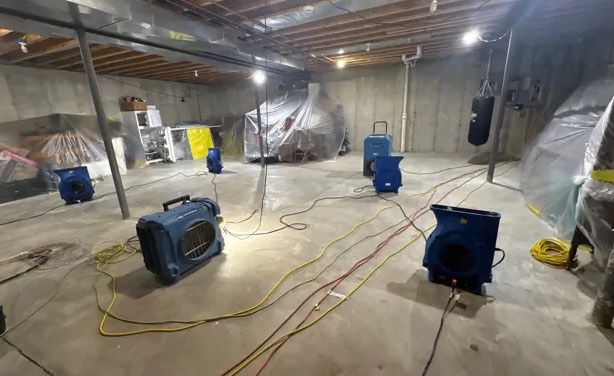
Expert Hydrostatic Pressure Water Removal Serving Sawgrass, FL
Water that keeps coming up through a slab damages flooring and keeps the lower level damp. Removing it is the water side of the job, and a structural check is a separate step for a contractor.
The Hydrostatic Pressure Water Removal Process in Sawgrass
Slab Leak Water Removal
Water pooling on a concrete slab often indicates a plumbing leak or hydrostatic pressure forcing moisture upward.
Groundwater Intrusion Mitigation
Dealing with groundwater means removing what got in and drying the space. The pros also point out grading or drainage problems outside that a contractor can fix.
Wet Subfloor Removal
The process includes cutting out affected panels, disposing of them properly, and creating a dry, stable base for the new flooring material.
Foundation Crack Water Infiltration
Water coming through foundation cracks is pushed in by soil pressure. The water that got in is extracted and the area dried, and the crack is noted for a foundation contractor.
Crawl Space Water Extraction
Pumps and extractors made for tight spaces remove water from the crawl space before any drying, encapsulation or other work can start.
Signs of Groundwater Intrusion Requiring Hydrostatic Pressure Water Removal
Gurgling Sounds From Floor Drains
Gurgling floor drains during heavy rain can mean water pressure is building in the drain lines around the house.
Spongy or Soft Spots on Floors
Damp spots or lifting flooring on a slab can mean water is coming up from below.
Mold on Baseboards
Mold along baseboards or lower walls points to ongoing moisture coming through the foundation.
High Indoor Humidity Levels
High humidity in lower levels that does not go away can mean water is seeping through the foundation.
How Hydrostatic Pressure Water Removal Works in Sawgrass
Step 1: Initial Pressure Evaluation
The pros look at where the water came in and how wet the soil-side walls and floor are.
Step 2: Sub-Slab Water Removal
Using specialized extraction tools, pros remove water trapped beneath concrete slabs and flooring.
Step 3: Targeted Structural Drying
Drying equipment is aimed at framing, joists and sill plates so the structure dries all the way through.
Step 4: Documentation for Insurance
Moisture readings, photos and notes on the work are put together for your insurance claim.
Common Causes of Water Damage in Sawgrass
Poor Exterior Drainage Systems
Clogged gutters, downspouts and poor grading send water toward the foundation, where it builds pressure in the soil.
Heavy or Prolonged Rainfall
Long periods of rain soak the soil, and the water presses against the foundation until it finds a way in.
Failed or Missing Waterproofing
Worn exterior coatings or membranes let groundwater reach the foundation wall directly.
Soil Expansion and Contraction
Clay soil swells when wet, adding pressure on foundation walls and opening paths for water.
Hydrostatic Pressure Water Removal for Homes and Businesses in Sawgrass
Residential Hydrostatic Pressure Water Removal
Hydrostatic pressure damage threatens a home's structure and indoor air. In homes throughout Sawgrass, a census-designated place in Saint Johns County, local water removal pros remove wet subfloor, dry the structure and repair foundation crack leaks to prevent costly long-term damage.
Commercial Hydrostatic Pressure Water Removal
In businesses, groundwater in a lower level can damage stock and equipment. Local hydrostatic pressure experts remove the water and dry the space to keep downtime short.
Hydrostatic Pressure Water Removal: Why DIY Falls Short
Take photos and video of the damage from a safe spot for your insurance claim. Stay out of flooded areas with power still on, and let the pros handle the moisture mapping.
Hydrostatic Pressure Water Removal Cost in Sawgrass, FL
Groundwater cleanup cost around Palm Valley, Ponte Vedra Beach and Nocatee depends on how strong the pressure is, which materials are affected and how much waterproofing repair is needed.
Intrusion Severity
How deep the water is and how much keeps coming in decide how long extraction takes.
Structural Complexity
Tight crawl spaces and complex foundations make water removal and drying slower.
Required Drying Time
The number of days the structure takes to dry is a large part of the cost.
Does Insurance Cover Hydrostatic Pressure Water Removal?
Coverage for hydrostatic pressure water removal depends on your policy and what caused the water. The experts in Sawgrass take photos and moisture readings, and your insurer decides what is covered.
Benefits of Local Pros for Hydrostatic Pressure Issues
Comprehensive Moisture Mapping
Moisture meters find water in subfloors and walls so every wet area gets dried.
Methodical Cleanup Process
Each step, from extraction to final readings, is done in order so nothing is left wet.
IICRC-Standard Drying Methods
Drying the structure fully after water intrusion protects the foundation and framing from lasting damage.
Emergency Hydrostatic Pressure Water Removal in Sawgrass
Emergency groundwater intrusion cleanup is available around the clock for properties in Sawgrass, by calling (904) 526-8330. The experts pump out crawl spaces and start drying.
Call Now (904) 526-8330Hydrostatic Pressure Water Removal in Sawgrass and Other Areas Served
The places below are also served, and each one has its own page.
- Hydrostatic Pressure Water Removal in Palm Valley
- Hydrostatic Pressure Water Removal in Ponte Vedra Beach
- Hydrostatic Pressure Water Removal in Nocatee
- Hydrostatic Pressure Water Removal in Jacksonville Beach
- Hydrostatic Pressure Water Removal in Neptune Beach
- Hydrostatic Pressure Water Removal in Franklintown
- Hydrostatic Pressure Water Removal in Amelia City
- Hydrostatic Pressure Water Removal in Asbury Lake
Hydrostatic Pressure Water Removal FAQs
How long does drying take after groundwater comes in?
Most jobs take several days of drying. Waterproofing repairs, if needed, are a separate job for a waterproofing contractor.
How does foundation water removal work?
Standing water is extracted, the structure is dried with dehumidifiers and air movers, and the place where water came in is noted.
Will drying stop water from coming back?
No. Drying fixes the damage that is already there. Keeping water out takes drainage, grading or waterproofing work by a contractor.
When is wet subfloor removal necessary?
When wood subflooring is so soaked that it cannot be dried, it is removed to prevent rot and a weak floor.
What is included in structural water damage restoration?
Water extraction, drying, cleaning and replacing materials that groundwater or flood water damaged beyond drying.