Everett, GA · Glynn County
Hydrostatic Pressure Water Removal in Everett, GASlab Leak Water Removal & Structural Drying After Intrusion
Hydrostatic Pressure Water Removal in Everett covers groundwater intrusion mitigation, wet subfloor removal and crawl space water extraction.
Answered 24/7
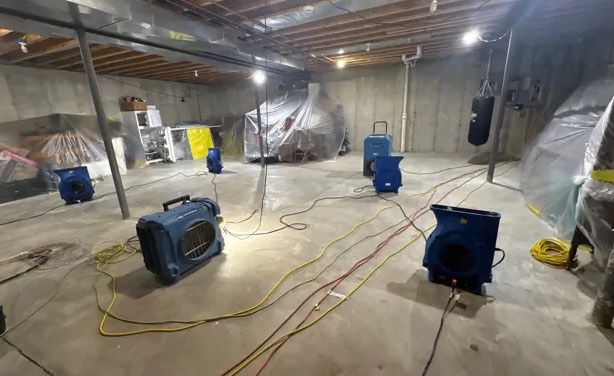
Addressing Hydrostatic Pressure Water Damage in Everett
Water that keeps coming up through a slab damages flooring and keeps the lower level damp. Removing it is the water side of the job, and a structural check is a separate step for a contractor.
Specialized Hydrostatic Pressure Water Removal for Everett
Slab Leak Water Removal
Water coming up through a slab keeps flooring damp and can swell or lift it. The water is removed and the slab and flooring dried.
Structural Drying After Intrusion
Drying equipment is placed to pull moisture out of wall cavities, subfloors and framing, not just to dry what you can see.
Foundation Crack Water Infiltration
Even hairline cracks can let in a lot of water when the soil is soaked. The water inside is removed, and sealing the crack is left to a foundation contractor.
Slab Seepage Water Removal
Groundwater pushed up through a concrete slab can leave damp spots or a thin sheet of water. It is extracted and the slab and flooring are dried.
Groundwater Intrusion Mitigation
The first step is extracting all visible water. The pros then note where water is getting in so you know what to ask a drainage contractor about.
Signs of Groundwater Intrusion Requiring Hydrostatic Pressure Water Removal
Water Seeping From Foundation Walls
Water seeping at the base of foundation walls means groundwater is being pushed in by pressure from the soil.
Gurgling Sounds From Floor Drains
Gurgling floor drains during heavy rain can mean water pressure is building in the drain lines around the house.
Mold on Baseboards
Mold along baseboards or lower walls points to ongoing moisture coming through the foundation.
Efflorescence on Concrete Surfaces
White, chalky deposits on foundation walls or the slab show water has been pushing through the concrete.
How Hydrostatic Pressure Water Removal Works in Everett
Step 1: Safety and Hazard Assessment
The area is made safe and electrical hazards are checked before any water removal starts.
Step 2: Foundation Crack Water Infiltration Stop
Water coming through cracks is managed with pumps while the area dries, and the cracks are noted for a foundation contractor.
Step 3: Advanced Drying System Setup
Desiccant dehumidifiers and injectidry systems are installed to dry deep within building materials. This equipment pulls moisture out of concrete, wood and insulation.
Step 4: Post-Restoration Integrity Check
A final check confirms the lower level is dry, and the readings are shared with you.
Sources Requiring Hydrostatic Pressure Water Removal
Poor Exterior Drainage Systems
Clogged gutters, downspouts and poor grading send water toward the foundation, where it builds pressure in the soil.
Heavy or Prolonged Rainfall
Long periods of rain soak the soil, and the water presses against the foundation until it finds a way in.
Failed or Missing Waterproofing
Worn exterior coatings or membranes let groundwater reach the foundation wall directly.
Improper Landscaping and Irrigation
Landscaping that slopes toward the house, or heavy watering near it, adds water to the soil against the foundation.
Hydrostatic Pressure Water Removal for Homes and Businesses in Everett
Residential Hydrostatic Pressure Water Removal
In homes, water through the foundation can reach framing and wiring in the lower level. Local structural drying professionals remove the water and dry the structure, and a foundation contractor handles any cracks.
Commercial Hydrostatic Pressure Water Removal
Warehouses and plants on slab floors can take on water from below. Industrial equipment removes it and dries the large floor area so work can resume.
Hydrostatic Pressure Damage: DIY Risks vs. Professional Hydrostatic Pressure Water Removal
Clearing gutters and extending downspouts away from the foundation are good steps to reduce water at the walls. If water is already coming in, call (904) 526-8330 for extraction and drying.
Understanding Hydrostatic Pressure Water Removal Expenses
The cost of removing water that comes up through a slab depends on how easy the area is to reach, how wet it is and how long drying takes.
Intrusion Severity
How deep the water is and how much keeps coming in decide how long extraction takes.
Equipment Needs
Large pumps and industrial dehumidifiers for big jobs add to the equipment cost.
Material Saturation Level
Deeply soaked subflooring or wet foundation walls need more extraction and dehumidification.
Does Insurance Cover Hydrostatic Pressure Water Removal?
Removing wet subfloor may be covered if the water came from a covered event. Local structural drying professionals document the subfloor and why it had to come out, and your insurer decides.
Selecting Local Pros for Hydrostatic Pressure Water Removal in Everett, GA
Comprehensive Moisture Mapping
Moisture meters find water in subfloors and walls so every wet area gets dried.
Focused Mitigation Planning
You get notes on where water came in, so you can plan drainage work with a contractor.
IICRC-Standard Drying Methods
Drying the structure fully after water intrusion protects the foundation and framing from lasting damage.
Around-the-Clock Help for Hydrostatic Flooding in Everett
Drying after groundwater gets in starts with a call to (904) 526-8330. The professionals are available 24/7 in Everett to remove the water and set up drying.
Call Now (904) 526-8330Hydrostatic Pressure Water Removal in Everett and Other Areas Served
Each place listed below has its own page with local details.
- Hydrostatic Pressure Water Removal in Dock Junction
- Hydrostatic Pressure Water Removal in Country Club Estates
- Hydrostatic Pressure Water Removal in Brunswick
- Hydrostatic Pressure Water Removal in Waverly
- Hydrostatic Pressure Water Removal in St. Simons
- Hydrostatic Pressure Water Removal in Waycross
- Hydrostatic Pressure Water Removal in Blackshear
- Hydrostatic Pressure Water Removal in Wellborn
Hydrostatic Pressure Water Removal FAQs
What are signs of soil pressure water intrusion?
Water seeping where the floor meets the wall, damp foundation walls and ongoing moisture in a crawl space.
Can crawl space water extraction prevent mold?
Removing the water quickly and drying the crawl space fully takes away the moisture mold needs, which keeps it from starting.
What equipment is used for groundwater extraction?
Groundwater extraction uses submersible pumps for deep water, wet-dry vacuums for shallow flooding, and specialized extractors for under-slab water removal.
How long does drying take after groundwater comes in?
Most jobs take several days of drying. Waterproofing repairs, if needed, are a separate job for a waterproofing contractor.
What is structural drying after intrusion?
It is drying the concrete, wood and other building materials after groundwater or flood water gets inside.