Jacksonville, FL · Duval County
Gross Filth Cleanup in Jacksonville, FLBiohazard Site Sanitization & Hoarding Cleanup Services
Gross Filth Cleanup in Jacksonville includes sewage backup cleanup, biohazard debris removal and blood spill cleanup.
Answered 24/7
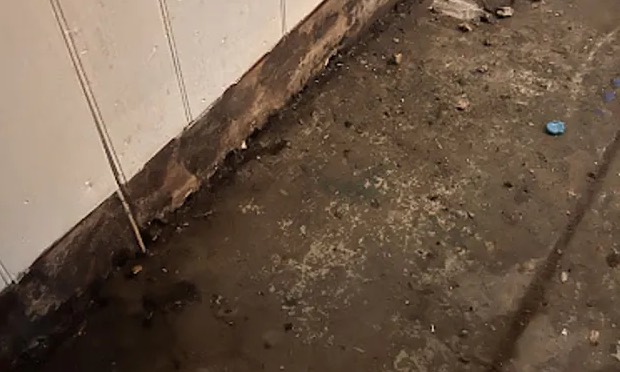
Get Help with Gross Filth Cleanup in Jacksonville, FL
In Jacksonville, gross filth cleanup restores a property after a traumatic incident. Biohazards such as blood or decomposition residues present unique challenges that go beyond visible dirt.
Gross filth cleanup is available in Jacksonville and nearby areas like Grand Crossing, Bellair-Meadowbrook Terrace and Orange Park. Hoarding or sewage backups need cleanup to prevent more damage. Local biohazard cleanup experts follow set procedures for removal and sanitizing. The specialists in Jacksonville remove only what cannot be saved and clean or restore the rest whenever practical.
Detailed Gross Filth Cleanup Work in Jacksonville
Biohazard Site Sanitization
Final sanitizing makes the property safe to enter. This involves the application of disinfectants with specific dwell times, potentially followed by air scrubbing or ozone treatment to eliminate any remaining airborne biological contaminants.
Hoarding Cleanup Services
Addressing severe hoarding situations involves more than just trash removal; it's about restoring a safe living environment. The specialists in Jacksonville remove debris, soiled materials and biohazards, then sanitize the whole space.
Biohazard Vomit Feces Cleanup
Vomit or feces contamination demands a thorough biohazard response. Hazardous material removal is followed by a deep clean using enzymatic solutions.
Biohazard Debris Removal
The process of removing contaminated materials is a foundational step in any gross filth cleanup. It requires careful handling, proper PPE, and adherence to disposal guidelines for biohazardous waste to protect both workers and the property's future occupants.
Decomposition Odor Removal
Odors from decomposition are notoriously difficult to remove with ordinary cleaning. The process involves source removal, followed by advanced oxidative treatments like ozone or hydroxyl radical technology to break down odor-causing compounds in the air and surfaces.
Red Flags Calling for Gross Filth Cleanup
Hoarded Clutter and Debris
Clutter that makes rooms unusable or blocks exits is a safety risk and needs professional hoarding cleanup.
Vomit and Feces Contamination
Biohazard vomit feces cleanup is needed for areas soiled by bodily fluids and excrement.
Animal Waste Infestation
Large amounts of animal waste cleanup are necessary after rodent or pest infestations in a property.
Blood Spills or Stains
Any blood spill, small or large, needs biohazard cleaning to remove pathogens safely.
How Gross Filth Cleanup Works in Jacksonville
Step 1: Emergency Containment Setup
On site, the specialists establish containment barriers. This keeps contamination contained during cleanup.
Step 2: Specialized Waste Extraction
All biohazard debris, including materials from animal waste cleanup, is extracted and bagged for disposal. This removes the immediate health hazard.
Step 3: Aggressive Chemical Scrubbing
Affected areas are scrubbed hard with hospital-grade disinfectants to remove all traces of blood, vomit and feces.
Step 4: Environmental Verification Testing
After cleaning, the environment is tested for residual pathogens and odors. This verification confirms the area is safe, concluding the gross filth cleanup.
How Gross Filth Cleanup Situations Begin in Jacksonville
Failed DIY Cleanup Attempts
Improper cleaning can spread contamination, turning a small issue into a full contaminated site cleanup job.
Sewer Line Backups
Sewage backup cleanup becomes necessary when blockages or floods force contaminated water into the property.
Illness or Bodily Fluid Accidents
Vomit and other infectious bodily fluids need biohazard cleaning to stop illness from spreading.
Lack of Regular Sanitization
Surfaces that have not been cleaned for a long time can build up bacteria and need professional sanitizing.
Residential and Commercial Gross Filth Cleanup in Jacksonville
Residential Gross Filth Cleanup
The specialists in Jacksonville tackle hoarded homes, performing thorough biohazard site sanitization and decontamination. They address urine cleanup and other biohazards to make a house livable again for families.
Commercial Gross Filth Cleanup
The specialists work in apartment complexes, stores and schools that have sewage backups or blood spills. Their work involves detailed documentation for property management and insurance purposes.
Gross Filth Cleanup vs. DIY: When to Call Filth Removal Specialists
When a property owner contacts local filth removal specialists, the pros create a detailed record of the damage for an insurance claim. This documentation includes photographs, moisture readings, and a written scope of work. Coverage decisions for the cleanup belong to the insurer. Property owners should confirm details with their own insurance provider.
Pricing for Gross Filth Cleanup Services in Jacksonville
In Jacksonville, the investment in gross filth cleanup for homes depends on the severity of the filth and the required post-cleanup verification. Sanitizing and odor removal add to the scope of work.
Affected Square Footage
Larger areas contaminated with filth require more time, labor, and materials to thoroughly clean, decontaminate, and restore to a safe condition.
Required Safety Protocols
High-risk situations like blood spill cleanup demand extensive personal protective equipment and specialized containment, adding to operational costs.
Structural Considerations
If filth has damaged building materials, the cost will include not just cleaning but also necessary repairs or replacements.
Does Insurance Cover Gross Filth Cleanup?
Homeowners insurance may cover gross filth cleanup in Jacksonville if a sudden peril like a pipe burst caused it. Gradual accumulation often is not covered. The specialists create a record of the damage for the insurer's review. Homeowners should consult their agent about coverage for biohazard cleaning.
The Value of Local Specialists in Jacksonville for Gross Filth Cleanup
Specialized Safety Gear
Full protective gear is used for blood, vomit and feces cleanup to prevent exposure.
IICRC-Standard Decontamination
Biohazard cleaning follows industry guidelines to remove contaminants and sanitize the site.
Comprehensive Debris Handling
Process includes safe removal and regulated disposal of all biohazard debris and contaminated materials from the property.
Emergency Gross Filth Cleanup Response for Jacksonville, FL
For gross filth cleanup in Jacksonville, such as a sewage backup or biohazard incident, call (904) 526-8330 for help. The specialists are available 24/7 to begin the containment and assessment process to address the contamination.
Call Now (904) 526-8330Nearby Areas for Gross Filth Cleanup in Jacksonville
Homeowners in Jacksonville and nearby areas like Grand Crossing, Bellair-Meadowbrook Terrace and Orange Park can access professional gross filth cleanup. The specialists handle everything from feces removal to full hoarding cleanup.
Gross Filth Cleanup FAQs
How is decomposition odor removal performed?
Decomposition odor removal uses advanced air scrubbing, sealing of affected materials, and specialized deodorizing agents to eliminate smells at their source, not just mask them.
How quickly can biohazard cleaning begin?
The specialists offer around-the-clock help and are available 24/7 to start containment and assessment of sewage, blood, or other filth emergencies.
What is included in gross filth cleanup?
Gross filth cleanup involves hazardous waste removal, deep sanitization, odor elimination, and disposal of contaminated materials, following strict safety protocols for biohazards.
What safety measures are used for hoarding cleanup?
Safety measures include personal protective equipment, site containment, methodical sorting, and safe removal pathways to clear biohazard debris and restore space.
How is a home verified clean after biohazard cleaning?
After biohazard cleaning, verification involves a visual inspection and often the use of ATP testing or similar methods to confirm pathogen levels are safe.