Everett, GA · Glynn County
Emergency Water Extraction in Everett, GAEmergency Water Damage Cleanup & Sewage Backup Cleanup
Emergency Water Extraction in Everett runs from standing water removal and emergency flood water extraction to wet drywall water removal.
Answered 24/7
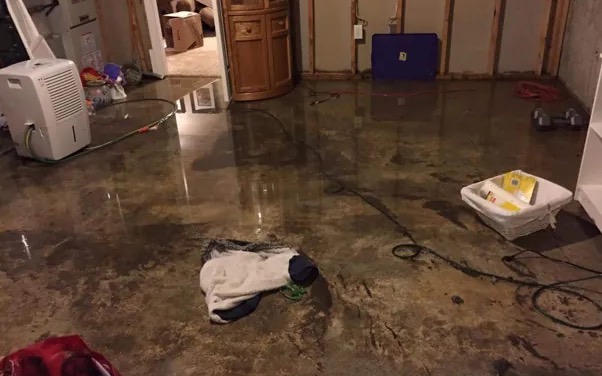
Professional Emergency Water Extraction in Everett, GA
Emergency Water Extraction in Everett comes with a record. Photos of the water, the source and the damage are taken from the start, along with moisture readings and daily drying logs.
In Everett, emergency extraction calls come at all hours. Local water removal experts serve Everett, Dock Junction, Country Club Estates and Brunswick, pumping standing water and extracting carpet and floors as soon as the source is off.
The Emergency Water Extraction Process for Everett Properties
Emergency Water Damage Cleanup
Help is available any hour, because cleanup that waits until morning usually means more materials to remove.
Sewage Backup Cleanup
Sewage cleanup is never just drying. Contaminated materials must come out first so the area is safe again.
Standing Water Removal
Standing water on any floor is pumped or extracted as soon as the source is stopped and power is made safe.
Wet Drywall Water Removal
Small holes near the base of the wall let dry air into the cavity, which dries the studs and back of the drywall.
Burst Pipe Water Extraction
Burst pipes release a lot of water fast. Extraction and drying start as soon as the pipe is shut off, before it soaks into more materials.
Red Flags for Water Damage in Everett
Soggy or Wet Carpeting
Carpet that squishes or feels cold and wet underfoot is holding water in the pad below.
Wet Insulation in Attics
Insulation in the attic that is wet or matted points to a roof leak or attic plumbing failure.
High Indoor Humidity Levels
A room that feels humid and clammy after a leak still has wet materials releasing moisture.
Musty or Damp Odors
A damp or musty smell after a leak means water is still trapped in carpet, walls or subfloor.
How Emergency Water Extraction Works in Everett
Step 1: Emergency Response Assessment
Power is made safe, sagging ceilings are checked and people are kept away from hazards.
Step 2: Water Extraction Process
Water is extracted from carpet, hard floors and low spots across every affected room.
Step 3: Targeted Drying and Dehumidification
Air movers and dehumidifiers dry the walls and subfloors where the water soaked in.
Step 4: Final Damage Documentation
Final readings confirm the structure is dry, and records are compiled for your insurer.
Typical Reasons for Emergency Water Extraction in Everett
Sewage System Backup
A blocked sewer line pushes wastewater up through floor drains, tubs and toilets.
Fire Suppression System Activation
Damaged or triggered fire sprinkler heads can soak a room or a whole floor quickly.
Human Error or Accidental Spills
Tubs and sinks left running, and other everyday accidents, can flood rooms and the floor below.
Natural Disaster Related Intrusion
Hurricanes and tropical storms bring wind-driven rain and storm surge into buildings.
Whole-Property Emergency Water Extraction in Everett, GA
Residential Emergency Water Extraction
Families often want to save carpet and flooring. Fast extraction of clean water makes that possible in many cases.
Commercial Emergency Water Extraction
Property managers with several units get separate extraction and drying records, with photos, for each affected unit or suite.
The Risks of DIY Emergency Water Extraction in Everett
Sewage and floodwater should not be cleaned up without gloves, boots and eye protection. For any backup or flood inside, call local water removal experts for safe extraction.
Understanding Emergency Water Extraction Cost in Everett
The pros check the source and the wet area before pricing emergency water extraction in Everett, then explain what will be extracted, removed and dried.
Contents and Materials
Furniture, belongings and stock that must be moved or protected add labor to the job.
Required Drying Time
Drying usually takes several days, and each extra day of equipment adds to the total.
Affected Square Footage
More square feet of wet flooring and walls means more extraction and more drying equipment.
Does Insurance Cover Emergency Water Extraction?
Coverage for emergency water extraction depends on the cause and your policy. The pros document the damage and drying, and your insurer decides what is covered.
Benefits of Local Emergency Water Extraction in Everett
Structural Drying
Walls, subfloors and framing are dried until readings are normal, not just the visible surfaces.
Documentation for Insurance
Photos, readings and drying logs are kept from the first visit to support your insurance claim.
Carpet Extraction
Weighted tools press water out of carpet and pad, giving the carpet a good chance of being saved.
Round-the-Clock Emergency Water Extraction in Everett, GA
The faster water is extracted, the more of your property can be dried instead of replaced. Call (904) 526-8330 for emergency water extraction in Everett.
Call Now (904) 526-8330Emergency Water Extraction in Everett and Other Areas Served
Each place listed below has its own page with local details.
- Emergency Water Extraction in Dock Junction
- Emergency Water Extraction in Country Club Estates
- Emergency Water Extraction in Brunswick
- Emergency Water Extraction in Waverly
- Emergency Water Extraction in St. Simons
- Emergency Water Extraction in Waycross
- Emergency Water Extraction in Blackshear
- Emergency Water Extraction in Wellborn
Frequently Asked Questions About Emergency Water Extraction
How long does drying take after extraction?
Often several days, depending on the materials, the type of water and how long it sat.
Why is professional standing water removal important?
Pumps and extractors remove water much faster than household tools, which limits how far it spreads.
Can water extraction prevent mold after a flood?
Fast extraction and drying are the main ways to keep mold from starting after a flood.
How should flood water extraction begin?
As soon as the source is stopped and power is safe. Water soaks deeper into materials every hour it sits.
What happens after the water is extracted?
Moisture readings show what is still wet, materials that cannot be saved are removed and drying equipment runs for several days.