ZIP 32229 · Jacksonville, FL · Duval County
Emergency Damage Restoration in 32229Emergency Water Extraction & Structural Drying Services
Emergency Damage Restoration in Jacksonville covers emergency water extraction, flood damage cleanup and structural drying services.
Answered 24/7
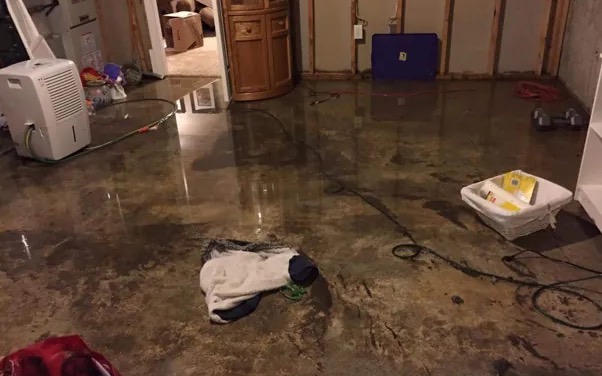
Emergency Damage Restoration Experts Serving ZIP 32229, FL
Emergency Damage Restoration in Jacksonville covers many kinds of water: clean water from a supply line, dirty water from a drain, sewage from a backup and storm water from outside. Each needs a different level of cleanup.
In Jacksonville, emergency water calls come at all hours, often after storms or plumbing failures. Local emergency damage restoration pros serve Jacksonville, Grand Crossing, Bellair-Meadowbrook Terrace and Orange Park, from water removal to drying and repairs.
Comprehensive Emergency Damage Restoration Services for 32229
Emergency Water Extraction
When water is spreading, pumps and extractors go in as soon as the source is shut off, pulling water from floors, carpet and low spots first.
Structural Drying Services
Equipment is moved each day based on readings, keeping drying focused on the areas that are still wet.
Flood Damage Cleanup
Flood cleanup treats outside water as contaminated, so floors and lower walls are cleaned and disinfected after removal.
Firefighting Water Cleanup
Rooms that got wet but not burned are dried quickly so they can be repaired rather than replaced.
Sewage Backup Cleanup
The likely cause of the backup is noted so a plumber can clear or repair the line and prevent another one.
Signs That Require Emergency Restoration in 32229
Visible Water Pooling or Dripping
Water pooling on floors or dripping from ceilings means an active leak that needs attention right now.
High Indoor Humidity Levels
A home or office that feels humid and clammy after a leak still has wet materials releasing moisture.
Peeling Paint or Blistering Wallpaper
Paint that peels or wallpaper that blisters usually has water behind it.
Mold Patches on Walls or Baseboards
Dark spots on walls, ceilings or baseboards mean an area has stayed wet for days.
How Emergency Damage Restoration Works in 32229
Step 1: On-Scene Evaluation and Triage
The most urgent areas, such as sagging ceilings or water near outlets, are handled first.
Step 2: Water Removal
Standing water is pumped out, and soaked carpet pad and drywall are removed where needed.
Step 3: Dehumidification and Moisture Control
Dehumidifiers bring humidity down while air movers keep dry air moving across wet surfaces.
Step 4: Contents Cleaning
Belongings are cleaned, dried or listed, and the space is readied for repairs.
What Causes Major Property Damage in 32229
Chronic Moisture and Condensation
Ongoing condensation and humidity slowly damage walls, ceilings and framing over time.
Natural Disaster Impacts
Hurricanes and tropical storms bring wind-driven rain and flooding into homes and businesses.
Firefighting Water
Water from hoses and sprinklers used to put out a fire soaks rooms throughout the building.
Severe Weather and Flooding
Severe storms and flooding push water into buildings through roofs, walls and doors.
Property Emergency Damage Restoration for All Buildings in 32229
Residential Emergency Damage Restoration
Homeowners dealing with storm damage may need a tarp over the roof or broken windows while the inside is extracted and dried.
Commercial Emergency Damage Restoration
Restaurants, medical offices and schools need contaminated water cleaned up to the health rules for those spaces before reopening.
Why DIY Often Fails for Emergency Damage Restoration in 32229
Take photos before cleaning anything, and keep damaged items until your adjuster sees them or approves disposal. Then call the pros for extraction and drying.
Understanding Emergency Damage Restoration Costs in 32229
The cost of emergency damage restoration in Jacksonville depends on how much water there is, what type it is and how many rooms and materials it reached.
Secondary Damage
Damage that spread because water sat for days adds more materials to remove and replace.
Affected Materials
Carpet, drywall, wood floors and cabinets each take different work to dry or replace.
Access Complexity
Multi-story buildings, crawl spaces and attics take more time to reach and work in.
Does Insurance Cover Emergency Damage Restoration?
Insurers expect you to limit further damage. Calling for extraction right away and keeping records helps show that you did.
The Value of Local Pros for Emergency Damage Restoration in 32229
Step by Step
Work follows a set order: stop the water, extract, remove what cannot be saved, dry and confirm.
Contents Care
Furniture and belongings are moved, protected and listed so they can be dried or claimed.
24/7 Emergency Response
Help is available day or night, because water emergencies cannot wait for business hours.
24/7 Emergency Damage Restoration Response for 32229 Properties
Water emergency in Jacksonville? Shut off the source, turn off power to wet areas if safe and call (904) 526-8330. Help is available 24/7.
Call Now (904) 526-8330Emergency Damage Restoration Coverage Area for 32229, FL
Help with emergency damage restoration reaches Grand Crossing, Bellair-Meadowbrook Terrace and Orange Park, plus other communities around Jacksonville, for houses, apartments and commercial buildings.
Frequently Asked Questions About Emergency Damage Restoration
What belongings can be cleaned and restored after water damage?
Hard items and solid wood often can. Soft items soaked by sewage or floodwater usually cannot.
How is hidden moisture found during an inspection?
Moisture meters and thermal cameras show water inside walls, under floors and above ceilings.
What happens during the structural drying phase?
Air movers and dehumidifiers run continuously, and readings are taken daily until materials are dry.
What makes a water damage situation an emergency?
Water that is still spreading, sewage, sagging ceilings, water near electrical systems or flooding in several rooms.
When is removal of mold needed after water damage?
When materials stayed wet long enough for mold to appear. Fast drying usually prevents it.