Woodbine, GA · Camden County
Desiccant Dehumidification in Woodbine, GAEmergency Dehumidification & Firefighting Water Drying
Desiccant Dehumidification in Woodbine runs from emergency dehumidification and flood drying services to firefighting water drying.
Answered 24/7
Professional Desiccant Dehumidification in Woodbine, GA
Large commercial buildings in Woodbine can hold a lot of moisture after a flood or sprinkler leak. High-capacity desiccant units can dry large volumes of air.
In Woodbine, desiccant drying is often used in crawl spaces and large buildings after floods. Local drying pros serve Woodbine, White Oak, Waverly and Harrietts Bluff, choosing equipment based on readings.
Comprehensive Desiccant Dehumidification for Woodbine
Emergency Dehumidification
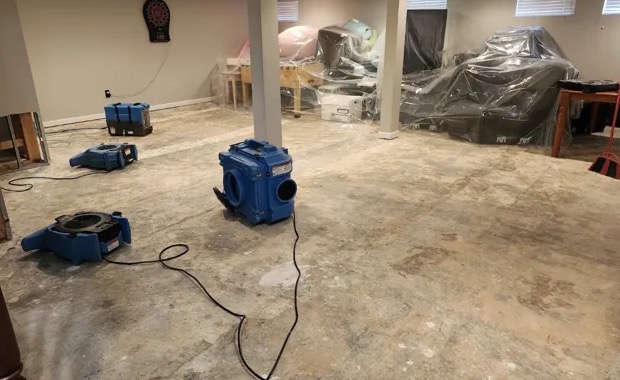
Help is available any hour to set up drying equipment after a leak or flood, so moisture does not sit overnight in materials.
Firefighting Water Drying
Firefighting water can soak several rooms at once. Large drying setups remove that moisture so repairs can begin.
Flood Drying Services
Flood drying pairs desiccant units with air movers aimed at wet materials, with readings taken every day until the structure is dry.
Crawl Space Drying
Crawl spaces are cool and damp, which suits desiccant units. Dry air is pushed in to pull moisture from the joists and subfloor.
Mold Prevention Drying
In contained work areas, desiccant dehumidifiers keep the air dry while damaged materials are removed and framing is cleaned.
Red Flags for Desiccant Dehumidification in Woodbine Properties
Wet Insulation in Attics or Walls
Insulation that is wet in attics or walls holds water against framing and slows drying.
High Humidity Readings on Meter
A hygrometer that keeps reading high humidity days after a leak shows the space is not drying.
Visible Condensation on Windows
Windows that fog or drip inside show the air holds too much moisture for materials to dry.
Active Mold Spots
Dark spots appearing on walls or ceilings mean materials stayed damp long enough for mold.
How Desiccant Dehumidification Works in Woodbine
Step 1: Initial Damage Inspection
Humidity and moisture readings are taken across the affected area to set the drying plan.
Step 2: Deployment of Drying Equipment
Desiccant or standard dehumidifiers and air movers are placed based on the space and readings.
Step 3: Monitored Drying Cycle
Readings are logged daily, and equipment is moved or adjusted as each material dries.
Step 4: Completion and Clearance
Final readings confirm materials are dry, and the space is cleared for repairs.
Typical Moisture Intrusions and Desiccant Dehumidification in Woodbine
Plumbing Leaks or Pipe Bursts
Burst pipes and leaking supply lines soak walls and floors that then need drying.
HVAC System Condensation Issues
Clogged AC drain lines overflow into attics, closets and the ceilings below them.
New Construction Moisture Trapped
New concrete, drywall mud and framing on job sites hold moisture until they are dried.
Fire Suppression System Activation
Fire sprinklers and firefighting water soak large areas of a building at once.
Both Residential and Commercial Desiccant Dehumidification in Woodbine
Residential Desiccant Dehumidification
Homes with wet attics after roof leaks may need attic drying equipment placed carefully on boards for safe footing.
Commercial Desiccant Dehumidification
Schools, offices and medical buildings may schedule equipment setup and removal after hours to limit disruption to staff and visitors.
The Limits of DIY Desiccant Dehumidification in Woodbine
Do not run drying equipment on materials soaked by sewage or floodwater before they are cleaned or removed, since that spreads contamination through the house.
Desiccant Dehumidification Cost in Woodbine, GA
Flood cleanup, crawl space access, material removal and after-hours setup all add to the total for desiccant dehumidification in Woodbine.
Type of Water Damage
Floodwater and sewage need cleaning and removal of materials before drying, which adds cost.
Time of Response
Night, weekend and holiday setup can cost more than a scheduled weekday visit.
Additional Restoration Steps
Extraction, material removal and cleaning before drying are separate steps that add to the total.
Does Insurance Cover Desiccant Dehumidification?
Photograph wet areas before drying begins and keep receipts for emergency extraction, drying equipment and any hotel stay during the work.
The Value of Local Pros for Desiccant Dehumidification in Woodbine
Damage Assessment
The full affected area is checked, including rooms next to and below the source.
Desiccant Equipment
Desiccant units are used where they fit, such as cool spaces, crawl spaces and large buildings.
Post-Flood Drying
Floodwater cleanup is followed by drying that continues until readings are normal.
Emergency Desiccant Dehumidification Response for Woodbine
The sooner drying starts, the fewer materials need replacing. Call (904) 526-8330 for desiccant dehumidification in Woodbine right after a leak or flood.
Call Now (904) 526-8330Desiccant Dehumidification Coverage for Woodbine and Beyond
Besides Woodbine, local drying pros handle desiccant and standard drying in nearby White Oak, Waverly and Harrietts Bluff.
- Desiccant Dehumidification in White Oak
- Desiccant Dehumidification in Waverly
- Desiccant Dehumidification in Harrietts Bluff
- Desiccant Dehumidification in Kingsland
- Desiccant Dehumidification in Kings Bay Base
- Desiccant Dehumidification in St. Marys
- Desiccant Dehumidification in Jekyll Island
- Desiccant Dehumidification in Dock Junction
- Emergency Damage Restoration in 31569
- Storm Damage Restoration in 31569
- Water Damage Restoration in 31569
- Water Extraction Service in 31569
- Water Leak Detection in 31569
- Water Removal Service in 31569
Common Desiccant Dehumidification Questions Answered
Why use desiccant drying after a fire?
Firefighting water soaks large areas, and high-capacity drying helps remove that moisture once debris is cleared.
What does water damage dehumidification include?
Taking readings, placing dehumidifiers and air movers, logging progress daily and confirming materials are dry.
What is desiccant dehumidification used for?
Drying spaces after water damage where standard dehumidifiers struggle, such as cool crawl spaces, large buildings and dense materials.
When is desiccant dehumidification a better choice than refrigerant units?
In cool spaces, very large areas or when very low humidity is needed to dry dense materials.
How is emergency dehumidification different from standard service?
It starts right after a leak or flood, any time of day, so materials do not keep soaking up moisture.