St. Augustine South, FL · Saint Johns County
Desiccant Dehumidification in St. Augustine South, FLConstruction Drying Services & Water Damage Dehumidification
Desiccant Dehumidification in St. Augustine South runs from emergency dehumidification and flood drying services to firefighting water drying.
Answered 24/7
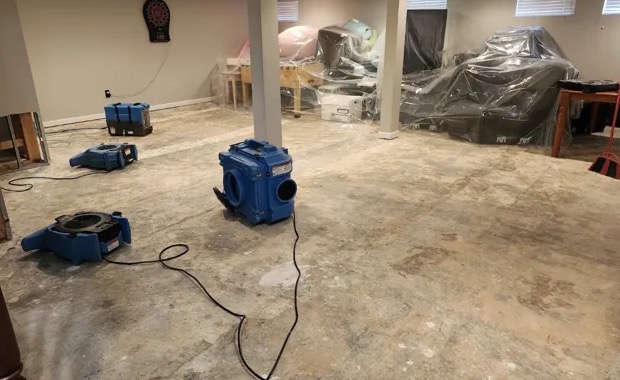
Professional Desiccant Dehumidification in St. Augustine South, FL
Desiccant Dehumidification in St. Augustine South is not needed for every job. Small leaks in warm rooms often dry well with standard dehumidifiers. Cool spaces, large buildings and dense materials are where desiccant units help most.
A flood in a large St. Augustine South building can need high-capacity drying. Local desiccant dehumidification experts serve St. Augustine South and nearby St. Augustine Shores, St. Augustine Beach and St. Augustine, with help available around the clock.
Specialized Desiccant Dehumidification in St. Augustine South, FL
Construction Drying Services
Readings on slabs and framing show when materials are dry enough for the next stage of work.
Water Damage Dehumidification
Dehumidification runs alongside air movers, and readings are taken daily until every wet material is back to normal.
Emergency Dehumidification
Help is available any hour to set up drying equipment after a leak or flood, so moisture does not sit overnight in materials.
Flood Drying Services
Flood drying pairs desiccant units with air movers aimed at wet materials, with readings taken every day until the structure is dry.
Firefighting Water Drying
After a fire, water used by firefighters soaks walls, floors and ceilings. Desiccant drying helps dry those materials once debris is cleared.
Warning Signs You Need Desiccant Dehumidification in St. Augustine South
Efflorescence on Masonry Surfaces
White, powdery deposits on masonry show water moving through concrete or block.
Visible Condensation on Windows
Windows that fog or drip inside show the air holds too much moisture for materials to dry.
Cold, Damp Feeling in Air
Air that feels cold and damp, especially in lower levels, can be too cool for standard dehumidifiers to work well.
Recent Water Damage Event
Any recent leak or flood that soaked drywall, flooring or framing needs drying beyond a household unit.
How Desiccant Dehumidification Works in St. Augustine South
Step 1: Initial Damage Inspection
Humidity and moisture readings are taken across the affected area to set the drying plan.
Step 2: Deployment of Drying Equipment
Desiccant or standard dehumidifiers and air movers are placed based on the space and readings.
Step 3: Monitored Drying Cycle
Readings are logged daily, and equipment is moved or adjusted as each material dries.
Step 4: Completion and Clearance
Final readings confirm materials are dry, and the space is cleared for repairs.
Typical Moisture Intrusions and Desiccant Dehumidification in St. Augustine South
Roof Leaks From Damaged Shingles
Roof leaks from damaged shingles soak attic insulation, roof decking and the ceilings below.
New Construction Moisture Trapped
New concrete, drywall mud and framing on job sites hold moisture until they are dried.
Foundation Cracks and Seepage
Foundation cracks let groundwater seep into lower levels, keeping walls and floors damp.
Appliance Malfunctions and Overflows
Washers, dishwashers and water heaters that leak leave wet floors, cabinets and walls.
Desiccant Dehumidification for Homes & Businesses in St. Augustine South
Residential Desiccant Dehumidification
In homes, desiccant drying is most often used in crawl spaces and cool lower levels after leaks or floods. Standard units are used in warm rooms where they work well.
Commercial Desiccant Dehumidification
In commercial buildings, high-capacity desiccant units can dry large floors and high-ceiling spaces after sprinkler leaks or floods, with drying planned around business hours.
Why DIY Falls Short for Desiccant Dehumidification in St. Augustine South
Rented desiccant units need correct setup and ducting to work well. If you are unsure how to place them or when materials are dry, call (904) 526-8330.
Investing in Desiccant Dehumidification for St. Augustine South Properties
Large commercial buildings and construction sites in St. Augustine South may need high-capacity units and ducting, which affects the total.
Number of Dehumidifiers
The number and size of dehumidifiers needed for the space is a major part of the cost.
Moisture Saturation Level
Materials that are fully soaked take longer to dry than lightly damp ones.
Type of Water Damage
Floodwater and sewage need cleaning and removal of materials before drying, which adds cost.
Does Insurance Cover Desiccant Dehumidification?
Many homeowner policies cover drying after sudden water damage, like a burst pipe, but not long-term humidity or groundwater problems. Check your policy and call your insurer early.
Benefits of Local Pros for Desiccant Dehumidification in St. Augustine South
Damage Assessment
The full affected area is checked, including rooms next to and below the source.
Large Projects
Large buildings and job sites get drying plans that keep work and business moving.
Desiccant Equipment
Desiccant units are used where they fit, such as cool spaces, crawl spaces and large buildings.
Emergency Desiccant Dehumidification Response for St. Augustine South
Crawl space or lower level wet after a storm? Call (904) 526-8330 now for desiccant dehumidification in St. Augustine South before the framing stays damp.
Call Now (904) 526-8330Desiccant Dehumidification Coverage for St. Augustine South and Beyond
Besides St. Augustine South, local desiccant dehumidification experts handle desiccant and standard drying in nearby St. Augustine Shores, St. Augustine Beach and St. Augustine.
- Desiccant Dehumidification in St. Augustine Shores
- Desiccant Dehumidification in St. Augustine Beach
- Desiccant Dehumidification in St. Augustine
- Desiccant Dehumidification in Butler Beach
- Desiccant Dehumidification in Vilano Beach
- Desiccant Dehumidification in Crescent Beach
- Desiccant Dehumidification in Armstrong
- Desiccant Dehumidification in Elkton
Desiccant Dehumidification Information: Your Questions
What are the benefits of construction drying services?
Drying slabs and drywall on schedule so flooring and finishes are not installed over damp materials.
What is the goal of flood drying services?
To remove the moisture left after floodwater is pumped out so the building can be cleaned and repaired.
How is emergency dehumidification different from standard service?
It starts right after a leak or flood, any time of day, so materials do not keep soaking up moisture.
When is desiccant dehumidification a better choice than refrigerant units?
In cool spaces, very large areas or when very low humidity is needed to dry dense materials.
Why use desiccant drying after a fire?
Firefighting water soaks large areas, and high-capacity drying helps remove that moisture once debris is cleared.