St. Augustine South, FL · Saint Johns County
Contaminated Water Removal in St. Augustine South, FLContaminated Carpet Removal & Black Water Extraction
Get contaminated water removal in St. Augustine South for sewage water cleanup, sewage backup water removal and gray water damage cleanup.
Answered 24/7
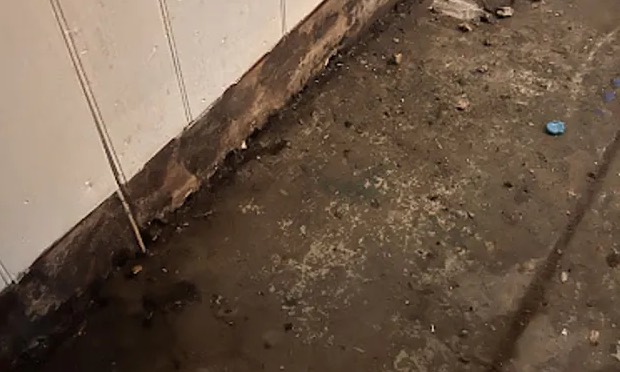
Professional Contaminated Water Removal in St. Augustine South, FL
Drying contaminated materials does not make them clean. In St. Augustine South, running fans on sewage-soaked carpet or drywall spreads odor and contamination through the house.
In St. Augustine South, many contaminated water calls start with a toilet or floor drain backup. Local contaminated water cleanup pros serve St. Augustine South, St. Augustine Shores, St. Augustine Beach and St. Augustine, cleaning up safely with protective gear.
Detailed Contaminated Water Removal Methods in St. Augustine South, FL
Contaminated Carpet Removal
Carpet and pad soaked by sewage, floodwater or old gray water are cut out, bagged and removed from the home.
Black Water Extraction
Black water, such as sewage or outside floodwater, is extracted with protective gear, and everything it touched is cleaned or removed.
Gray Water Damage Cleanup
Carpet pad soaked by gray water is usually replaced, while hard surfaces are cleaned and disinfected.
Emergency Water Mitigation
Help is available any hour, because contaminated water spreads bacteria and odor into more materials the longer it sits.
Toxic Spill Water Removal
Larger chemical or fuel spills may need a hazardous materials contractor. The pros handle the water damage once the area is safe.
Warning Signs You Need Contaminated Water Removal in St. Augustine South
Foul Odors From Standing Water
Standing water with a foul or sewage smell is contaminated and should not be touched without protection.
Sewage Backup in Home
Sewage coming up through toilets, tubs or floor drains is black water and needs protective cleanup right away.
Gray Water From Appliance Leaks
Water from a washer or dishwasher drain is gray water and needs cleaning, not just drying.
Mold After a Flood
Dark spots on walls or floors after a flood mean contaminated materials have stayed wet too long.
How Contaminated Water Removal Works in St. Augustine South
Step 1: Initial Hazard Assessment
The type of contamination is identified and the right protective gear is chosen.
Step 2: Source Control and Water Extraction
The backup or leak is stopped, and contaminated water is extracted right away.
Step 3: Removal and Disposal
Contaminated materials are removed, bagged and disposed of according to local rules for that kind of waste.
Step 4: Drying and Dehumidification
Clean surfaces are dried with dehumidifiers and air movers until readings are normal.
Common Causes of Contaminated Water in St. Augustine South
Heavy Rainfall and Flooding
Heavy rain and flooding carry soil, chemicals and sewage into buildings through doors and walls.
Gray Water Source Overflow
Overflowing laundry tubs and sinks send gray water across floors and into nearby rooms.
Severe Sewer Line Blockages
Tree roots, grease and debris block sewer lines and push wastewater back into the home.
Plumbing System Failures
Cracked drain pipes and failed fittings leak wastewater into walls, floors and crawl spaces.
Contaminated Water Removal for Homes and Businesses in St. Augustine South, FL
Residential Contaminated Water Removal
A gray water leak from a washer is often less severe than sewage, but it still needs cleaning before drying.
Commercial Contaminated Water Removal
Medical offices, schools and childcare centers need contaminated water cleanup that meets the health rules for those spaces before reopening.
Hiring Local Pros vs. DIY Contaminated Water Removal in Saint Johns County
You can stop using water in the house, keep people and pets away and take photos. Removing contaminated materials and disinfecting the area needs protective gear and the right products.
What Influences Contaminated Water Removal Pricing in St. Augustine South
The pros identify the water source and map the affected area before pricing contaminated water removal in St. Augustine South, then explain each step.
Required Drying Time
Drying after cleaning can take several days, and each day of equipment adds cost.
Water Source and Volume
A large volume of water, or water from several sources, adds pumping and cleanup time.
Sanitization Procedures
Disinfecting every affected surface, from floors to lower walls, takes time and specialized products.
Does Insurance Cover Contaminated Water Removal?
Many homeowner policies exclude sewer backups unless you added a backup endorsement, and outside flooding usually needs flood insurance. Check your policies early.
Advantages of Hiring Local Pros in St. Augustine South for Contaminated Water Removal
Industry Standards
Cleanup follows industry standards for gray and black water, including removal of porous materials.
Contaminant Handling
Each type of contamination is handled with the right protective gear and cleaning products.
Containment and Sanitization
The area is sealed off and cleaned so contamination stays out of clean rooms.
Round-the-Clock Emergency Contaminated Water Removal in Saint Johns County
Sewage or dirty water spreading in St. Augustine South? Stop running water in the house, keep everyone away and call (904) 526-8330. Help is available 24/7.
Call Now (904) 526-8330Contaminated Water Removal Coverage in St. Augustine South, St. Augustine Shores, St. Augustine Beach and St. Augustine
Besides St. Augustine South, local contaminated water cleanup pros handle contaminated water cleanup and disinfection in nearby St. Augustine Shores, St. Augustine Beach and St. Augustine.
- Contaminated Water Removal in St. Augustine Shores
- Contaminated Water Removal in St. Augustine Beach
- Contaminated Water Removal in St. Augustine
- Contaminated Water Removal in Butler Beach
- Contaminated Water Removal in Vilano Beach
- Contaminated Water Removal in Crescent Beach
- Contaminated Water Removal in Armstrong
- Contaminated Water Removal in Elkton
Common Contaminated Water Removal Questions Answered
What is contaminated water removal?
Extracting gray or black water with protective gear, removing soaked porous materials, disinfecting surfaces and drying the structure.
Why is immediate action critical for contaminated water?
Contamination spreads into more materials and rooms over time, raising the cost and the health risk.
What happens during the drying phase after cleanup?
Air movers and dehumidifiers dry the cleaned structure, and readings are taken daily until it is normal.
How does emergency water mitigation help prevent mold?
Removing contaminated water and materials quickly and drying the structure keeps microbial growth from starting.
Can microbial growth be avoided after contaminated water damage?
Usually, if contaminated materials are removed and the structure is dried quickly after cleaning.