White Oak, GA · Camden County
Behind Wall Water Extraction in White Oak, GAWall Cavity Water Extraction & Interior Wall Drying Services
Behind Wall Water Extraction in White Oak runs from wall leak source identification and wall cavity water extraction to moisture barrier installation.
Answered 24/7
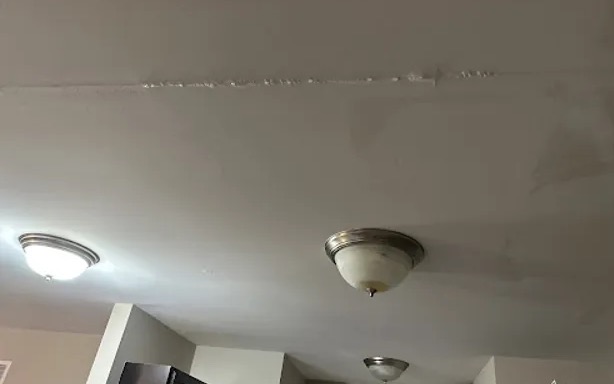
Behind Wall Water Extraction by Water Damage Pros in White Oak
A wall cavity has almost no airflow, so water that gets in stays in. In White Oak homes, insulation and wood framing can remain wet long after the leak stops if nothing is done.
In White Oak, Woodbine, Waverly and Harrietts Bluff, many wall leaks start at windows and exterior penetrations during storms. The pros dry the cavity and note the entry point.
Complete Behind Wall Water Extraction Solutions for White Oak
Wall Cavity Water Extraction
Water trapped at the bottom of a wall cavity is drained through small holes or a removed baseboard, then extracted before drying starts.
Interior Wall Drying Services
Directed drying often saves drywall that would otherwise be cut out, as long as the water was clean and caught early.
Wall Leak Source Identification
The pros trace water in a wall back to its source, such as a supply line, drain, window, roof or shower, so it can be repaired.
Post-Extraction Wall Sanitization
After drying, framing and the back of drywall can be cleaned and treated with an antimicrobial where they stayed wet.
Emergency Behind Wall Water Removal
Emergency removal starts with shutting off the water, then opening the wall where needed and extracting water from the cavity and floor.
How to Tell If You Need Behind Wall Water Extraction in White Oak
Sudden Spike in Water Bill
A water bill that rises with no change in use can mean a supply line leaking inside a wall.
Dampness on Wall Surfaces
A wall that feels cool and damp to the touch may have wet insulation or drywall behind it.
Soft Spots When Pressing Wall
Drywall that gives when pressed has been weakened by water and may need to be cut out.
Paint or Wallpaper Blistering
Paint or wallpaper that blisters or peels is often lifting from moisture behind it.
How Behind Wall Water Extraction Works in White Oak
Step 1: Emergency Assessment and Containment
The water is shut off, outlets in the wet wall are checked and the area is protected.
Step 2: Targeted Water Extraction From Walls
Water is removed from the cavity and the floor, with wet insulation bagged and carried out.
Step 3: Drying and Dehumidification
Equipment is placed to push dry air into the wall, with dehumidifiers removing moisture from the room.
Step 4: Final Inspection and Documentation
Readings are compared to dry areas, and photos and logs are provided for insurance.
Leading Causes of Wall Water Damage in White Oak
Leaking Plumbing Inside Walls
Supply lines, drains and fittings inside walls can drip for months before the damage shows.
Window or Door Seal Failure
Worn caulk and flashing around windows and doors let rain into the wall during storms.
Appliance Supply Line Leaks
Supply lines for refrigerators, washers and dishwashers can leak into the wall behind them.
Faulty Shower or Tub Enclosure
Failed grout, caulk or a shower valve leak lets water into the wall behind the shower.
Home and Business Behind Wall Water Extraction in White Oak, GA
Residential Behind Wall Water Extraction
Homeowners often want to avoid tearing out whole walls. Drying through small holes or behind removed baseboards saves drywall when readings allow it.
Commercial Behind Wall Water Extraction
Commercial buildings with long plumbing runs can have leaks that travel far inside walls. Readings along the wall show the full extent before work begins.
DIY Risks for Behind Wall Water Extraction in White Oak Homes
You can shut off the water, turn off power to outlets on the wet wall and take photos. Finding and drying water inside a wall takes meters, thermal cameras and drying equipment.
Behind Wall Water Extraction Cost in White Oak, GA
The pros map the wet area before pricing behind wall water extraction in White Oak, then explain what will be opened, removed and dried.
Access Method Needed
Drying through small holes costs less than cutting out and replacing large sections of drywall.
Sanitization Requirements
Water from a drain or sewer line requires cleaning and disinfection of the wall cavity.
Extent of Saturation
Drywall and framing that soaked for weeks need more drying time or replacement than a fresh leak.
Does Insurance Cover Behind Wall Water Extraction?
Photos, thermal images, moisture readings and drying logs from local restoration pros help support an insurance claim for water inside walls in White Oak.
Reasons to Hire Local Pros for Behind Wall Water Extraction in White Oak
Focused Wall Leak Identification
The source is traced and photographed so the plumber or roofer knows exactly what to fix.
Moisture Barrier Expertise
Vapor barriers in exterior walls are replaced after drying, so the wall works as designed.
Post-Extraction Sanitization
Cavities touched by dirty water are cleaned and disinfected before they are closed.
Urgent Behind Wall Water Extraction Available 24/7 in White Oak
Water coming out of a wall in White Oak? Shut off the main water valve, turn off power to that wall and call (904) 526-8330. Help is available 24/7.
Call Now (904) 526-8330Serving White Oak and Surrounding Areas for Behind Wall Water Extraction
Help with behind wall water extraction is also available in communities near White Oak, including Woodbine, Waverly and Harrietts Bluff, for hidden leaks and burst pipes inside walls.
- Behind Wall Water Extraction in Woodbine
- Behind Wall Water Extraction in Waverly
- Behind Wall Water Extraction in Harrietts Bluff
- Behind Wall Water Extraction in Kingsland
- Behind Wall Water Extraction in Brunswick
- Behind Wall Water Extraction in Folkston
- Behind Wall Water Extraction in Nahunta
- Behind Wall Water Extraction in Kings Bay Base
- Emergency Damage Restoration in 31568
- Storm Damage Restoration in 31568
- Water Damage Restoration in 31568
- Water Extraction Service in 31568
- Water Leak Detection in 31568
- Water Removal Service in 31568
Behind Wall Water Extraction FAQs
Is wall cavity drying always needed after extraction?
Yes. Extraction removes standing water, but studs, plates and insulation stay wet inside a closed wall unless they are dried.
What is a moisture barrier after water extraction?
A plastic vapor barrier in some exterior walls. If it was damaged or trapped water, it is replaced after the cavity is dry.
How long does interior wall drying take?
Often several days, depending on how long the wall was wet and whether insulation was removed.
Does water extraction require cutting into drywall?
Not always. Small holes or removed baseboards are often enough. Larger cuts are made only where drywall is ruined.
What are signs of water inside walls?
Stains, bubbling paint, soft drywall, musty smells, dripping sounds and a rising water bill.