Nassau Village-Ratliff, FL · Nassau County
Bedroom Water Removal in Nassau Village-Ratliff, FLCeiling Leak Water Cleanup & Emergency Flood Cleanup
Bedroom Water Removal in Nassau Village-Ratliff includes ceiling leak water cleanup, water damaged drywall repair and bedroom humidity control.
Answered 24/7
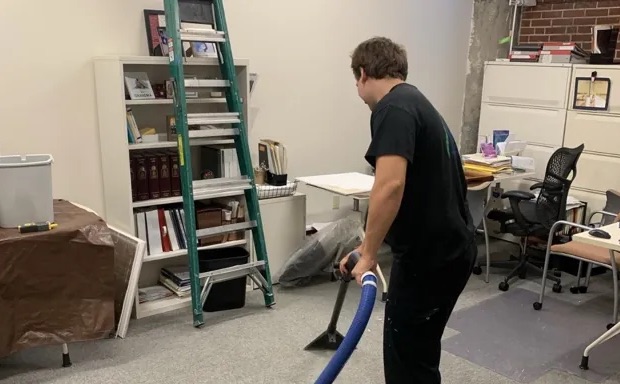
Professional Bedroom Water Removal in Nassau Village-Ratliff, FL
Bedroom Water Removal in Nassau Village-Ratliff gets the bedroom ready for repairs. Water is removed, wet materials are dried or taken out and readings confirm the structure is dry.
A leak in a bedroom in Nassau Village-Ratliff can ruin carpet and drywall overnight. Local water extraction experts serve Nassau Village-Ratliff and nearby Callahan, Grand Crossing and Hilliard, with help available around the clock.
Bedroom Flood Cleanup Services in Nassau Village-Ratliff
Ceiling Leak Water Cleanup
A stained but firm ceiling can often be dried in place. A soft or bulging ceiling is cut out and the cavity is dried.
Emergency Flood Cleanup
Fast extraction keeps bedroom flooding from spreading into hallways, closets and the floor below.
Water Damaged Drywall Repair
Water stains on bedroom walls are checked with a meter. A dry stain may only need sealing and paint; a wet one needs drying first.
Wet Carpet Removal
Pulling back the carpet lets air reach the subfloor, which can stay wet long after the carpet surface feels dry.
Bedroom Water Extraction
Bedroom water often comes from a bathroom next door or a leak above. Extraction covers the bedroom, the closet and any hallway the water reached.
Do You Need Bedroom Water Removal? Signs from Your Bedroom in Nassau Village-Ratliff
Damaged Bedroom Flooring
Hardwood that cups or laminate that lifts at the seams has water underneath.
Visible Stains on Ceiling
A brown ring or yellow spot on the bedroom ceiling usually means water is coming from the roof, attic or bathroom above.
Wet Insulation in Exterior Walls
Cold, damp spots on an exterior wall can mean wet insulation from a leaking pipe or window.
Peeling Paint or Wallpaper
Paint or wallpaper that peels or blisters usually has moisture behind it.
How Bedroom Water Removal Works in Nassau Village-Ratliff
Step 1: Source Stop and Safety Check
The water is shut off, and wet outlets and sagging ceilings are checked before work starts.
Step 2: Bulk Water Removal
Extractors and wet vacs remove water from carpet, hardwood and closet floors.
Step 3: Removal of Damaged Materials
Soaked drywall, baseboards and ceiling sections are cut out to open the area for drying.
Step 4: Drying Techniques
Dehumidifiers and air movers run until walls, ceiling and subfloor reach normal readings.
What Causes Water Damage Needing Bedroom Water Removal in Nassau Village-Ratliff
Faulty Appliance Connections
Washer hoses and water heater lines in a nearby closet can leak under the bedroom wall.
Natural Disaster Flooding
Hurricanes and tropical storms can push floodwater through doors and walls into ground-floor bedrooms.
Window Seal Failures
Worn window seals and flashing let rain run into the wall and onto the floor below the window.
Fire Suppression System Malfunction
A damaged or accidentally triggered fire sprinkler head can soak a bedroom quickly.
Bedroom Water Damage Help for Nassau Village-Ratliff Properties
Residential Bedroom Water Removal
Families need to know when the bedroom will be usable again. Drying usually takes several days, and the pros explain what is being removed and how long equipment will run.
Commercial Bedroom Water Removal
Property managers get photos and readings for each affected room, which helps with tenant communication and insurance claims.
Bedroom Water Removal vs. DIY: When to Call the Pros
Wet mattresses and upholstered furniture are hard to dry at home. If they soaked up dirty water, they usually need to be discarded; ask local water extraction experts before deciding.
Bedroom Water Removal Cost in Nassau Village-Ratliff, FL
Saving carpet by drying it in place keeps the cost of bedroom water removal in Nassau Village-Ratliff lower than full carpet and pad replacement.
Mold Prevention Needs
Antimicrobial treatment of framing that stayed wet is an added step priced by area.
Secondary Repairs
Replacing carpet, drywall and paint after drying are separate repair costs from the water removal.
Emergency Response
Night, weekend and holiday calls can cost more than a scheduled weekday visit.
Does Insurance Cover Bedroom Water Removal?
Insurers often ask where the water came from and how long it ran. Notes on the source and the drying help answer those questions.
Advantages of Hiring Local Pros in Nassau Village-Ratliff for Bedroom Water Removal
Water Removal
Water is extracted from carpet and floors as soon as the source is stopped, which limits damage.
Industry Drying Standards
Drying follows industry water damage standards, with readings taken at every visit.
Ceiling Leak Prep
Wet ceiling drywall is removed safely and the cavity is dried, ready for patching.
Emergency Water Removal Services in Nassau Village-Ratliff
If water is near outlets or a ceiling light, turn off that circuit at the panel and keep clear. Then call (904) 526-8330 for help in Nassau Village-Ratliff.
Call Now (904) 526-8330Bedroom Water Removal in Nassau Village-Ratliff and Other Areas Served
The places below are also served, and each one has its own page.
Your Bedroom Water Removal Questions for Nassau Village-Ratliff
Can I handle bedroom water removal myself?
Small spills on hard floors, yes. Wet carpet pad, walls or ceilings need extraction equipment and drying.
How does emergency flood cleanup differ from regular water removal?
Help is available day or night to address water spreading into more rooms and the floor below.
Does a small bedroom leak need professional drying?
If water reached carpet pad, walls or the subfloor, yes. Those areas stay damp even when the surface feels dry.
Why is bedroom mold prevention important after a leak?
Bedrooms are closed spaces where wet carpet and walls dry slowly. Fast drying keeps microbial growth from starting.
What are structural drying services for a bedroom?
Drying the subfloor, wall cavities and framing with air movers and dehumidifiers until readings are normal.