Sawgrass, FL · Saint Johns County
Basement Water Removal in Sawgrass, FLBasement Moisture Inspection & Basement Drying Services
Basement Water Removal in Sawgrass runs from basement water pump out and basement drying services to basement dehumidification.
Answered 24/7
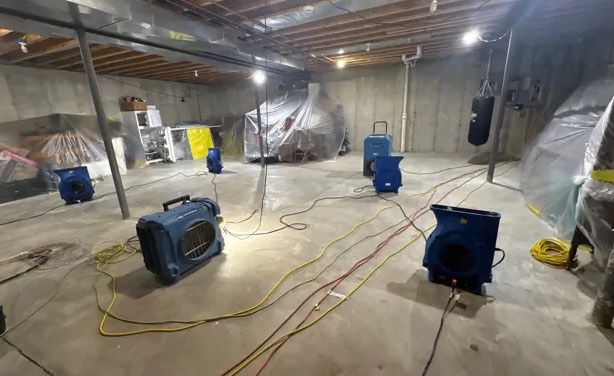
Expert Basement Water Removal in Sawgrass, Palm Valley, Ponte Vedra Beach and Nocatee
Basement Water Removal in Sawgrass starts with safety. Water near the furnace, water heater or electrical panel can be dangerous, so power is made safe before anyone steps into it.
Few homes in Sawgrass have basements, so this work usually covers the lowest part of a home: a sunken room, a below-grade garage, a utility room or a crawl space.
Homeowners in Sawgrass can call (904) 526-8330 day or night when the basement is taking on water. Service also covers Palm Valley, Ponte Vedra Beach and Nocatee, with the same pumping and drying steps.
Basement Water Removal Services in Sawgrass
Basement Moisture Inspection
Moisture meters and thermal cameras check walls, floors and the slab for water that is not visible, including behind finished walls.
Basement Drying Services
Drying plans for basements account for cool air and thick concrete, which hold moisture longer than upper floors.
Basement Dehumidification
Large dehumidifiers pull moisture from basement air, which lets walls, framing and the slab release the water they absorbed.
Basement Floor Water Damage
Flooring that buckled or swelled is removed. Tile and sealed concrete can often be cleaned and dried in place.
Basement Wall Drying
Concrete and block walls dry with directed airflow and dehumidification, which pull water out of the masonry.
Indicators You Need Professional Water Removal
Musty Odors and Mold Smell
A musty or damp smell in the basement points to wet materials hidden somewhere in the space.
Mold or Mildew
Dark spots on drywall, framing or stored items mean the area has stayed wet for days.
Wet or Damp Basement Walls
Basement walls that look dark, feel damp or show tide lines are taking on or holding water.
Standing Water in Basement
Standing water anywhere on the basement floor needs to be pumped out before it soaks the walls.
How Basement Water Removal Works in Sawgrass
Step 1: Safety Assessment and Pump Out
Electrical hazards are checked, then deep water is pumped outside away from the foundation.
Step 2: Content Removal and Damage Documentation
Wet belongings are moved, and photos record the water level and damaged materials.
Step 3: Targeted Water Removal and Drying
Carpet is extracted, wet drywall is cut back and air is aimed at walls and the slab.
Step 4: Sanitization and Moisture Control
Surfaces touched by dirty water are disinfected, and dehumidifiers keep humidity low.
Sources of Basement Water Problems
Appliance Malfunctions and Overflows
Washers, utility sinks and water softeners in the basement can overflow or leak.
Plumbing Leaks or Pipe Bursts
Supply lines, drain pipes and water heaters in the basement can leak or burst onto the floor.
Sewer Line Backups and Blockages
A blocked sewer line can push wastewater up through basement floor drains and toilets.
Heavy Rainfall and Storm Flooding
Heavy rain saturates the soil and pushes water through walls, cracks and the floor joint.
Professional Basement Water Removal for All Properties
Residential Basement Water Removal
Families should keep children and pets away from basement water until power is safe and the type of water is known.
Commercial Basement Water Removal
In restaurants and shops, basement water near food or stock storage needs removal and cleaning before those areas are used again.
Why DIY Basement Water Removal Often Fails in Sawgrass
Water that came up through a floor drain may be sewage. Avoid touching it, keep children and pets away and call local water extraction experts for cleanup with protective gear and disinfection.
Investing in Professional Basement Water Removal
In Sawgrass, the drying phase usually costs more than the pumping, because basements need equipment running for several days.
Water Depth and Volume
Deeper water takes more pumping time and usually means more materials got wet.
Affected Materials
Finished walls, carpet and laminate take more removal work than bare concrete.
Additional Services
Antimicrobial treatment, contents cleaning and repairs after drying add to the cost.
Does Insurance Cover Basement Water Removal?
Many homeowner policies cover sudden basement water from a burst pipe but not groundwater seepage. Sewer backup coverage is often an add-on, so check yours.
Why Sawgrass Homeowners Trust Local Pros for Basement Water Removal
Moisture Inspection
Meters and thermal cameras find water in walls, floors and slab that looks dry.
Contamination Safety Protocols
Sewage and dirty water are handled with protective gear, containment and disinfection.
Clear Communication
You get plain updates on what was found, what was removed and how drying is going.
24/7 Basement Water Removal When You Need It
Water still rising in the basement? Call (904) 526-8330 now for basement water removal in Sawgrass before the water reaches finished rooms and stored belongings.
Call Now (904) 526-8330Basement Water Removal Serving Sawgrass and Surroundings
Other places served are listed below, each with its own page.
- Basement Water Removal in Palm Valley
- Basement Water Removal in Ponte Vedra Beach
- Basement Water Removal in Nocatee
- Basement Water Removal in Jacksonville Beach
- Basement Water Removal in Neptune Beach
- Basement Water Removal in Franklintown
- Basement Water Removal in Amelia City
- Basement Water Removal in Asbury Lake
Basement Water Removal in Sawgrass: Your Questions
How is contaminated water handled in a basement?
With protective gear, containment, removal of porous materials and disinfection of hard surfaces before drying.
Can I dry my basement myself with fans?
Fans help with surface water, but walls and concrete need dehumidifiers and readings to dry fully.
What happens during basement moisture control?
Dehumidifiers and air movers keep humidity low while materials dry, and readings confirm when the space is normal.
What should I do right after basement flooding?
Make power safe, avoid sewage, move belongings above the water, take photos and call for water removal.
What is the difference between a pump out and extraction?
A pump out removes deep standing water. Extraction pulls the remaining water from carpet, pad and floors.