Grand Crossing, FL · Duval County
Basement Water Removal in Grand Crossing, FLBasement Wall Drying & Emergency Basement Flooding
Basement Water Removal in Grand Crossing covers basement water pump out, basement wall drying and basement dehumidification after a flood.
Answered 24/7
Basement Water Removal Solutions for Grand Crossing Homeowners
In Grand Crossing homes with a basement or below-grade room, water usually comes from storms, sewer backups or plumbing leaks overhead. The source decides how the water is handled and what can be saved.
Basements are uncommon in Grand Crossing. The same extraction and drying steps apply to slab-level rooms, sunken dens and garages that take on water.
A finished basement or lower level in Grand Crossing or Jacksonville, Nassau Village-Ratliff and Bellair-Meadowbrook Terrace can hide water under flooring and behind drywall. The pros find and remove it before it causes lasting damage.
Comprehensive Basement Water Removal Solutions
Basement Wall Drying
Basement walls are checked with moisture meters. Wet drywall is cut back above the water line, and insulation behind it is removed.
Emergency Basement Flooding
Emergency response starts with making power safe, stopping the source if possible and pumping out the water.
Basement Floor Water Damage
Flooring that buckled or swelled is removed. Tile and sealed concrete can often be cleaned and dried in place.
Basement Dehumidification
After drying, a household dehumidifier may still be needed to keep basement humidity in a healthy range.
Basement Drying Services
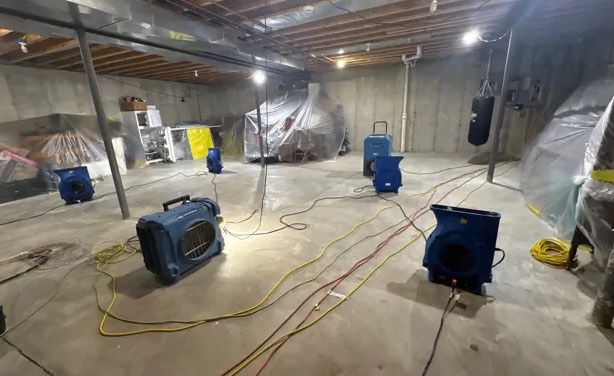
Equipment stays until the basement reads dry, not just until it looks dry. Removing it early lets dampness return.
Signs of Basement Water Damage in Grand Crossing
Standing Water in Basement
Standing water anywhere on the basement floor needs to be pumped out before it soaks the walls.
Musty Odors and Mold Smell
A musty or damp smell in the basement points to wet materials hidden somewhere in the space.
Soggy or Wet Carpeting
Carpet that feels damp or smells sour is holding water in the pad against the concrete.
Wet or Damp Basement Walls
Basement walls that look dark, feel damp or show tide lines are taking on or holding water.
How Basement Water Removal Works in Grand Crossing
Step 1: First Call and Initial Assessment
The source, the type of water and the depth are checked, and the water level is photographed.
Step 2: Bulk Water and Contaminant Removal
Pumps remove standing water, and carpet, pad or drywall touched by dirty water is removed.
Step 3: Drying With Monitoring
Dehumidifiers and air movers run around the clock, with readings logged every day on walls and slab.
Step 4: Post-Drying Evaluation and Documentation
Final readings and photos are compiled to show the basement is dry and what was removed.
What Causes Water Damage in Basements
Sewer Line Backups and Blockages
A blocked sewer line can push wastewater up through basement floor drains and toilets.
Appliance Malfunctions and Overflows
Washers, utility sinks and water softeners in the basement can overflow or leak.
Plumbing Leaks or Pipe Bursts
Supply lines, drain pipes and water heaters in the basement can leak or burst onto the floor.
Clogged or Damaged Gutters
Clogged gutters and short downspouts dump roof water right next to the foundation.
Basement Water Removal for Homes and Businesses
Residential Basement Water Removal
Finished basements used as bedrooms or family rooms need careful moisture checks behind walls and under flooring, since that is where water hides.
Commercial Basement Water Removal
Businesses with below-grade storage need wet inventory moved out and documented. Drying is planned around daily operations wherever possible.
Why DIY Basement Water Removal Often Fails in Grand Crossing
A small puddle on bare concrete can be handled with a wet vac, towels and a dehumidifier. Call local basement drying experts if water reached carpet, drywall or framing, or covers much of the floor.
Investing in Professional Basement Water Removal
The cost of basement water removal in Grand Crossing depends on how deep the water is, what type of water it is and how much finished material has to come out.
Drying Time Required
Basements dry slowly, and each extra day of equipment adds to the total.
Affected Materials
Finished walls, carpet and laminate take more removal work than bare concrete.
Basement Square Footage
Larger basements need more extraction, more drying equipment and more days of drying.
Does Insurance Cover Basement Water Removal?
Ask your adjuster early how your policy treats seepage and sewer backups, since many policies limit or exclude both kinds of water.
Advantages of Local Basement Water Removal Experts
Methodical Water Removal Process
Water is removed in a set order: pump-out, extraction, removal of soaked materials, then drying.
Moisture Inspection
Meters and thermal cameras find water in walls, floors and slab that looks dry.
Industry Drying Standards
Water removal and drying follow industry water damage standards, with readings at every visit.
24/7 Basement Water Removal When You Need It
Standing water in a basement soaks walls and floors by the hour. Call (904) 526-8330 for basement water removal in Grand Crossing at any time, day or night.
Call Now (904) 526-8330Communities Served for Basement Water Removal
Need basement water removal outside Grand Crossing? Service also covers Jacksonville, Nassau Village-Ratliff and Bellair-Meadowbrook Terrace, including emergency help during storms.
- Basement Water Removal in Jacksonville
- Basement Water Removal in Nassau Village-Ratliff
- Basement Water Removal in Bellair-Meadowbrook Terrace
- Basement Water Removal in Orange Park
- Basement Water Removal in Oakleaf Plantation
- Basement Water Removal in Callahan
- Basement Water Removal in Baldwin
- Basement Water Removal in Lakeside
Basement Water Removal FAQs
How long does basement drying take?
Often several days or longer, because concrete and cool basement air hold moisture. Daily readings show when it is done.
How is contaminated water handled in a basement?
With protective gear, containment, removal of porous materials and disinfection of hard surfaces before drying.
What is involved in basement water removal?
Making power safe, pumping out standing water, extracting floors and carpet, removing soaked materials and dehumidifying until dry.
What is emergency basement flooding response?
Help any hour to make power safe, stop the source, pump out water and start drying before more damage sets in.
What equipment is used for basement water extraction?
Submersible pumps, extractors, wet vacs, air movers, large dehumidifiers and moisture meters to confirm drying.