Glen St. Mary, FL · Baker County
Basement Water Removal in Glen St. Mary, FLBasement Moisture Inspection & Emergency Basement Flooding
Basement Water Removal in Glen St. Mary includes basement water pump out, basement drying services and basement moisture inspection.
Answered 24/7
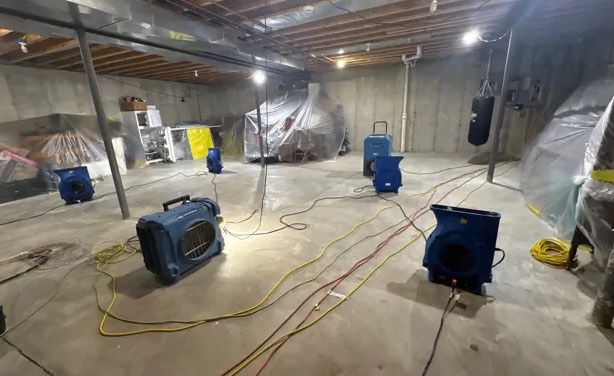
Local Basement Water Removal Services for Glen St. Mary
In Glen St. Mary, a burst pipe or heavy rain can let water rise fast in a basement. The water usually spreads from the low point across the whole floor and into finished rooms.
Basements are uncommon in Glen St. Mary. The same extraction and drying steps apply to slab-level rooms, sunken dens and garages that take on water.
Homes in Glen St. Mary and nearby Macclenny, Sanderson and Baldwin with basements face storm seepage, sewer backups and plumbing leaks. Help with basement water removal covers pump-out, wall and floor drying and dehumidification.
Specialized Basement Water Removal for Glen St. Mary
Basement Moisture Inspection
Moisture meters and thermal cameras check walls, floors and the slab for water that is not visible, including behind finished walls.
Emergency Basement Flooding
Help is available any hour when water is rising in the basement from a storm, a sewer backup or a burst pipe.
Basement Floor Water Damage
Flooring that buckled or swelled is removed. Tile and sealed concrete can often be cleaned and dried in place.
Basement Wall Drying
Opening the bottom of finished walls lets air reach the studs and sill plate, which otherwise stay wet behind the drywall.
Basement Water Pump Out
A pump-out removes standing water from the basement with submersible pumps, discharging it outside and away from the foundation.
Common Symptoms Requiring Basement Water Removal
Efflorescence on Concrete Walls
White, powdery deposits on concrete walls mean water is passing through the masonry.
Musty Odors and Mold Smell
A musty or damp smell in the basement points to wet materials hidden somewhere in the space.
High Humidity and Condensation
Water on pipes and windows, or a constantly clammy feel, means basement humidity is too high.
Standing Water in Basement
Standing water anywhere on the basement floor needs to be pumped out before it soaks the walls.
How Basement Water Removal Works in Glen St. Mary
Step 1: Safety Assessment and Pump Out
Electrical hazards are checked, then deep water is pumped outside away from the foundation.
Step 2: Content Removal and Damage Documentation
Wet belongings are moved, and photos record the water level and damaged materials.
Step 3: Targeted Water Removal and Drying
Carpet is extracted, wet drywall is cut back and air is aimed at walls and the slab.
Step 4: Sanitization and Moisture Control
Surfaces touched by dirty water are disinfected, and dehumidifiers keep humidity low.
Sources of Basement Water Problems
Improper Landscape Grading
Soil that slopes toward the house directs rainwater straight to the basement walls.
Plumbing Leaks or Pipe Bursts
Supply lines, drain pipes and water heaters in the basement can leak or burst onto the floor.
Foundation Cracks and Seepage
Cracks in foundation walls and the slab let groundwater seep in during wet weather.
Appliance Malfunctions and Overflows
Washers, utility sinks and water softeners in the basement can overflow or leak.
Both Residential & Commercial Basement Water Removal
Residential Basement Water Removal
Finished basements used as bedrooms or family rooms need careful moisture checks behind walls and under flooring, since that is where water hides.
Commercial Basement Water Removal
Businesses with below-grade storage need wet inventory moved out and documented. Drying is planned around daily operations wherever possible.
Why DIY Basement Water Removal Often Fails in Glen St. Mary
Do not step into basement water if cords, outlets or appliances are in it. Shut off power at the panel only if you can reach it from a dry spot, then call (904) 526-8330.
Understanding Basement Water Removal Pricing
Sewage cleanup, finished walls, after-hours calls and damaged appliances all add to the total for basement water removal in Glen St. Mary.
Affected Materials
Finished walls, carpet and laminate take more removal work than bare concrete.
Basement Square Footage
Larger basements need more extraction, more drying equipment and more days of drying.
Drying Time Required
Basements dry slowly, and each extra day of equipment adds to the total.
Does Insurance Cover Basement Water Removal?
Coverage for basement water removal depends on the water source and your policy. The pros document the damage and drying, and your insurer decides what is covered.
Why Glen St. Mary Homeowners Trust Local Pros for Basement Water Removal
Clear Communication
You get plain updates on what was found, what was removed and how drying is going.
Contamination Safety Protocols
Sewage and dirty water are handled with protective gear, containment and disinfection.
Advanced Drying Equipment
Pumps, extractors and large dehumidifiers remove water much faster than household tools.
24/7 Emergency Basement Water Removal in Glen St. Mary
Storm night, weekend or holiday, local basement drying experts handle basement water in Glen St. Mary. Call (904) 526-8330 to get pumps running and drying started.
Call Now (904) 526-8330Basement Water Removal Near Glen St. Mary: Areas Served
Basement water removal also covers homes and buildings in Macclenny, Sanderson and Baldwin, close to Glen St. Mary, day or night.
- Basement Water Removal in Macclenny
- Basement Water Removal in Sanderson
- Basement Water Removal in Baldwin
- Basement Water Removal in Raiford
- Basement Water Removal in Olustee
- Basement Water Removal in Lawtey
- Basement Water Removal in Middleburg
- Basement Water Removal in Asbury Lake
- Emergency Damage Restoration in 32040
- Storm Damage Restoration in 32040
- Water Damage Restoration in 32040
- Water Extraction Service in 32040
- Water Leak Detection in 32040
- Water Removal Service in 32040
Common Basement Water Removal Questions Answered
How is contaminated water handled in a basement?
With protective gear, containment, removal of porous materials and disinfection of hard surfaces before drying.
Why is basement dehumidification important after pumping?
Walls and concrete keep releasing moisture for days. Dehumidifiers remove it so the basement does not stay damp.
How is basement wall drying done?
Wet drywall is cut back, insulation removed and directed airflow and dehumidifiers dry the studs and masonry.
What equipment is used for basement water extraction?
Submersible pumps, extractors, wet vacs, air movers, large dehumidifiers and moisture meters to confirm drying.
Can wet drywall in a basement be saved?
Sometimes, if the water was clean and removed quickly. Soaked or contaminated drywall is cut out above the water line.