St. Marys, GA · Camden County
Basement Water Damage Restoration in St. Marys, GABasement Drying Services & Basement Sewer Backup Cleanup
Basement Water Damage Restoration in St. Marys runs from basement water extraction and basement floor water removal to basement dehumidification.
Answered 24/7
Local Basement Water Damage Restoration Near St. Marys
A basement dries slower than any other part of a house. The air is cool, there is little sunlight and the concrete holds moisture for a long time. In St. Marys, that makes extraction and steady dehumidification important.
Few homes in St. Marys are built with basements, so these steps are usually applied to the lowest rooms of a house, a garage or a crawl space instead.
In St. Marys, a home with a basement or below-grade room can flood after heavy rain or a blocked sewer line. Local water damage pros serve St. Marys, Kings Bay Base, Fernandina Beach and Yulee, pumping out water and drying finished and unfinished spaces.
Complete Basement Water Damage Restoration for St. Marys
Basement Drying Services
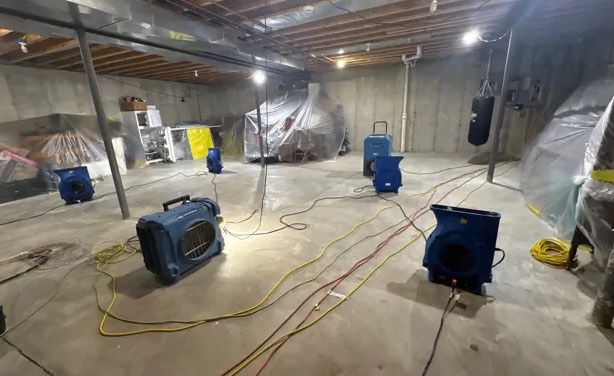
Air movers and dehumidifiers are placed to dry walls, framing and the slab. Below-grade rooms dry slowly, so readings are taken daily.
Basement Sewer Backup Cleanup
After a sewer backup, cleanup and disinfection come before drying, so contaminated surfaces are not left in place.
Basement Water Extraction
Submersible pumps remove deep standing water, then portable extractors pull water from carpet, pad and the concrete floor.
Basement Mold Prevention
After drying, an antimicrobial can be applied to framing and concrete that were wet, to slow mold on surfaces that stay in place.
Basement Floor Water Removal
Water on a concrete floor is squeegeed and extracted, and floor coverings such as carpet, vinyl or laminate are lifted to dry the slab.
Warning Signs You Need Basement Water Damage Restoration
Mold on Surfaces
Dark spots on drywall, framing or stored boxes mean the area has stayed wet for days.
Condensation on Windows or Pipes
Water beading on cold pipes or basement windows shows high humidity that keeps materials damp.
Peeling Paint or Wallpaper
Paint that peels or blisters on basement walls often has moisture behind it.
Rusted Appliances or Pipes
Rust on the water heater, furnace base or pipes points to repeated moisture or past flooding.
How Basement Water Damage Restoration Works in St. Marys
Step 1: Water Removal
Pumps and extractors remove standing water from the basement floor, starting at the lowest point.
Step 2: Targeted Moisture Evaporation
Air movers are aimed at wet walls, framing and the slab to speed evaporation.
Step 3: Humidity Control
Large dehumidifiers pull moisture from the basement air, with readings checked every day.
Step 4: Final Verification and Restoration
Final readings confirm the basement is dry, and the space is ready for drywall and flooring repairs.
What Causes Basement Water Damage Restoration in St. Marys
Sewer Line Backups
A blocked or overloaded sewer line pushes wastewater up through basement drains and toilets.
Failed or Clogged Drain Tile
Clogged or collapsed drain tile around the foundation lets water build up against the walls.
Window Well Flooding
Window wells without drains or covers fill with rain and leak through basement windows.
Plumbing Pipe Bursts or Leaks
Supply lines and drain pipes in basement ceilings can crack or burst onto the floor below.
Both Residential & Commercial Basement Water Damage Restoration in St. Marys
Residential Basement Water Damage Restoration
In homes, a flooded basement often means damaged carpet, drywall, a furnace or water heater and stored belongings. Water is pumped out, contents are moved and the space is dried.
Commercial Basement Water Damage Restoration
In commercial buildings, basements hold mechanical rooms, storage and sometimes offices. Water is removed and equipment areas are dried so systems can be checked and restarted.
Basement Water Damage Restoration: Professional Help vs. Doing It Yourself in St. Marys
Fans alone can push damp air into the rest of the house. Basement drying needs dehumidifiers to pull the moisture out of the air and the concrete.
Understanding Basement Water Damage Restoration Pricing in St. Marys
A basement pumped and dried right away in St. Marys usually costs less than one left wet for days, when more drywall and flooring are lost.
Material Saturation
Finished basements with carpet, drywall and insulation take more removal work than bare concrete.
Access Complexity
Narrow stairs, low ceilings and stored contents can make the work slower.
Drying Time Required
Basements dry slowly, and longer drying means more equipment days and monitoring visits.
Does Insurance Cover Basement Water Damage Restoration?
Photograph the water level, damaged belongings and appliances before cleanup starts, and keep receipts for emergency pumping and drying to send to your insurer.
Why Choose Local Pros for Basement Water Damage Restoration in St. Marys
Detailed Documentation
Photos, readings and drying logs are kept to support your insurance claim.
Advanced Moisture Detection
Moisture meters and thermal cameras find water in walls and slabs that looks dry.
Industry Drying Standards
Drying follows industry water damage standards, with readings taken at every visit.
St. Marys Emergency Basement Water Damage Restoration Response
If water is near outlets or the electrical panel, do not walk into it. Call (904) 526-8330 for help in St. Marys and wait for the power to be made safe.
Call Now (904) 526-8330Basement Water Damage Restoration Near St. Marys: Areas Served
Basement water removal and drying also cover homes and buildings in Kings Bay Base, Fernandina Beach and Yulee, close to St. Marys, day or night.
- Basement Water Damage Restoration in Kings Bay Base
- Basement Water Damage Restoration in Fernandina Beach
- Basement Water Damage Restoration in Yulee
- Basement Water Damage Restoration in Kingsland
- Basement Water Damage Restoration in Amelia City
- Basement Water Damage Restoration in Woodbine
- Basement Water Damage Restoration in Callahan
- Basement Water Damage Restoration in Waverly
- Emergency Damage Restoration in 31558
- Storm Damage Restoration in 31558
- Water Damage Restoration in 31558
- Water Extraction Service in 31558
- Water Leak Detection in 31558
- Water Removal Service in 31558
Basement Water Damage Restoration Common Questions Answered
How is basement restoration documented for insurance?
With photos of the water level and damage, moisture readings, a list of removed materials and daily drying logs.
Can wet basement drywall be saved after water damage?
Sometimes, if the water was clean and removed quickly. Soaked or sewage-contaminated drywall is cut out above the water line.
What does below-grade moisture removal include beyond pumping?
Extracting carpet and pad, opening wet walls, running air movers and dehumidifiers, and checking readings until dry.
How long does below-grade drying take after a flood?
Often several days or longer, since concrete and cool basement air dry slowly. Daily readings show progress.
What are signs of hidden moisture after below-grade water extraction?
Musty smells, tide lines on walls, damp carpet edges and moisture readings that stay high in walls or the slab.