Sea Island, GA · Glynn County
Basement Water Damage Restoration in Sea Island, GABasement Drying Services & Basement Floor Water Removal
Basement Water Damage Restoration in Sea Island runs from basement water extraction and basement floor water removal to basement dehumidification.
Answered 24/7
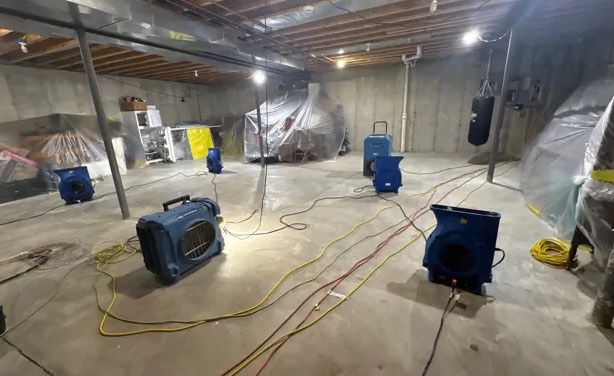
Basement Water Damage Restoration for Sea Island Homes
Water in a basement does not stay on the floor. It wicks up drywall, soaks insulation and seeps into wood framing. In Sea Island, a few inches of water can damage walls up to two feet high.
Few homes in Sea Island have basements, so this work usually covers the lowest part of a home: a sunken room, a below-grade garage, a utility room or a crawl space.
In Sea Island, a home with a basement or below-grade room can flood after heavy rain or a blocked sewer line. Local restoration pros serve Sea Island, St. Simons, Country Club Estates and Brunswick, pumping out water and drying finished and unfinished spaces.
Complete Basement Water Damage Restoration for Sea Island
Basement Drying Services
Air movers and dehumidifiers are placed to dry walls, framing and the slab. Below-grade rooms dry slowly, so readings are taken daily.
Basement Floor Water Removal
Wet carpet pad is removed from basement floors, since it holds water against the concrete and dries poorly.
Basement Sewer Backup Cleanup
Sewage that backs up through a floor drain or toilet is extracted with protective gear, and the area is contained from the rest of the house.
Basement Dehumidification
Dehumidification continues until humidity and material readings are normal. Turning it off too early lets moisture return.
Basement Water Extraction
Extraction starts at the lowest point, often near the floor drain or sump, and works outward until no pooled water remains.
Indicators for Basement Water Damage Restoration in Sea Island
Efflorescence on Concrete Walls
White, chalky deposits on concrete walls mean water is moving through the concrete and leaving minerals behind.
High Humidity Levels Below-Grade
A basement that stays damp and clammy even on dry days has a moisture source that needs attention.
Damp or Musty Odors
A damp, earthy or musty smell in the basement often means hidden moisture in walls, carpet or the slab.
Sewage Odors or Backups
Sewage smells or water coming up through a floor drain mean the sewer line is backing up.
How Basement Water Damage Restoration Works in Sea Island
Step 1: Water Removal
Pumps and extractors remove standing water from the basement floor, starting at the lowest point.
Step 2: Targeted Moisture Evaporation
Air movers are aimed at wet walls, framing and the slab to speed evaporation.
Step 3: Humidity Control
Large dehumidifiers pull moisture from the basement air, with readings checked every day.
Step 4: Final Verification and Restoration
Final readings confirm the basement is dry, and the space is ready for drywall and flooring repairs.
What Causes Basement Water Damage Restoration in Sea Island
Stormwater Runoff Into Lower Levels
Heavy rain running off hard ground or a sloped yard can pour down stairwells and under doors into below-grade rooms.
Sewer Line Backups
A blocked or overloaded sewer line pushes wastewater up through basement drains and toilets.
Clogged Floor Drains
A floor drain blocked by debris cannot carry off water from a leak or overflow, so it spreads across the basement floor.
Plumbing Pipe Bursts or Leaks
Supply lines and drain pipes in basement ceilings can crack or burst onto the floor below.
Residential and Commercial Basement Water Damage Restoration in Sea Island
Residential Basement Water Damage Restoration
Homeowners with older basements may have seepage that returns with each storm. Drying fixes the current damage, and the source is noted for a waterproofing contractor.
Commercial Basement Water Damage Restoration
Apartment and condo buildings with shared basements or lower levels may have laundry and storage below grade. Each area is extracted, dried and recorded for the building manager.
Professional Basement Water Damage Restoration or DIY in Sea Island?
Fans alone can push damp air into the rest of the house. Basement drying needs dehumidifiers to pull the moisture out of the air and the concrete.
Basement Water Damage Restoration Cost in Sea Island, GA
Before pricing basement water damage restoration in Sea Island, the pros check the water depth, the type of water and what the basement is finished with.
Secondary Damage
Damage to furnaces, water heaters and belongings adds repair and replacement costs.
Water Category
Clean water costs less to handle than sewage, which needs protective gear, removal and disinfection.
Emergency Service
Night, weekend and storm calls can cost more than a scheduled visit.
Does Insurance Cover Basement Water Damage Restoration?
Many homeowner policies cover sudden basement water from a burst pipe, but not seepage or groundwater. Sewer backup coverage is often a separate add-on, so check your policy.
Why Choose Local Pros for Basement Water Damage Restoration in Sea Island
Containment Strategies
Plastic sheeting keeps contaminated areas separate from clean parts of the house.
Water Type Handling
Clean water, gray water and sewage are each handled with the right protection and removal steps.
Water Extraction First
Water is removed from floors, carpet and pad before drying starts, which shortens drying time.
Round-the-Clock Emergency Basement Water Damage Restoration in Sea Island
Every hour of standing water in a basement means more drywall and flooring to replace. Call (904) 526-8330 for basement water damage restoration in Sea Island.
Call Now (904) 526-8330Local Basement Water Damage Restoration Coverage: Sea Island and Beyond
Other places served are listed below, each with its own page.
- Basement Water Damage Restoration in St. Simons
- Basement Water Damage Restoration in Country Club Estates
- Basement Water Damage Restoration in Brunswick
- Basement Water Damage Restoration in Jekyll Island
- Basement Water Damage Restoration in Dock Junction
- Basement Water Damage Restoration in Waverly
- Basement Water Damage Restoration in Woodbine
- Basement Water Damage Restoration in White Oak
- Emergency Damage Restoration in 31561
- Storm Damage Restoration in 31561
- Water Damage Restoration in 31561
- Water Extraction Service in 31561
- Water Leak Detection in 31561
- Water Removal Service in 31561
FAQ for Basement Water Damage Restoration in Sea Island
Does basement mold prevention need special steps after flooding?
Fast drying is the main step. Wood and concrete that stayed wet can be treated with an antimicrobial once dry.
How is basement sewer backup cleanup different from regular flooding?
Sewage carries bacteria, so it needs protective gear, removal of porous materials and disinfection before drying.
How long does below-grade drying take after a flood?
Often several days or longer, since concrete and cool basement air dry slowly. Daily readings show progress.
What are signs of hidden moisture after below-grade water extraction?
Musty smells, tide lines on walls, damp carpet edges and moisture readings that stay high in walls or the slab.
What equipment is used for below-grade water damage repair?
Submersible pumps, extractors, air movers, large dehumidifiers, moisture meters and air scrubbers for dust and odor.