Sawgrass, FL · Saint Johns County
Basement Water Damage Restoration in Sawgrass, FLBasement Dehumidification & Basement Sewer Backup Cleanup
Get basement water damage restoration in Sawgrass for basement floor water removal, basement mold prevention and basement drying services.
Answered 24/7
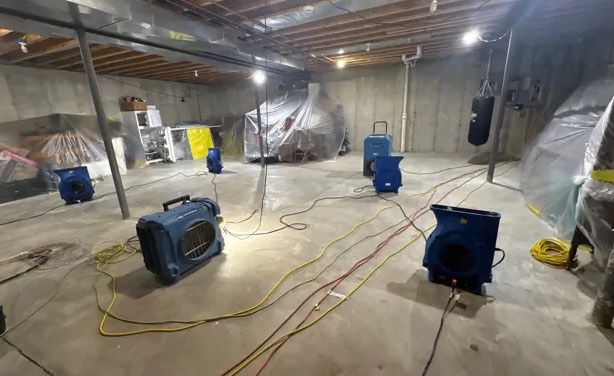
Basement Water Damage Restoration Solutions in Sawgrass, Florida
Basement Water Damage Restoration in Sawgrass covers finished and unfinished basements. A bare concrete basement can often be pumped and dried. A finished one usually needs carpet, pad and lower drywall removed so the walls and slab can dry.
Few homes in Sawgrass have basements, so this work usually covers the lowest part of a home: a sunken room, a below-grade garage, a utility room or a crawl space.
One burst pipe or heavy storm in Sawgrass can flood a basement. Local water removal pros serve Sawgrass and nearby Palm Valley, Ponte Vedra Beach and Nocatee, with help available around the clock.
The Basement Water Damage Restoration Process in Sawgrass
Basement Dehumidification
Dehumidification continues until humidity and material readings are normal. Turning it off too early lets moisture return.
Basement Sewer Backup Cleanup
Sewage that backs up through a floor drain or toilet is extracted with protective gear, and the area is contained from the rest of the house.
Basement Wall Drying
Concrete and block walls are dried with directed airflow and dehumidifiers, and checked with meters until readings drop.
Basement Drying Services
Air movers and dehumidifiers are placed to dry walls, framing and the slab. Below-grade rooms dry slowly, so readings are taken daily.
Basement Mold Prevention
After drying, an antimicrobial can be applied to framing and concrete that were wet, to slow mold on surfaces that stay in place.
When to Consider Basement Water Damage Restoration for Your Sawgrass Home
Sewage Odors or Backups
Sewage smells or water coming up through a floor drain mean the sewer line is backing up.
Condensation on Windows or Pipes
Water beading on cold pipes or basement windows shows high humidity that keeps materials damp.
Standing Water in the Basement
Any standing water on the basement floor needs pumping right away, before it soaks walls and framing.
Efflorescence on Concrete Walls
White, chalky deposits on concrete walls mean water is moving through the concrete and leaving minerals behind.
How Basement Water Damage Restoration Works in Sawgrass
Step 1: Source Control and Extraction
The pipe is shut off, the sump restarted or the backup stopped, then the water is pumped out.
Step 2: Structural Drying Setup
Lower drywall is removed where soaked, and equipment is placed to dry wall cavities and the slab.
Step 3: Contaminant Removal
Materials touched by sewage or dirty water are removed and hard surfaces are cleaned and disinfected.
Step 4: Monitoring and Completion
Daily readings track drying until every material is normal, then equipment is removed.
Typical Sources of Basement Water Damage in Sawgrass
Failed or Clogged Drain Tile
Clogged or collapsed drain tile around the foundation lets water build up against the walls.
Plumbing Pipe Bursts or Leaks
Supply lines and drain pipes in basement ceilings can crack or burst onto the floor below.
Stormwater Runoff Into Lower Levels
Heavy rain running off hard ground or a sloped yard can pour down stairwells and under doors into below-grade rooms.
Sewer Line Backups
A blocked or overloaded sewer line pushes wastewater up through basement drains and toilets.
Home and Business Basement Water Damage Restoration in Sawgrass
Residential Basement Water Damage Restoration
Homeowners with older basements may have seepage that returns with each storm. Drying fixes the current damage, and the source is noted for a waterproofing contractor.
Commercial Basement Water Damage Restoration
Apartment and condo buildings with shared basements or lower levels may have laundry and storage below grade. Each area is extracted, dried and recorded for the building manager.
Basement Water Damage Restoration vs. DIY: When to Call the Pros
You can move belongings off the floor and run a household dehumidifier. Drying soaked walls and slabs needs larger equipment and moisture readings to confirm the space is truly dry.
Factors Affecting Basement Water Damage Restoration Cost in Sawgrass
Before pricing basement water damage restoration in Sawgrass, the pros check the water depth, the type of water and what the basement is finished with.
Dehumidification Needs
Large dehumidifiers may need to run longer in below-grade spaces than in upper floors.
Emergency Service
Night, weekend and storm calls can cost more than a scheduled visit.
Drying Time Required
Basements dry slowly, and longer drying means more equipment days and monitoring visits.
Does Insurance Cover Basement Water Damage Restoration?
Many homeowner policies cover sudden basement water from a burst pipe, but not seepage or groundwater. Sewer backup coverage is often a separate add-on, so check your policy.
Reasons to Hire Local Pros for Basement Water Damage Restoration in Sawgrass
Water Type Handling
Clean water, gray water and sewage are each handled with the right protection and removal steps.
Containment Strategies
Plastic sheeting keeps contaminated areas separate from clean parts of the house.
Industrial-Grade Equipment
Pumps, extractors and large dehumidifiers remove water much faster than household wet vacs and fans.
24/7 Emergency Basement Water Damage Restoration in Sawgrass
If water is near outlets or the electrical panel, do not walk into it. Call (904) 526-8330 for help in Sawgrass and wait for the power to be made safe.
Call Now (904) 526-8330Local Basement Water Damage Restoration Coverage: Sawgrass and Beyond
Each place listed below has its own page with local details.
- Basement Water Damage Restoration in Palm Valley
- Basement Water Damage Restoration in Ponte Vedra Beach
- Basement Water Damage Restoration in Nocatee
- Basement Water Damage Restoration in Jacksonville Beach
- Basement Water Damage Restoration in Neptune Beach
- Basement Water Damage Restoration in Franklintown
- Basement Water Damage Restoration in Amelia City
- Basement Water Damage Restoration in Asbury Lake
Basement Water Damage Restoration FAQs
Is basement floor water removal different from carpet extraction?
Yes. Bare concrete is squeegeed and dried, while carpet and pad need extraction, and the pad is usually replaced.
What is the priority during emergency basement flood cleanup?
Safety first, especially electrical hazards, then stopping the source and pumping out the water as quickly as possible.
Does basement mold prevention need special steps after flooding?
Fast drying is the main step. Wood and concrete that stayed wet can be treated with an antimicrobial once dry.
What is involved in basement water damage restoration?
Pumping out water, removing soaked materials, cleaning contaminated areas, drying walls, framing and concrete, and dehumidifying until readings are normal.
What does below-grade moisture removal include beyond pumping?
Extracting carpet and pad, opening wet walls, running air movers and dehumidifiers, and checking readings until dry.