Waycross, GA · Ware County
Attic Water Removal in Waycross, GAWet Attic Insulation Removal & Ceiling Water Damage Cleanup
Attic Water Removal in Waycross runs from roof leak water removal and wet attic insulation removal to ceiling water damage cleanup.
Answered 24/7
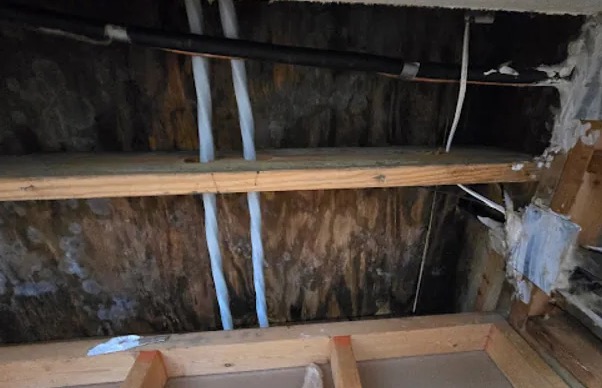
Expert Attic Water Removal for Waycross
In Waycross, the most common attic water sources are roof leaks, attic AC units and plumbing that runs through the attic. Each one needs to be stopped before drying can work.
A heavy storm in Waycross can push water into an attic overnight. Local attic water removal pros serve Waycross and nearby Blackshear and Nahunta, with help available around the clock.
Detailed Attic Water Removal Solutions
Wet Attic Insulation Removal
Fiberglass batts are lifted out by hand, while wet blown-in insulation is vacuumed with a high-powered insulation vacuum.
Ceiling Water Damage Cleanup
A water-stained ceiling below the attic is checked with a meter. Firm, lightly damp drywall can dry in place, while soft or sagging drywall comes down.
Attic Leak Water Cleanup
Cleanup focuses on the low spots where water collects: the bays between joists, the area around the hatch and the space under an air handler.
Attic Drying Services
Equipment is adjusted daily, moving airflow from areas that are dry to areas that still read wet.
Attic Moisture Inspection
Moisture meters and thermal cameras check rafters, decking, insulation and the ceiling below, even in spots that look dry.
Warning Signs You Need Attic Water Removal
High Utility Bills Unexpectedly
Wet insulation loses its insulating value, so energy bills can rise after an attic leak.
Water Stains on Ceiling
A brown ring or yellow patch on an upstairs ceiling usually means water is sitting on the drywall from the attic.
Rotting Wood on Attic Beams
Soft, dark or crumbling wood on rafters and beams points to long-term moisture.
Condensation on Attic Windows or Nails
Damp nail tips or water droplets on attic surfaces point to moisture or ventilation problems.
How Attic Water Removal Works in Waycross
Step 1: Attic Flood Cleanup Response
Active drips are contained with buckets and plastic, and the room below is protected.
Step 2: Targeted Attic Moisture Removal
Water is vacuumed from between joists and on top of drywall, starting where it is deepest.
Step 3: Attic Dehumidification
Dehumidifiers pull moisture from the attic air while air movers dry the wet framing.
Step 4: Documentation for Restoration
Photos and moisture readings are compiled to show what was removed and when the attic dried.
Common Causes of Attic Water Damage in Waycross
HVAC System Leaks or Drain Pan Overflow
An attic air handler overflows when its condensate line clogs or the drain pan cracks.
Roof Leaks From Damaged Shingles
Cracked, missing or lifted shingles let rain reach the decking and drip into the attic.
Clogged or Disconnected Gutters
Clogged or loose gutters let water back up under the roof edge and into the soffits.
Condensation From Poor Attic Ventilation
Moist air from the house condenses on roof decking when attic ventilation is poor.
Attic Water Removal for Homes and Businesses
Residential Attic Water Removal
In townhomes and condos, a shared attic can carry water into a neighbor's ceiling. Clear photos and readings help sort out repairs with the association.
Commercial Attic Water Removal
Property managers get records for each affected suite or unit, which helps with roof repair planning and insurance claims.
Professional Attic Water Removal Compared to DIY
A roof repair stops new water from getting in, but the wet insulation and decking stay wet. After the repair, have the attic checked for remaining moisture.
Factors Influencing Attic Water Removal Cost
Roof or plumbing repair is billed separately from water removal and drying. In Waycross, both are needed after most attic leaks.
Emergency Service Timing
Storm, night and holiday calls can cost more than a scheduled visit.
Type of Insulation Affected
Blown-in insulation takes more time to remove than batts, and both add disposal costs.
Extent of Water Damage
A leak confined to one bay costs less than water spread across the attic and the rooms below.
Does Insurance Cover Attic Water Removal?
Photograph the attic, the ceiling and any roof damage before cleanup, and keep receipts for tarping and emergency water removal.
The Value of Local Attic Water Removal Experts
Mold Inhibitor Application
Wood that stayed wet can be treated with an antimicrobial after it is dried.
Dehumidification Equipment
Dehumidifiers sized for the attic remove moisture much faster than roof vents and open hatches alone.
Post-Cleanup Verification
Final readings confirm the attic is dry before new insulation goes in.
Round-the-Clock Attic Water Removal for Waycross
Night, weekend or holiday, the pros handle attic water in Waycross. Call (904) 526-8330 to get the water out and the ceiling protected.
Call Now (904) 526-8330Local Attic Water Removal Coverage Area
Other places served are listed below, each with its own page.
- Attic Water Removal in Blackshear
- Attic Water Removal in Nahunta
- Attic Water Removal in Homerville
- Attic Water Removal in Folkston
- Attic Water Removal in White Oak
- Attic Water Removal in Hilliard
- Attic Water Removal in Woodbine
- Attic Water Removal in Waverly
- Emergency Damage Restoration in 31501
- Storm Damage Restoration in 31501
- Water Damage Restoration in 31501
- Water Extraction Service in 31501
- Water Leak Detection in 31501
- Water Removal Service in 31501
- Emergency Damage Restoration in 31502
- Storm Damage Restoration in 31502
Your Attic Water Removal FAQs Resolved
What happens during wet attic cleanup?
Water, wet insulation and debris are removed, stored items are moved out and the attic floor is cleaned before drying.
Can I remove attic water myself?
Only small amounts that are easy to reach safely. Pooled water and soaked insulation need safe footing and drying equipment.
Why is emergency attic drying important?
Wet wood and drywall break down quickly. Drying fast saves more of the ceiling and lowers the risk of microbial growth.
What is an attic moisture inspection?
A check of rafters, decking, insulation and the ceiling below with moisture meters and thermal cameras to find all wet areas.
What equipment is used for attic water extraction?
Wet vacs, pumps, air movers, dehumidifiers, moisture meters and thermal cameras, plus vacuums for wet insulation.