Jacksonville, FL · Duval County
Attic Water Removal in Jacksonville, FLWet Attic Insulation Removal & Attic Mold Prevention
Homeowners in Jacksonville get Attic Water Removal for emergency attic water extraction, attic moisture inspection and attic drying services.
Answered 24/7
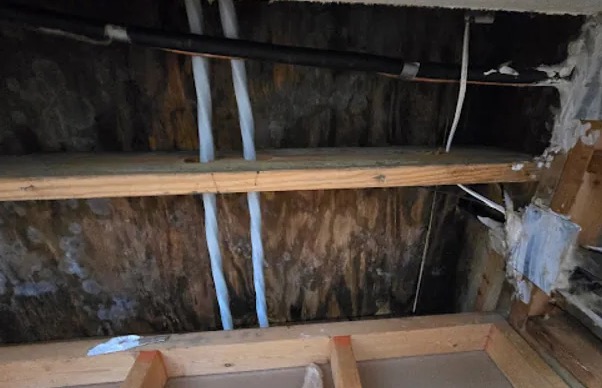
Reliable Attic Water Removal Near Jacksonville
After a storm in Jacksonville, water can enter an attic through damaged shingles, vents or holes from debris. Fast removal protects the ceiling and the rooms underneath.
In Jacksonville, Grand Crossing, Bellair-Meadowbrook Terrace and Orange Park, many attic leaks go unnoticed until the ceiling stains. The pros get the water and wet insulation out before the ceiling has to be replaced.
Specialized Attic Water Removal for Jacksonville
Wet Attic Insulation Removal
Fiberglass batts are lifted out by hand, while wet blown-in insulation is vacuumed with a high-powered insulation vacuum.
Attic Mold Prevention
After drying, wood that was wet for more than a day or two can be treated with an antimicrobial to slow microbial growth.
Ceiling Water Damage Cleanup
Fallen drywall, wet insulation and debris in the room below are cleaned up, and floors and furniture are protected during the work.
Attic Leak Water Cleanup
Water-stained debris, wet cardboard and soaked stored items are cleared out so the attic floor can be dried.
Emergency Attic Water Extraction
Water sitting on top of ceiling drywall adds weight fast. Removing it quickly can mean the difference between drying a ceiling and replacing it.
Warning Signs You Need Attic Water Removal
Peeling Paint on Ceilings or Walls
Paint that peels or blisters on upstairs ceilings and walls often has water behind it.
Water Stains on Ceiling
A brown ring or yellow patch on an upstairs ceiling usually means water is sitting on the drywall from the attic.
Water Dripping From Light Fixtures
Water dripping from a ceiling light or fan means an active leak above. Turn off that circuit.
Rotting Wood on Attic Beams
Soft, dark or crumbling wood on rafters and beams points to long-term moisture.
How Attic Water Removal Works in Jacksonville
Step 1: Containment and Safety Setup
Power to wet fixtures is shut off and plastic sheeting protects the room below.
Step 2: Roof Leak Water Removal and Cleanout
Rainwater is removed, a tarp is placed over roof damage, and wet debris is cleared.
Step 3: Moisture Evaporation and Attic Drying
Equipment runs on safe footing in the attic, with readings checked each day.
Step 4: Validation of Dry Conditions
Final readings are compared to dry areas to confirm the attic is ready for new insulation.
Leading Origins of Attic Water Damage
Appliance Malfunctions Like Water Heater Leaks
Water heaters located in the attic can leak or fail, flooding the attic floor.
Overflow From Clogged Bathroom Exhaust Ducts
Bathroom fan ducts that are loose or vented into the attic release moisture onto the wood.
Condensation From Poor Attic Ventilation
Moist air from the house condenses on roof decking when attic ventilation is poor.
Roof Leaks From Damaged Shingles
Cracked, missing or lifted shingles let rain reach the decking and drip into the attic.
Residential and Commercial Attic Water Removal in Jacksonville
Residential Attic Water Removal
In houses, attic water usually reaches a bedroom or hallway ceiling. Water and wet insulation are removed from above, and the ceiling below is dried or replaced.
Commercial Attic Water Removal
In commercial buildings, water above a drop ceiling soaks tiles and insulation over several rooms. Wet tiles are removed and the plenum space above is dried.
Professional Attic Water Removal Compared to DIY
If the ceiling is bulging, keep people out of the room and place a bucket nearby. Local attic water removal pros can drain and remove it in a controlled way.
Attic Water Removal Cost in Jacksonville, FL
The pros inspect the attic and the ceiling before pricing attic water removal in Jacksonville, then explain what will be removed and dried.
Drying Time Required
Dense wood framing can take several days to dry, which adds equipment time.
Water Contamination Level
Clean rainwater is simpler to handle than water from a drain line or other dirty source.
Access and Attic Complexity
Low headroom and small access hatches make attic work slower than open spaces.
Does Insurance Cover Attic Water Removal?
Ceiling damage in the rooms below is usually part of the same attic claim. Make sure the adjuster sees both spaces.
The Value of Local Attic Water Removal Experts
Industry Drying Standards
Drying follows industry water damage standards, with moisture readings taken at every visit.
24/7 Emergency Response
Help is available day or night when water is coming through the ceiling.
Source Identification
The pros trace the water to its source and note it for the roofer or plumber.
24/7 Attic Water Removal Response in Jacksonville
Wet insulation keeps the ceiling soaking every hour it stays. Call (904) 526-8330 for attic water removal in Jacksonville as soon as you see a stain or drip.
Call Now (904) 526-8330Local Attic Water Removal Coverage Area
Nearby areas served for attic water removal include Grand Crossing, Bellair-Meadowbrook Terrace and Orange Park, with the same water removal and drying steps used in Jacksonville.
- Attic Water Removal in Grand Crossing
- Attic Water Removal in Bellair-Meadowbrook Terrace
- Attic Water Removal in Orange Park
- Attic Water Removal in Fruit Cove
- Attic Water Removal in Lakeside
- Attic Water Removal in Atlantic Beach
- Attic Water Removal in Neptune Beach
- Attic Water Removal in Jacksonville Beach
- Emergency Damage Restoration in 32099
- Storm Damage Restoration in 32099
- Water Damage Restoration in 32099
- Water Extraction Service in 32099
- Water Leak Detection in 32099
- Water Removal Service in 32099
- Emergency Damage Restoration in 32201
- Storm Damage Restoration in 32201
Attic Water Removal FAQs
How quickly should I deal with water in my attic?
Right away. Water on top of ceiling drywall soaks in and adds weight, and the ceiling can sag or fall within a day.
What are attic dehumidification services?
Dehumidifiers placed in the attic pull moisture from the air and wood, speeding drying after a leak.
Can I remove attic water myself?
Only small amounts that are easy to reach safely. Pooled water and soaked insulation need safe footing and drying equipment.
What is involved in attic water removal?
Stopping the source, removing pooled water, bagging wet insulation, drying the framing and decking, and checking the ceiling below.
How can mold be prevented after attic water removal?
By drying wood quickly, fixing ventilation problems and treating framing that stayed wet with an antimicrobial.