Vilano Beach, FL · Saint Johns County
AC Unit Water Removal in Vilano Beach, FLAC Leak Mold Prevention & Wet AC Unit Component Drying
AC Unit Water Removal in Vilano Beach runs from emergency AC water removal and AC leak water cleanup to air conditioner restoration services.
Answered 24/7
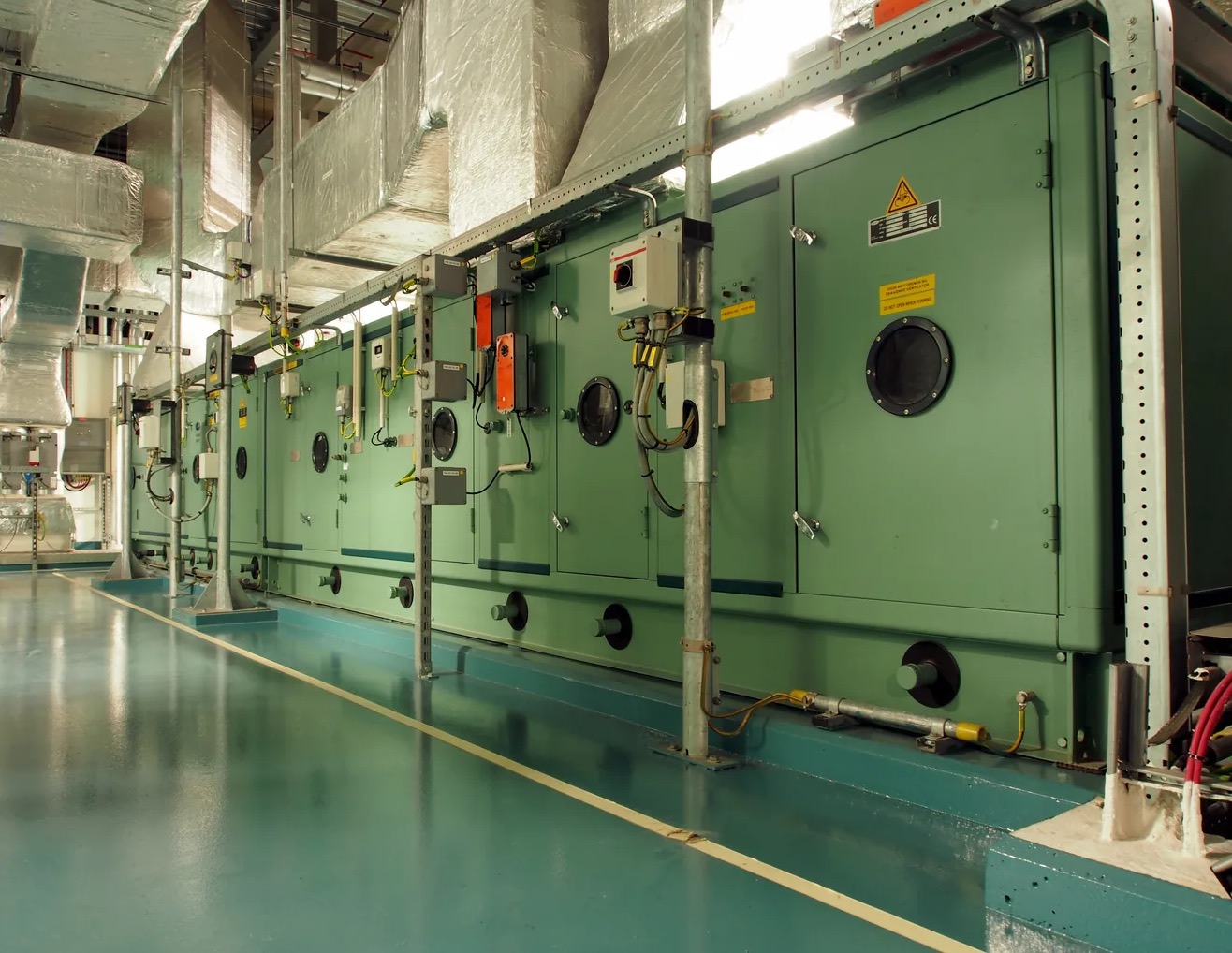
Professional AC Unit Water Removal in Vilano Beach, FL
In Vilano Beach, an AC that runs for months produces a steady flow of condensate. A blocked or disconnected drain line sends that flow into the house, where it soaks whatever sits below the unit.
In Vilano Beach, St. Augustine, St. Augustine Beach and St. Augustine South, long cooling seasons give algae plenty of time to clog drain lines. The pros remove the water, clear the line and dry ceilings, walls and flooring before the damage spreads further into framing, insulation and the rooms nearby.
Complete AC Unit Water Removal and Repair in Vilano Beach
AC Leak Mold Prevention
Surfaces that stayed damp, such as framing under the air handler, are treated after drying so leftover spores have less to feed on.
Wet AC Unit Component Drying
Damp insulation inside the cabinet holds water for a long time. It is dried in place or replaced if it stays wet.
AC Condensate Drain Clearing
A clogged condensate line is the most common reason an AC unit leaks. The pros flush out algae and sludge so condensate drains away again.
AC Leak Water Cleanup
Standing water around the indoor unit is pumped and vacuumed up first, before it wicks into drywall, baseboards or the subfloor.
AC Drain Pan Water Extraction
A soaked pan in an attic unit is a ceiling leak waiting to happen. Extracting it quickly protects the drywall underneath.
How to Know You Need AC Unit Water Removal in Vilano Beach
AC Drain Pan Overflow
Water at the rim of the drain pan, or in the secondary pan, means the condensate line is blocked.
High Indoor Humidity Levels
Rooms that feel clammy while the AC runs may mean water is not draining and is evaporating back into the air.
Visible Mold Near AC
Dark spots on drywall or framing near the unit mean the area has stayed wet for days.
Musty Odors From Vents
A musty smell when the AC starts often means standing water in the pan or wet insulation in the ducts.
How AC Unit Water Removal Works in Vilano Beach
Step 1: Emergency AC Water Removal
The unit is shut off and standing water is extracted from the drain pan, the floor and any carpet or pad it reached.
Step 2: AC Condensation Line Clearing
The drain line is flushed or vacuumed clear of algae and sludge, so condensate flows outside again.
Step 3: Wet AC Unit Component Drying
Air movers and a dehumidifier dry the cabinet interior and the walls, floor or ceiling around the unit.
Step 4: AC Leak Mold Prevention
Once readings show dry, wood and drywall that stayed wet can be treated with an antimicrobial.
Frequent Sources of AC Water Damage
Age and Component Wear
Older units have worn fittings, brittle seals and corroded pans that start leaking together.
Disconnected Drain Line
A drain line knocked loose in the attic or closet empties condensate onto the ceiling or floor.
Improper AC Unit Installation
A unit that is not level, or a drain line without enough slope, lets water pool instead of draining.
High Static Pressure in Ducts
Restricted ducts can pull water off the coil and blow it into the cabinet or ductwork.
Expert AC Unit Water Removal for Any Property in Vilano Beach
Residential AC Unit Water Removal
Attic air handlers in houses leak into bedroom and hallway ceilings. The pan is emptied, the ceiling checked with a meter and wet drywall dried or cut out before it sags.
Commercial AC Unit Water Removal
Commercial systems have larger pans and longer drain runs. Clearing the line and drying ceiling tiles and carpet keeps the space open and safe for staff and customers.
AC Unit Water Removal vs. DIY: When to Call the Pros
Pouring a cup of diluted vinegar into the drain line each season helps prevent algae clogs. Once water spreads past the unit into walls, ceilings or flooring, it is time to call local AC unit water removal pros for extraction and drying.
AC Unit Water Removal Cost in Vilano Beach, FL
After-hours calls, the number of rooms affected, the drying time and any drywall or ceiling repairs all change the total for AC unit water removal in Vilano Beach.
Preventative Treatment Scope
Antimicrobial treatment is an optional step, priced by the size of the area treated.
System Restoration Complexity
Replacing drywall, insulation or trim after drying adds material and labor to the total.
Documentation Needs
Detailed photos and moisture logs for an insurance claim add some time to the job.
Does Insurance Cover AC Unit Water Removal?
Insurers often ask whether the leak was sudden or ongoing. A record of when the water was found, what it reached and how it was dried helps answer that question.
The Value of Local Pros for AC Unit Water Removal in Vilano Beach
Clear Process Communication
Each step is explained before work starts, so you know what is being removed and why.
24/7 Emergency Response
Help is available any hour, which matters when an attic unit starts leaking into a ceiling at night.
Air Conditioner Restoration Focus
Drywall, trim and ceiling repairs can be handled after drying, so one job covers the whole leak.
24/7 Emergency AC Unit Water Removal Response in Vilano Beach
AC leaking into a ceiling or floor in Vilano Beach? Shut the unit off at the thermostat, move belongings out of the way and call (904) 526-8330. Help is available 24/7.
Call Now (904) 526-8330AC Unit Water Removal Service Area Including Vilano Beach
Each place listed below has its own page with local details.
- AC Unit Water Removal in St. Augustine
- AC Unit Water Removal in St. Augustine Beach
- AC Unit Water Removal in St. Augustine South
- AC Unit Water Removal in St. Augustine Shores
- AC Unit Water Removal in Butler Beach
- AC Unit Water Removal in Harrietts Bluff
- AC Unit Water Removal in Sanderson
- AC Unit Water Removal in Starke
Frequently Asked Questions About AC Unit Water Removal in Vilano Beach
What happens during AC water extraction?
Pumps and extractors remove water from the pan, floor and carpet, then moisture meters check walls and subfloor for hidden water.
Why document AC water damage?
Photos and moisture readings show what got wet and how it was dried, which helps your insurance claim.
Can an AC condensation leak damage the ceiling?
Yes. Attic units leak straight into the drywall below, causing stains, sagging and eventually collapse if left alone.
Why does the drain pan need to be emptied?
A full pan overflows into ceilings and floors. Emptying and inspecting it stops the spill and shows whether the pan is cracked.
Is air conditioner restoration separate from water removal?
Yes. Water removal and drying come first. Restoration covers repairs afterward, such as replacing drywall or ceiling panels.