St. Augustine, FL · Saint Johns County
AC Unit Water Removal in St. Augustine, FLAC Leak Water Cleanup & AC Leak Water Extraction
AC Unit Water Removal in St. Augustine runs from emergency AC water removal and AC leak water cleanup to air conditioner restoration services.
Answered 24/7
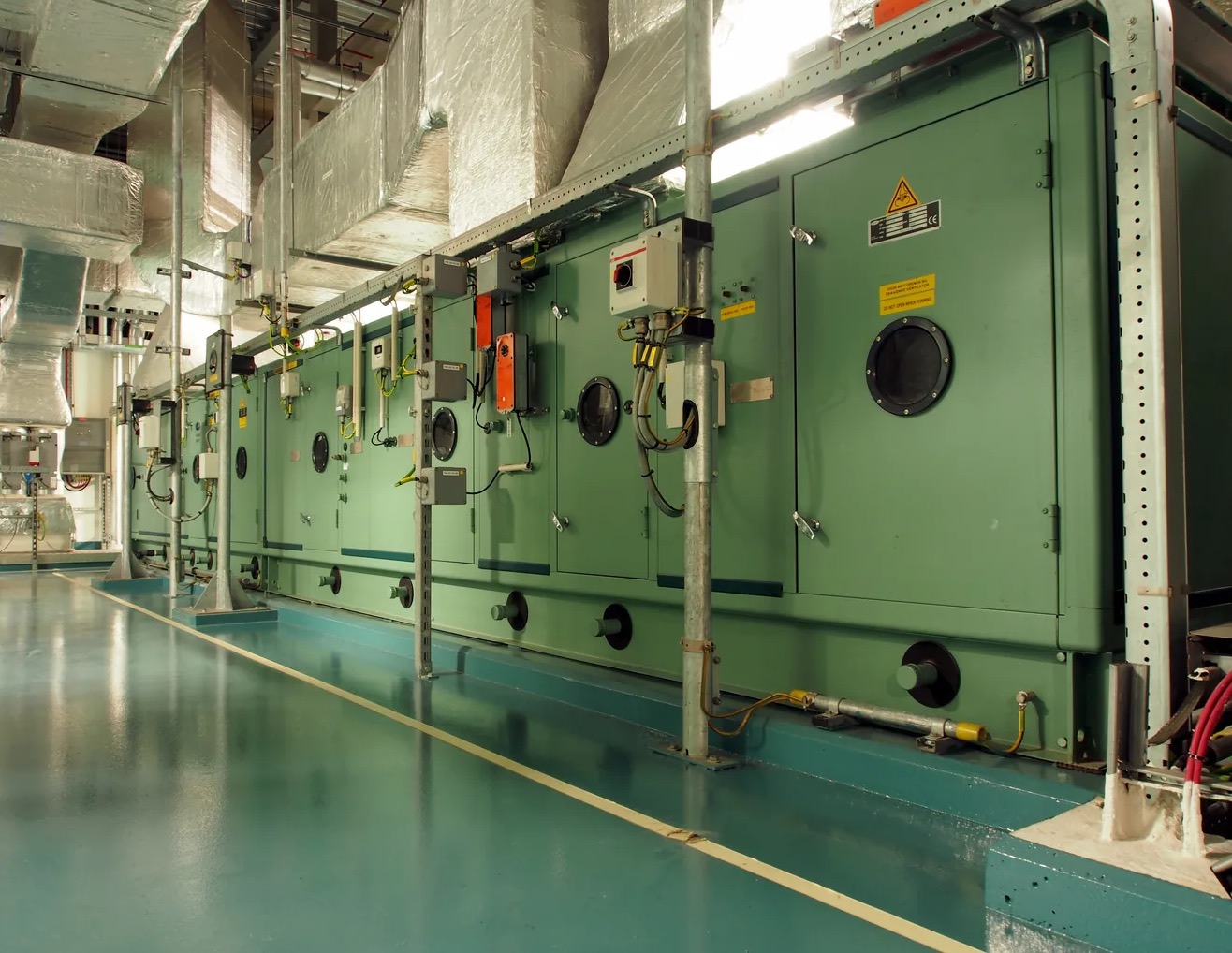
Trusted AC Unit Water Removal for St. Augustine Residents
When water drips from a ceiling vent or pools around the furnace closet in St. Augustine, the AC drain is the usual suspect. A clogged condensate line sends water back into the pan until it spills over.
In St. Augustine, AC leaks usually show up as ceiling stains under attic units, wet carpet near the furnace closet or water dripping from a vent. Help with AC unit water removal is available across St. Augustine and in Vilano Beach, St. Augustine South and St. Augustine Beach, day or night, with extraction, drain clearing and drying.
Complete AC Unit Water Removal and Repair in St. Augustine
AC Leak Water Cleanup
Standing water around the indoor unit is pumped and vacuumed up first, before it wicks into drywall, baseboards or the subfloor.
AC Leak Water Extraction
Water is removed from every wet surface the leak reached, including closets and rooms below an attic air handler.
AC Drain Pan Water Extraction
Both the primary pan and the secondary safety pan are emptied, and the pan is inspected for rust holes or cracks.
AC Condensate Drain Clearing
The PVC drain line is cleared with suction or a flush, and the trap is checked so water stops backing up into the pan.
Wet AC Unit Component Drying
Wet blower motors, panels and wiring are dried with gentle airflow and dehumidifiers rather than direct heat, which lowers the risk of corrosion and shorts.
How to Know You Need AC Unit Water Removal in St. Augustine
High Indoor Humidity Levels
Rooms that feel clammy while the AC runs may mean water is not draining and is evaporating back into the air.
Visible Mold Near AC
Dark spots on drywall or framing near the unit mean the area has stayed wet for days.
Unusual AC System Noises
Gurgling or dripping sounds from the unit can mean water is backing up in the drain line.
Water Stains on Walls
Brown rings or peeling paint on the ceiling under an attic unit, or on walls near the closet, point to a slow leak.
How AC Unit Water Removal Works in St. Augustine
Step 1: Emergency AC Water Removal
The unit is shut off and standing water is extracted from the drain pan, the floor and any carpet or pad it reached.
Step 2: AC Condensation Line Clearing
The drain line is flushed or vacuumed clear of algae and sludge, so condensate flows outside again.
Step 3: Wet AC Unit Component Drying
Air movers and a dehumidifier dry the cabinet interior and the walls, floor or ceiling around the unit.
Step 4: AC Leak Mold Prevention
Once readings show dry, wood and drywall that stayed wet can be treated with an antimicrobial.
Common Causes of AC Unit Water Damage in St. Augustine
Clogged AC Condensation Line
Algae and sludge build up in the drain line over a cooling season until water backs up into the pan.
Damaged AC Drain Pan
Metal pans rust through and plastic pans crack with age, letting water drip straight through.
High Static Pressure in Ducts
Restricted ducts can pull water off the coil and blow it into the cabinet or ductwork.
Age and Component Wear
Older units have worn fittings, brittle seals and corroded pans that start leaking together.
Expert AC Unit Water Removal for Any Property in St. Augustine
Residential AC Unit Water Removal
In a home, an AC leak usually hits a hallway ceiling, a closet floor or the carpet near the air handler. Water removal and drying start there, followed by drywall repair if needed.
Commercial AC Unit Water Removal
In offices and stores, a leaking rooftop or ceiling unit drips onto desks, stock and floors and creates slip hazards. Work can be scheduled around business hours where possible.
Professional AC Unit Water Removal or DIY Cleanup in St. Augustine
DIY works for a small puddle on tile that you catch right away and wipe dry. Wet carpet and pad, or drywall that feels soft, usually need professional extraction and drying equipment to dry fully.
What Affects AC Unit Water Removal Expense in St. Augustine
An attic unit that leaked all night costs more to fix than a closet leak caught the same day. In St. Augustine, calling early is the simplest way to keep the bill down.
Preventative Treatment Scope
Antimicrobial treatment is an optional step, priced by the size of the area treated.
Secondary Damage Presence
Wet ceilings, swollen baseboards or damp framing add removal and repair work to the job.
Emergency Service Timing
After-hours and holiday response can cost more than a scheduled weekday visit.
Does Insurance Cover AC Unit Water Removal?
Coverage for AC unit water removal varies from policy to policy. The pros document the damage and the drying, but your insurer decides what is covered and what is not, so ask early in the claim.
The Value of Local Pros for AC Unit Water Removal in St. Augustine
24/7 Emergency Response
Help is available any hour, which matters when an attic unit starts leaking into a ceiling at night.
Industry Drying Standards
Drying follows industry water damage standards, with moisture readings at each visit.
Clear Process Communication
Each step is explained before work starts, so you know what is being removed and why.
Round-the-Clock Emergency AC Unit Water Removal in St. Augustine
Water from an air handler spreads fast through drywall and carpet. Call (904) 526-8330 for emergency AC unit water removal in St. Augustine at any time of the day or night.
Call Now (904) 526-8330AC Unit Water Removal Available in St. Augustine and Surrounding Towns
Nearby areas served for AC unit water removal include Vilano Beach, St. Augustine South and St. Augustine Beach, with the same extraction and drying process used in St. Augustine.
- AC Unit Water Removal in Vilano Beach
- AC Unit Water Removal in St. Augustine South
- AC Unit Water Removal in St. Augustine Beach
- AC Unit Water Removal in St. Augustine Shores
- AC Unit Water Removal in Butler Beach
- AC Unit Water Removal in World Golf Village
- AC Unit Water Removal in Crescent Beach
- AC Unit Water Removal in Armstrong
- Emergency Damage Restoration in 32084
- Storm Damage Restoration in 32084
- Water Damage Restoration in 32084
- Water Extraction Service in 32084
- Water Leak Detection in 32084
- Water Removal Service in 32084
- Emergency Damage Restoration in 32085
- Storm Damage Restoration in 32085
AC Unit Water Removal FAQs
Is air conditioner restoration separate from water removal?
Yes. Water removal and drying come first. Restoration covers repairs afterward, such as replacing drywall or ceiling panels.
What happens during AC water extraction?
Pumps and extractors remove water from the pan, floor and carpet, then moisture meters check walls and subfloor for hidden water.
What does emergency AC water removal include?
Shutting off the unit, extracting standing water, clearing the drain and starting drying equipment, at any hour.
What equipment is used to dry AC leak damage?
Extractors, air movers, dehumidifiers and moisture meters, plus wet vacs or pumps for the drain line.
Why document AC water damage?
Photos and moisture readings show what got wet and how it was dried, which helps your insurance claim.