Grand Crossing, FL · Duval County
AC Unit Water Removal in Grand Crossing, FLAC Leak Water Cleanup & Emergency AC Water Removal
Get AC unit water removal in Grand Crossing: AC leak water extraction, wet AC unit component drying and air conditioner restoration services.
Answered 24/7
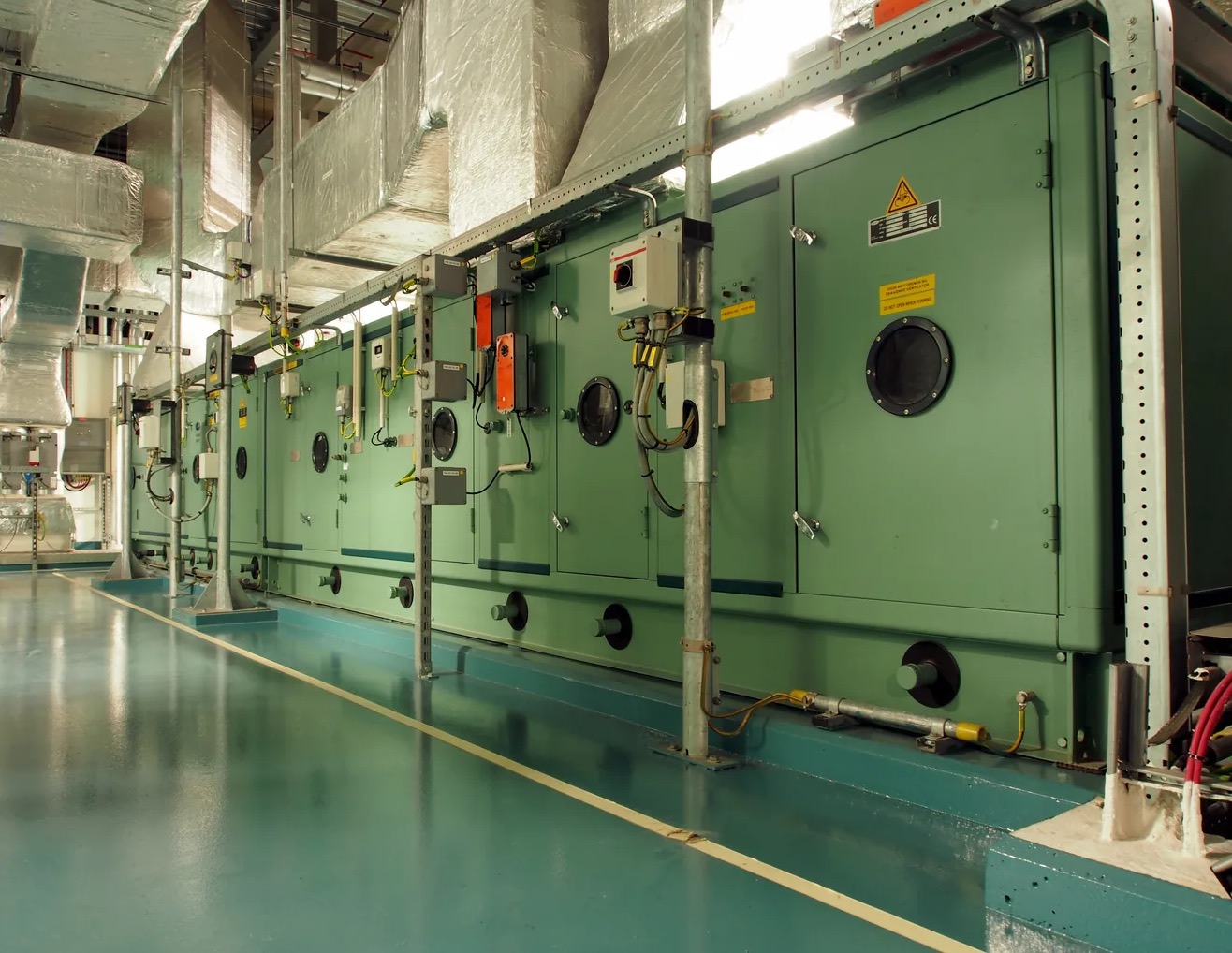
Professional AC Unit Water Removal in Grand Crossing, FL
When water drips from a ceiling vent or pools around the furnace closet in Grand Crossing, the AC drain is the usual suspect. A clogged condensate line sends water back into the pan until it spills over.
Homes in Grand Crossing and nearby Jacksonville, Nassau Village-Ratliff and Bellair-Meadowbrook Terrace run air conditioning for much of the year, so clogged condensate lines and full drain pans are common. Local AC unit water removal pros remove the water, clear the drain and dry the ceilings, walls and floors the leak reached.
Complete AC Unit Water Removal and Repair in Grand Crossing
AC Leak Water Cleanup
Water from an overflowing air handler is extracted from the floor, closet or mechanical room, then nearby walls are checked with a moisture meter.
Emergency AC Water Removal
Help is available day or night for leaks that start after hours, when water dripping from an attic unit cannot wait until morning.
AC Drain Pan Water Extraction
Water sitting in a full or cracked drain pan is removed before it spills over into the ceiling or walls below.
Air Conditioner Restoration Services
After drying, damaged drywall, trim or ceiling panels near the unit can be replaced and repainted.
Wet AC Unit Component Drying
Damp insulation inside the cabinet holds water for a long time. It is dried in place or replaced if it stays wet.
How to Know You Need AC Unit Water Removal in Grand Crossing
Wet AC Unit Components
Damp coils, a wet blower compartment or moisture around wiring inside the cabinet mean water is collecting where it should not.
AC Unit Circuit Breaker Trips
Water reaching electrical parts can trip the breaker. Shut the unit off and call before resetting it again.
Condensation Line Dripping
A condensate line that drips inside instead of outside has a crack, loose fitting or clog.
AC System Shuts Off
Many units have a float switch that shuts the system off when the pan fills. If the AC stops cooling, check the pan.
How AC Unit Water Removal Works in Grand Crossing
Step 1: Leak Assessment
The pros find the source of the leak, check how far the water spread and take moisture readings.
Step 2: Source Stop and Water Removal
The drain is cleared or the leaking part isolated, then standing water is extracted from every wet area.
Step 3: System Drying and Dehumidification
Drying equipment runs until walls, floors and insulation test dry, with readings taken at each visit.
Step 4: Verification and Restoration
Final readings confirm the materials are dry, then damaged drywall, trim or ceiling panels can be replaced.
Frequent Sources of AC Water Damage
Age and Component Wear
Older units have worn fittings, brittle seals and corroded pans that start leaking together.
Excess Outdoor Humidity
Very humid air makes the coil produce more water than a partly clogged drain can carry.
Improper AC Unit Installation
A unit that is not level, or a drain line without enough slope, lets water pool instead of draining.
Failed Condensate Pump
Units that pump condensate uphill depend on a small pump. When it fails, the reservoir overflows.
Both Residential & Commercial AC Unit Water Removal in Grand Crossing
Residential AC Unit Water Removal
Attic air handlers in houses leak into bedroom and hallway ceilings. The pan is emptied, the ceiling checked with a meter and wet drywall dried or cut out before it sags.
Commercial AC Unit Water Removal
Commercial systems have larger pans and longer drain runs. Clearing the line and drying ceiling tiles and carpet keeps the space open and safe for staff and customers.
Why DIY AC Water Removal Often Fails in Grand Crossing
You can turn off the AC, empty the pan and towel up a puddle yourself. Moisture already inside drywall or subflooring is harder, because it takes meters to find and drying equipment to remove it.
Factors Influencing AC Unit Water Removal Cost in Grand Crossing
In Grand Crossing, most of the cost comes from extraction, equipment days and any drywall or insulation that has to be replaced. A walk-through sets the scope before work starts.
Preventative Treatment Scope
Antimicrobial treatment is an optional step, priced by the size of the area treated.
Documentation Needs
Detailed photos and moisture logs for an insurance claim add some time to the job.
Required Drying Time
Dense materials and enclosed spaces take longer to dry, which means more equipment days.
Does Insurance Cover AC Unit Water Removal?
Take photos before cleanup starts and keep receipts for any emergency work, such as extraction done at night. Both help when you file a claim for AC water damage with your insurer.
Reasons to Select Local Pros in Grand Crossing for AC Unit Water Removal
Clear Process Communication
Each step is explained before work starts, so you know what is being removed and why.
Systematic Drain Line Clearing
The condensate line is cleared, not just the water mopped up, so the leak does not come right back.
Leak Source Identification
The pros trace the leak to its source, whether that is a clog, a cracked pan or a failed pump.
24/7 Emergency AC Unit Water Removal Response in Grand Crossing
Do not wait for a stained ceiling to start sagging under the weight of the water. Call (904) 526-8330 now for AC unit water removal in Grand Crossing and get the drying started.
Call Now (904) 526-8330AC Unit Water Removal Service Area Including Grand Crossing
Help with AC unit water removal is also available in communities near Grand Crossing, including Jacksonville, Nassau Village-Ratliff and Bellair-Meadowbrook Terrace, for leaking air handlers and overflowing drain pans.
- AC Unit Water Removal in Jacksonville
- AC Unit Water Removal in Nassau Village-Ratliff
- AC Unit Water Removal in Bellair-Meadowbrook Terrace
- AC Unit Water Removal in Orange Park
- AC Unit Water Removal in Oakleaf Plantation
- AC Unit Water Removal in Callahan
- AC Unit Water Removal in Baldwin
- AC Unit Water Removal in Lakeside
Your AC Unit Water Removal Questions Addressed
What is involved in AC unit water removal?
Standing water is extracted, the condensate line is cleared, and wet materials are dried with air movers and dehumidifiers until moisture readings are normal.
What does emergency AC water removal include?
Shutting off the unit, extracting standing water, clearing the drain and starting drying equipment, at any hour.
Can a wet AC unit be saved after a leak?
Often yes. Components are dried gently and checked, but an HVAC contractor should inspect electrical parts before the unit runs again.
Is air conditioner restoration separate from water removal?
Yes. Water removal and drying come first. Restoration covers repairs afterward, such as replacing drywall or ceiling panels.
What should I do while waiting for help with an AC leak?
Turn off the AC, place towels or a bucket under the drip, move belongings out of the way and take photos.