Franklintown, FL · Nassau County
AC Unit Water Removal in Franklintown, FLAC Leak Water Extraction & Air Conditioner Restoration Services
Get AC unit water removal in Franklintown: AC leak water extraction, wet AC unit component drying and air conditioner restoration services.
Answered 24/7
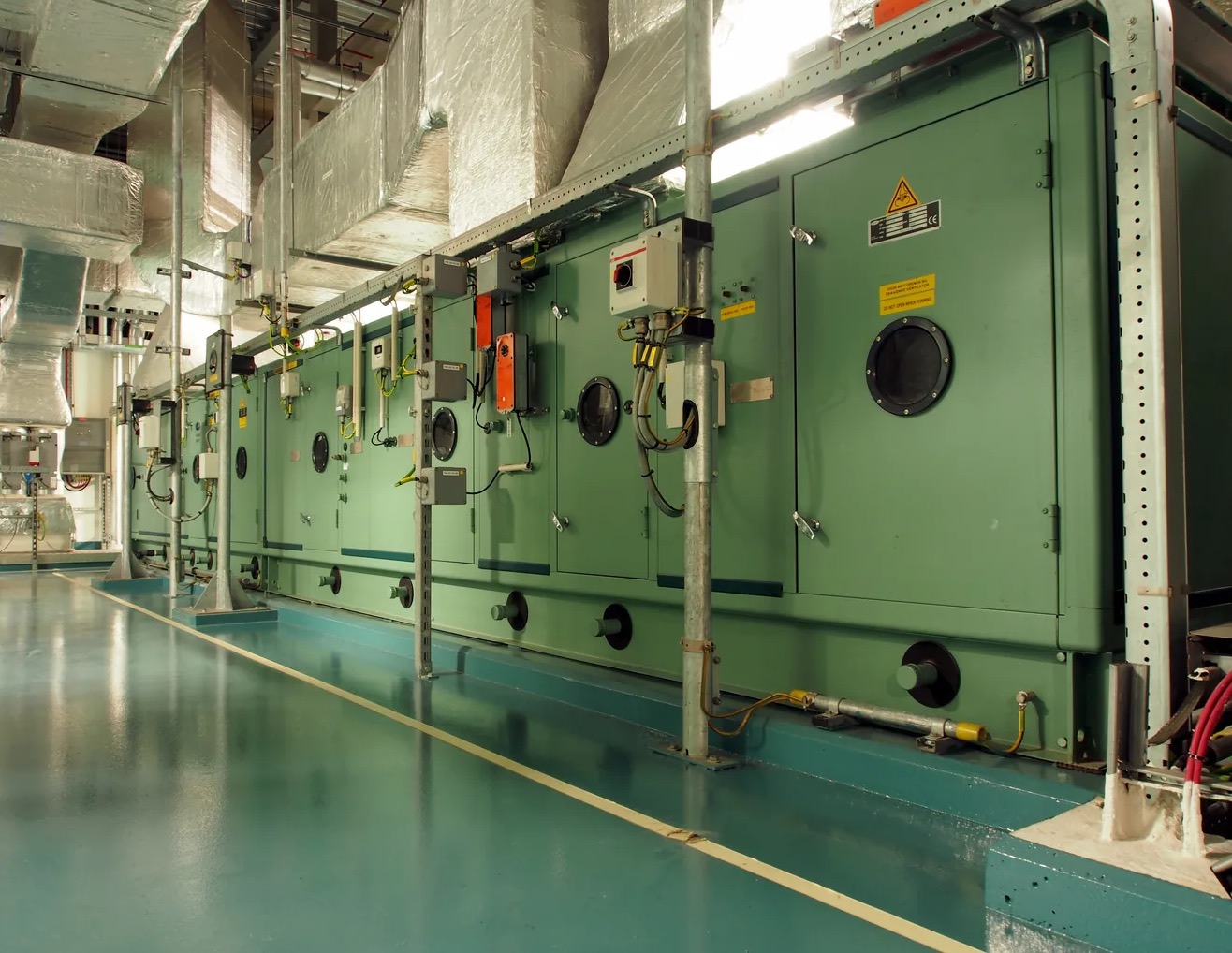
Trusted AC Unit Water Removal for Franklintown Residents
AC Unit Water Removal in Franklintown deals with leaks from air handlers, condensate lines and drain pans. Acting early keeps a minor drip from soaking the insulation, the wall framing and the ceiling directly below the unit.
Property owners in Franklintown can call (904) 526-8330 day or night when an air handler starts leaking. Service also covers Amelia City, Fernandina Beach and Yulee, with the same extraction, drain clearing and drying process for attic, closet and garage units in houses, condos and apartments.
Complete AC Unit Water Removal and Repair in Franklintown
AC Leak Water Extraction
Extraction is followed by drying with air movers and dehumidifiers, with daily readings to track progress.
Air Conditioner Restoration Services
Work finishes with cleanup and a check that the unit drains properly, so the leak does not return.
AC Drain Pan Water Extraction
A soaked pan in an attic unit is a ceiling leak waiting to happen. Extracting it quickly protects the drywall underneath.
AC Condensate Drain Clearing
Clearing the line stops the overflow at its source. Without it, the pan refills and the leak returns within days.
AC Leak Water Cleanup
Standing water around the indoor unit is pumped and vacuumed up first, before it wicks into drywall, baseboards or the subfloor.
When to Call for AC Unit Water Removal in Franklintown
Condensation Line Dripping
A condensate line that drips inside instead of outside has a crack, loose fitting or clog.
Water Stains on Walls
Brown rings or peeling paint on the ceiling under an attic unit, or on walls near the closet, point to a slow leak.
Unusual AC System Noises
Gurgling or dripping sounds from the unit can mean water is backing up in the drain line.
Reduced Cooling Efficiency
A clogged drain can trip a float switch or starve the coil of airflow, so the system runs longer and cools less.
How AC Unit Water Removal Works in Franklintown
Step 1: AC Leak Water Cleanup
Pooled water is removed from around the air handler and from any rooms or ceilings the leak reached.
Step 2: AC Drain Pan Water Extraction
The primary and secondary pans are emptied and checked for cracks, rust holes or a stuck float switch.
Step 3: Component and Structure Drying
Wet panels, framing and subfloor are dried with targeted airflow and dehumidifiers until readings are normal.
Step 4: Documentation and Prevention
Photos and readings are recorded for insurance, and simple drain upkeep tips are shared to prevent a repeat.
Frequent Sources of AC Water Damage
Clogged AC Condensation Line
Algae and sludge build up in the drain line over a cooling season until water backs up into the pan.
Improper AC Unit Installation
A unit that is not level, or a drain line without enough slope, lets water pool instead of draining.
Excess Outdoor Humidity
Very humid air makes the coil produce more water than a partly clogged drain can carry.
Disconnected Drain Line
A drain line knocked loose in the attic or closet empties condensate onto the ceiling or floor.
AC Unit Water Removal for Homes and Businesses in Franklintown
Residential AC Unit Water Removal
Attic air handlers in houses leak into bedroom and hallway ceilings. The pan is emptied, the ceiling checked with a meter and wet drywall dried or cut out before it sags.
Commercial AC Unit Water Removal
Commercial systems have larger pans and longer drain runs. Clearing the line and drying ceiling tiles and carpet keeps the space open and safe for staff and customers.
Professional AC Unit Water Removal or DIY Cleanup in Franklintown
Box fans move air across a wet surface, but they often leave water trapped in wall cavities and under flooring. Professional drying uses moisture readings to confirm the hidden areas behind walls and under floors are dry too.
What Affects AC Unit Water Removal Expense in Franklintown
Pricing for AC unit water removal in Franklintown is set after an inspection. The pros measure the wet area, check for hidden moisture and explain each item before starting.
Documentation Needs
Detailed photos and moisture logs for an insurance claim add some time to the job.
Secondary Damage Presence
Wet ceilings, swollen baseboards or damp framing add removal and repair work to the job.
System Restoration Complexity
Replacing drywall, insulation or trim after drying adds material and labor to the total.
Does Insurance Cover AC Unit Water Removal?
Photos, moisture readings and a written scope from local water damage pros help support an insurance claim for AC water damage in Franklintown. Keep copies of everything you send your adjuster, along with your own photos.
Advantages of Hiring Local Pros in Franklintown for AC Unit Water Removal
Air Conditioner Restoration Focus
Drywall, trim and ceiling repairs can be handled after drying, so one job covers the whole leak.
Systematic Drain Line Clearing
The condensate line is cleared, not just the water mopped up, so the leak does not come right back.
24/7 Emergency Response
Help is available any hour, which matters when an attic unit starts leaking into a ceiling at night.
Round-the-Clock Emergency AC Unit Water Removal in Franklintown
AC leaking into a ceiling or floor in Franklintown? Shut the unit off at the thermostat, move belongings out of the way and call (904) 526-8330. Help is available 24/7.
Call Now (904) 526-8330AC Unit Water Removal Service Area Including Franklintown
The places below are also served, and each one has its own page.
AC Unit Water Removal FAQs
What equipment is used to dry AC leak damage?
Extractors, air movers, dehumidifiers and moisture meters, plus wet vacs or pumps for the drain line.
What should I do while waiting for help with an AC leak?
Turn off the AC, place towels or a bucket under the drip, move belongings out of the way and take photos.
What is involved in AC unit water removal?
Standing water is extracted, the condensate line is cleared, and wet materials are dried with air movers and dehumidifiers until moisture readings are normal.
Why does the drain pan need to be emptied?
A full pan overflows into ceilings and floors. Emptying and inspecting it stops the spill and shows whether the pan is cracked.
Does homeowners insurance cover water damage from an HVAC unit?
Sudden leaks are often covered, but slow leaks and the unit itself usually are not. Check your policy.