Everett, GA · Glynn County
AC Unit Water Removal in Everett, GAWet AC Unit Component Drying & AC Leak Mold Prevention
AC Unit Water Removal in Everett covers AC leak water cleanup, AC condensate drain clearing and wet AC unit component drying.
Answered 24/7
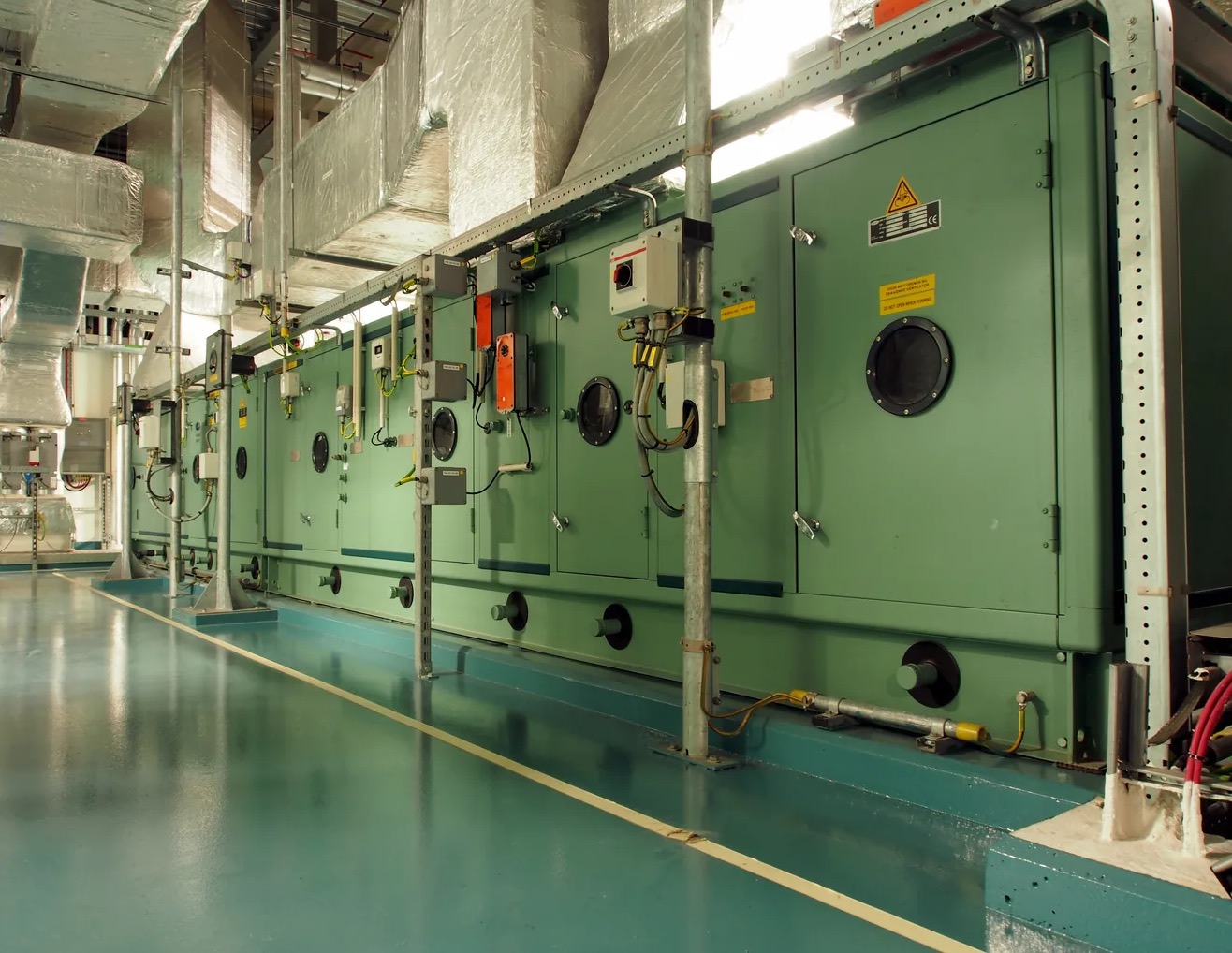
Local AC Unit Water Removal Services in Everett, Georgia
AC Unit Water Removal in Everett covers the whole leak, from removing standing water to drying wet materials and repairing drywall or trim afterward. Each step depends on how far the water traveled and how long it sat.
Property owners in Everett can call (904) 526-8330 day or night when an air handler starts leaking. Service also covers Dock Junction, Country Club Estates and Brunswick, with the same extraction, drain clearing and drying process for attic, closet and garage units in houses, condos and apartments.
The AC Unit Water Removal Process in Everett, GA
Wet AC Unit Component Drying
Damp insulation inside the cabinet holds water for a long time. It is dried in place or replaced if it stays wet.
AC Leak Mold Prevention
Once materials are dry, an EPA-registered antimicrobial can be applied to wet wood and drywall near the unit to slow microbial growth.
AC Drain Pan Water Extraction
Both the primary pan and the secondary safety pan are emptied, and the pan is inspected for rust holes or cracks.
AC Leak Water Cleanup
Water from an overflowing air handler is extracted from the floor, closet or mechanical room, then nearby walls are checked with a moisture meter.
AC Leak Water Extraction
Extraction is followed by drying with air movers and dehumidifiers, with daily readings to track progress.
Indicators for Emergency AC Unit Water Removal
AC System Shuts Off
Many units have a float switch that shuts the system off when the pan fills. If the AC stops cooling, check the pan.
Water on the Floor
A puddle around the air handler or furnace closet is the most direct sign of a leak.
Visible Mold Near AC
Dark spots on drywall or framing near the unit mean the area has stayed wet for days.
Unusual AC System Noises
Gurgling or dripping sounds from the unit can mean water is backing up in the drain line.
How AC Unit Water Removal Works in Everett
Step 1: AC Unit Flood Cleanup
Water is extracted to help limit further soaking of insulation, framing and the ceiling below.
Step 2: Drain Line Diagnosis and Clearing
The drain line is inspected for clogs, sags or loose fittings and cleared so water drains outside.
Step 3: Structural and Unit Drying
Air movers and dehumidifiers run around the unit, with daily moisture checks on walls and floors.
Step 4: System Check and Cleanup
The pan is cleaned, the drain is tested with water and the area is left dry.
Frequent Sources of AC Water Damage
Failed Condensate Pump
Units that pump condensate uphill depend on a small pump. When it fails, the reservoir overflows.
Damaged AC Drain Pan
Metal pans rust through and plastic pans crack with age, letting water drip straight through.
Excess Outdoor Humidity
Very humid air makes the coil produce more water than a partly clogged drain can carry.
Age and Component Wear
Older units have worn fittings, brittle seals and corroded pans that start leaking together.
Expert AC Unit Water Removal for Any Property in Everett
Residential AC Unit Water Removal
In apartments and condos, an AC leak can spread through the floor or ceiling to the unit below. Fast extraction limits the spread and the number of neighbors affected.
Commercial AC Unit Water Removal
In restaurants and retail spaces, water near equipment, wiring and walkways is removed first. That reduces slip and electrical hazards while the rest of the area dries.
Professional AC Unit Water Removal or DIY Cleanup in Everett
You can turn off the AC, empty the pan and towel up a puddle yourself. Moisture already inside drywall or subflooring is harder, because it takes meters to find and drying equipment to remove it.
What Affects AC Unit Water Removal Expense in Everett
Drying equipment is usually billed by the day, so how long materials stay wet matters. Starting quickly in Everett shortens drying time and lowers the total.
Affected Component Count
The more of the system that got wet, such as the blower, panels and insulation, the more drying time is needed.
Secondary Damage Presence
Wet ceilings, swollen baseboards or damp framing add removal and repair work to the job.
Documentation Needs
Detailed photos and moisture logs for an insurance claim add some time to the job.
Does Insurance Cover AC Unit Water Removal?
Take photos before cleanup starts and keep receipts for any emergency work, such as extraction done at night. Both help when you file a claim for AC water damage with your insurer.
The Value of Local Pros for AC Unit Water Removal in Everett
Detailed Moisture Documentation
Photos and moisture readings are recorded at each visit to support your insurance claim.
Preventative Microbial Treatment
Optional antimicrobial treatment can be applied to wood and drywall that stayed wet for days.
Focus on Component Preservation
Wet blower motors and wiring are dried gently to lower the risk of corrosion and electrical faults.
24/7 AC Unit Water Removal for Emergencies in Everett
If water is near wiring or the breaker keeps tripping, turn off power to the unit and stay clear of the wet area. Then call (904) 526-8330 for help in Everett.
Call Now (904) 526-8330AC Unit Water Removal Service Area Including Everett
Each place listed below has its own page with local details.
Common AC Unit Water Removal Questions Answered
What does emergency AC water removal include?
Shutting off the unit, extracting standing water, clearing the drain and starting drying equipment, at any hour.
What equipment is used to dry AC leak damage?
Extractors, air movers, dehumidifiers and moisture meters, plus wet vacs or pumps for the drain line.
What happens if I ignore a drain pan overflow?
The leak keeps wetting the same materials, which can lead to rot, ceiling damage and microbial growth.
What should I do while waiting for help with an AC leak?
Turn off the AC, place towels or a bucket under the drip, move belongings out of the way and take photos.
What clogs an AC condensate line?
Algae, sludge, dust and debris build up inside the line, especially over long cooling seasons, until water backs up into the pan.